CM Yogi Transfers Scholarships to 4.60 Lakh Students in Lucknow
Synopsis
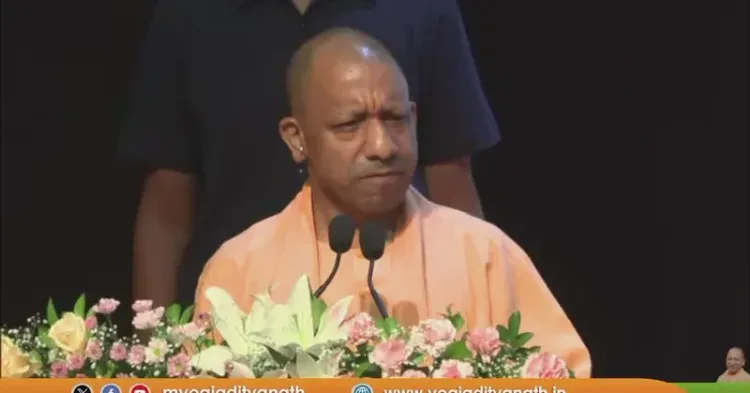
Uttar Pradesh CM Yogi Adityanath transferred scholarship and fee-reimbursement funds to over 4.60 lakh low-income students via direct bank transfer at a Lucknow programme on 3 October 2026, reinforcing the state's DBT-driven welfare push.
Key Takeaways
4.60 lakh-plus students from low-income families in Uttar Pradesh received scholarship or fee-reimbursement funds in a single disbursement event.
The transfer was made directly into student bank accounts via the direct benefit transfer (DBT) mechanism, bypassing intermediaries.
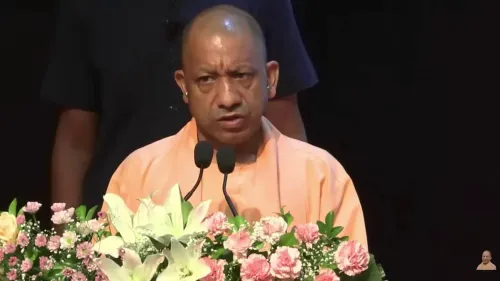
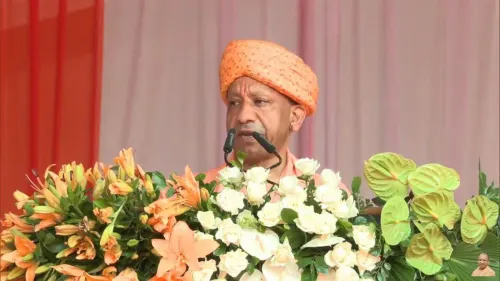
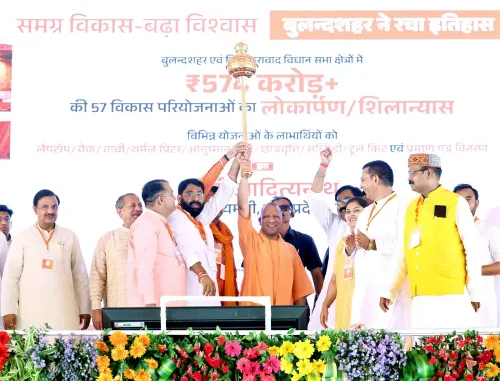
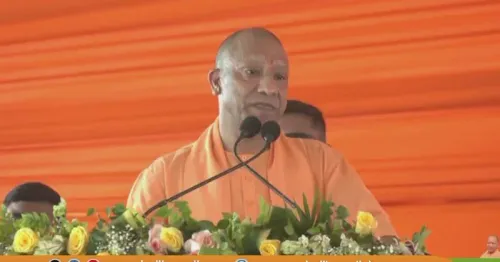
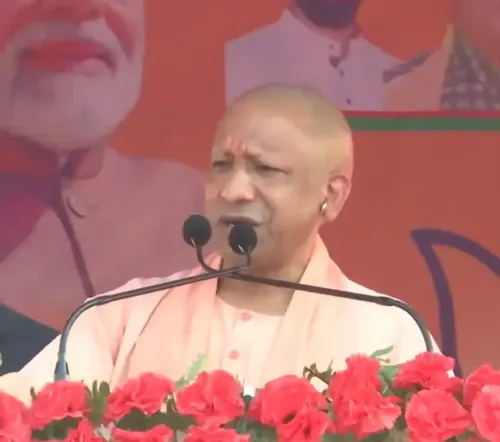
Chief Minister Yogi Adityanath presided over the programme held in Lucknow on 3 October 2026 .
The scheme covers students categorised under the low-income group ( alp aay varg ), spanning SC, OBC, and general poor categories.
Uttar Pradesh runs scholarship programmes through multiple state welfare departments, with funding from both state and central government sources.
Timely, large-scale disbursal addresses a longstanding concern about delayed scholarship payments in the state.
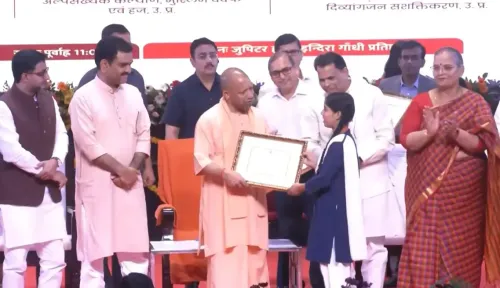
More than 4.60 lakh students from low-income families in Uttar Pradesh received scholarship and fee-reimbursement amounts directly into their bank accounts on Saturday, 3 October 2026 — as Uttar Pradesh Chief Minister Yogi Adityanath presided over a dedicated disbursement programme held in Lucknow.
Direct-benefit transfer for over 4.60 lakh low-income students
The event centred on the transfer of scholarship and fee-reimbursement funds — collectively described in CM Yogi's post as 'छात्रवृत्ति/शुल्क प्रतिपूर्ति' (scholarship/fee reimbursement) — straight into the bank accounts of beneficiaries classified under the low-income group (alp aay varg). Direct benefit transfer (DBT) mechanisms bypass intermediaries, reducing leakage and ensuring funds reach students without delay.
The scale — more than 4.60 lakh students covered in a single programme — signals a statewide push to widen access to higher education for economically vulnerable families across India's most populous state. Uttar Pradesh has historically had some of the largest scholarship rolls in the country, catering to students from Scheduled Castes, Other Backward Classes, and general low-income categories alike.
Lucknow programme as a platform for policy visibility
By holding a formal event in the state capital rather than executing a quiet administrative transfer, the Yogi government chose to make the disbursement a visible policy moment. Such gatherings typically allow beneficiaries or their representatives to be present, giving the programme both an administrative and a communicative function — underscoring the government's welfare credentials ahead of any future electoral cycle.
Scholarship and fee-reimbursement schemes in Uttar Pradesh are administered through the state's social welfare, backward class welfare, and minority welfare departments, with funds flowing from both state and central coffers. Timely disbursal has historically been a point of contention, making an on-schedule, large-scale transfer politically and practically significant.
What this means for students on the ground
For families earning in the lower income brackets, these transfers often cover tuition, examination fees, or hostel costs that would otherwise force students to drop out. The direct-to-bank model — rolled out more aggressively across Indian welfare programmes over the past decade — cuts processing time and reduces the risk of funds being siphoned at the institutional level.
With 4.60 lakh beneficiaries in a single tranche, the cumulative amount transferred is likely to run into hundreds of crores of rupees, though CM Yogi's post did not specify the exact figure. That number, once officially confirmed, will sharpen the picture of the programme's fiscal footprint.
For Uttar Pradesh's students, the money is in the account. The question now is whether the pace holds — and whether every eligible student in a state of 240 million has been reached.
Point of View
So a credible large-scale on-time transfer carries genuine policy weight beyond optics. The 4.60 lakh figure also signals the sheer scale of educational vulnerability in India's most populous state, reinforcing the case for sustained, systemic investment rather than episodic disbursals. Analysts watching UP's welfare architecture will note whether this becomes a quarterly rhythm or a one-off event timed to the political calendar.
NationPress
3 Oct 2026
Frequently Asked Questions
Who received scholarships at the Lucknow event on 3 October 2026?
More than 4.60 lakh students from low-income families across Uttar Pradesh received scholarship and fee-reimbursement funds directly in their bank accounts at an event in Lucknow presided over by CM Yogi Adityanath.
What is the UP scholarship and fee-reimbursement scheme?
Uttar Pradesh runs scholarship and fee-reimbursement programmes through its social welfare, backward class welfare, and minority welfare departments for students from Scheduled Castes, Other Backward Classes, and general low-income groups. Funds come from both state and central government sources.
How are UP scholarship funds transferred to students?
Scholarship funds are transferred directly into student bank accounts through the direct benefit transfer (DBT) system, which bypasses intermediaries to reduce leakage and processing delays.
Why is direct benefit transfer important for UP scholarship students?
DBT ensures that scholarship amounts reach students without being diverted at the institutional level, addressing a longstanding problem of delayed or incomplete disbursal that has historically forced some low-income students to drop out of education.
What is the significance of 4.60 lakh students in one scholarship tranche?
Covering over 4.60 lakh students in a single event highlights the large scale of educational need among low-income families in Uttar Pradesh, India's most populous state, and signals a statewide effort to widen access to higher education in one go.