CM Yogi Transfers ₹148 Cr Scholarship to 4.6 Lakh UP Students
Synopsis
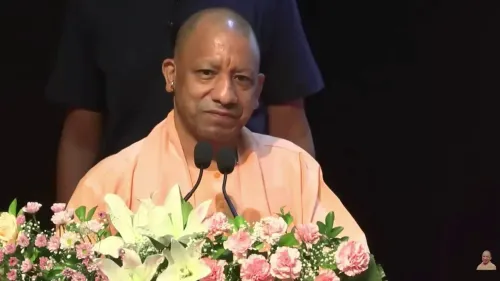
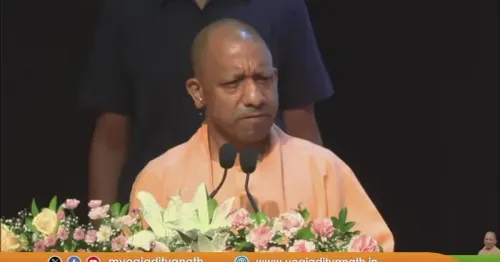
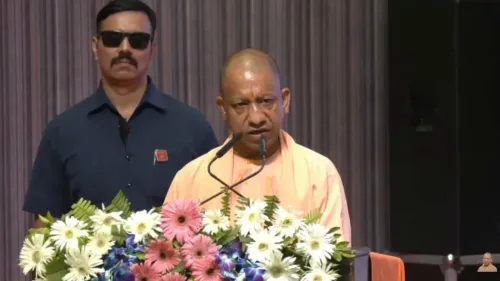
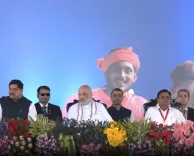
Uttar Pradesh CM Yogi Adityanath on 3 October 2026 transferred ₹148 crore in scholarships and fee reimbursements directly to bank accounts of 4.60 lakh pre-matric and post-matric students from low-income families at a Lucknow event.
Key Takeaways
₹148 crore transferred directly into bank accounts of 4.60 lakh+ low-income students in Uttar Pradesh on 3 October 2026 .
Beneficiaries include students in Classes 9–10 (pre-matric) and post-matric (degree/diploma) programmes.
Funds cover both scholarship amounts and fee reimbursements , removing dual financial barriers to schooling.
Transfer was done via Direct Benefit Transfer (DBT) directly into individual student bank accounts.
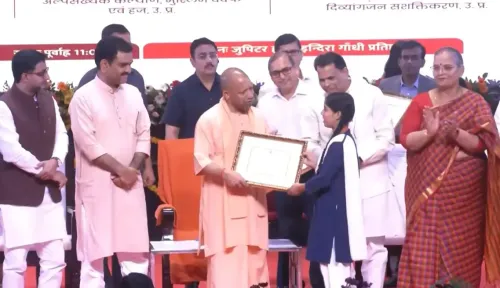
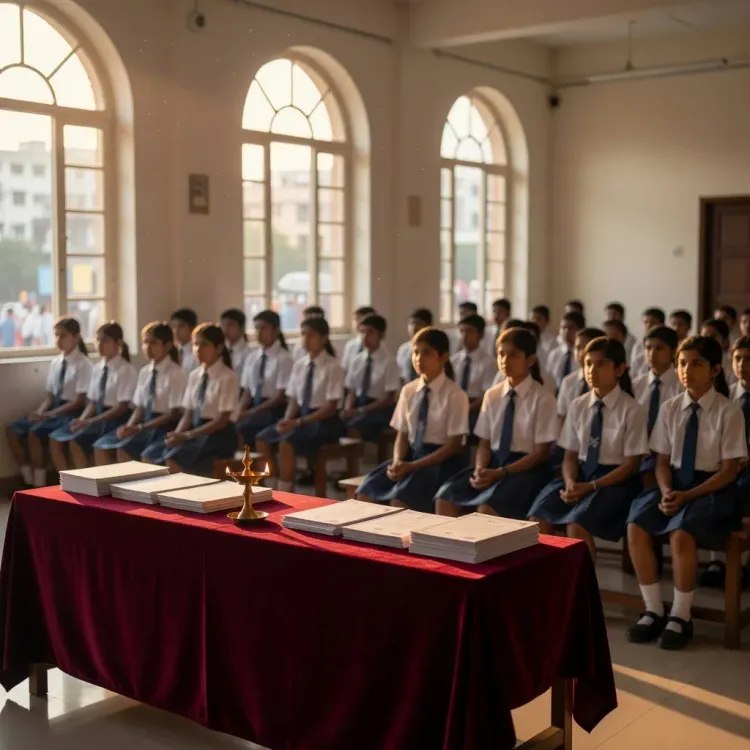
Meritorious students were also felicitated with merit certificates at the Lucknow event.
CM Yogi framed the initiative under the 'double-engine government' model of aligned state-centre welfare delivery.
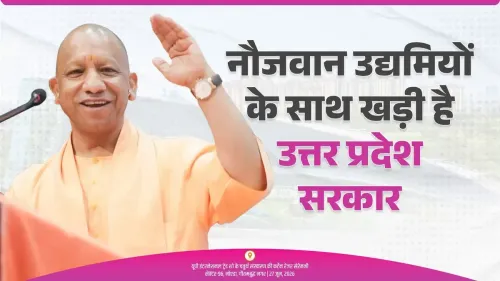
Over 4.60 lakh students from low-income families in Uttar Pradesh woke up on Saturday, 3 October 2026, to a direct scholarship credit — no middlemen, no delays. Uttar Pradesh Chief Minister Yogi Adityanath personally oversaw the transfer of ₹148 crore in scholarship and fee-reimbursement funds at an event in Lucknow, covering students enrolled in pre-matric (Classes 9–10) and post-matric courses.
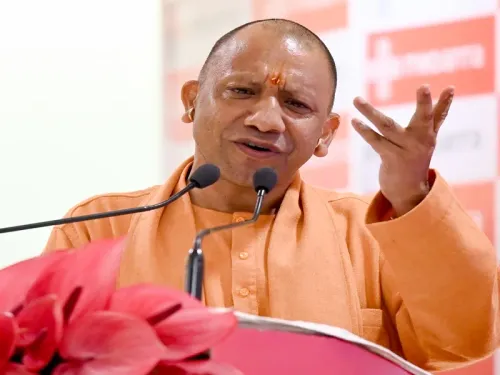
Posting on X, CM Yogi Adityanath wrote: 'No student should be deprived of school education due to lack of funds. Every student should get an equal opportunity to receive education and move forward — the double-engine government is working with full commitment to ensure this.' The event also honoured meritorious students with certificates of excellence.
Who the ₹148 crore reaches — and how
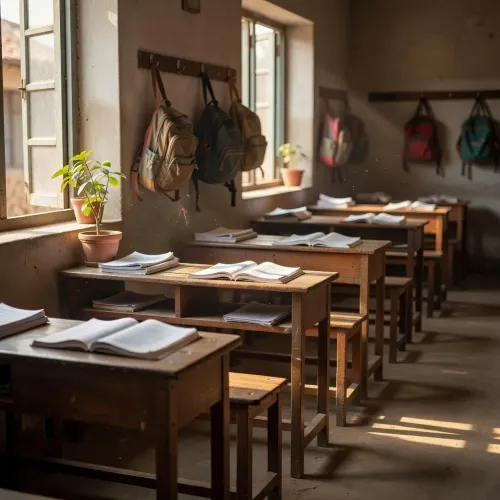
The beneficiaries are students from the alp aay varg — economically weaker sections — studying in Classes 9 and 10 (pre-matric) and in degree or diploma programmes (post-matric). The funds were transferred directly into individual bank accounts, bypassing institutional intermediaries. The twin components — scholarship amounts and fee reimbursements — together ensure that neither the cost of tuition nor incidental fees becomes a dropout trigger.
The 'double-engine' framing and what it signals
CM Yogi's invocation of the 'double-engine government' — a BJP shorthand for aligned state and central administrations — signals that the scholarship pipeline draws on both UP state funds and central government schemes. Direct Benefit Transfer (DBT) has been the preferred delivery mechanism for welfare schemes across India for over a decade, and Uttar Pradesh — the country's most populous state — has made large-scale DBT scholarship disbursals a recurring feature of its education welfare calendar.
Certificates for the meritorious, cash for the needy
Beyond the financial transfer, the Lucknow event had a second track: talented students were felicitated with merit certificates on the same stage. The pairing is deliberate — recognising achievement alongside removing financial barriers sends a unified message that the state is invested in both access and excellence. CM Yogi concluded with congratulations to all beneficiary students and wishes for a 'bright future.'
For hundreds of thousands of families on the economic margins of India's largest state, a direct credit of scholarship money is not a policy statistic — it is the difference between a child staying in school and dropping out. The next test is whether the pipeline holds, and whether every one of the 4.60 lakh credited accounts belongs to a student still enrolled.
Point of View
Headline-friendly DBT transfers that are easy to verify and credit to the ruling dispensation's 'double-engine' narrative. For Uttar Pradesh — where school dropout rates among economically weaker sections remain a persistent challenge — direct fee reimbursement is genuinely impactful policy, not just optics. The pairing of financial transfer with merit recognition on the same platform also reflects a strategic effort to reframe welfare spending as investment in aspiration rather than relief. Whether disbursement data is independently audited and whether all credited students are verified enrolees will determine how much of the ₹148 crore translates into actual retention.
NationPress
3 Oct 2026
Frequently Asked Questions
How much scholarship money did CM Yogi transfer in Lucknow on 3 October 2026?
CM Yogi Adityanath transferred ₹148 crore in scholarship and fee reimbursement funds to over 4.60 lakh students at an event in Lucknow on 3 October 2026.
Who are the beneficiaries of the UP scholarship transferred by CM Yogi?
The beneficiaries are students from low-income (alp aay varg) families enrolled in pre-matric classes (Classes 9–10) and post-matric courses such as degrees and diplomas in Uttar Pradesh.
How is the UP scholarship money sent to students?
The funds are transferred directly into individual student bank accounts via Direct Benefit Transfer (DBT), bypassing institutional intermediaries.
What is the 'double-engine government' CM Yogi referred to?
The 'double-engine government' is a BJP term referring to the BJP being in power at both the Uttar Pradesh state level and the Central government, allowing coordinated welfare delivery through shared schemes and funds.
Did CM Yogi's Lucknow event only involve scholarship transfers?
No. Besides the ₹148 crore DBT transfer, meritorious students were also felicitated with merit certificates at the same event in Lucknow.