CM Yogi Unveils Jhalkari Bai Statue, Opens Wax Museum in Ayodhya
Synopsis
Uttar Pradesh Chief Minister Yogi Adityanath on June 19, 2026, announced a multi-event programme in Ayodhya combining the unveiling of a Jhalkari Bai statue, participation in a Jain Panchakalyanak festival, a saint-community gathering, and the inauguration of the Ramayana Wax Museum alongside several infrastructure projects.
Key Takeaways
CM Yogi Adityanath presided over multiple events in Ayodhya on June 19, 2026 , combining cultural, religious, and developmental themes.
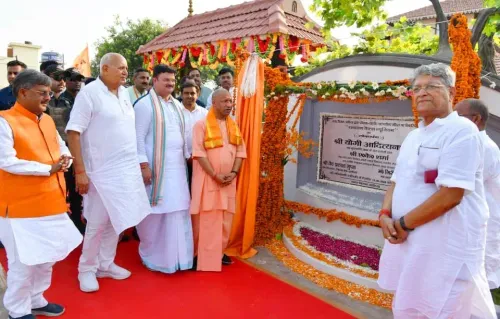
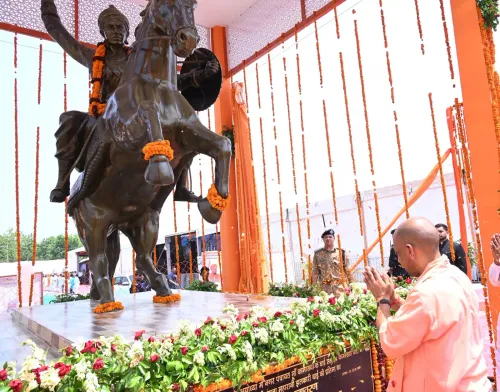
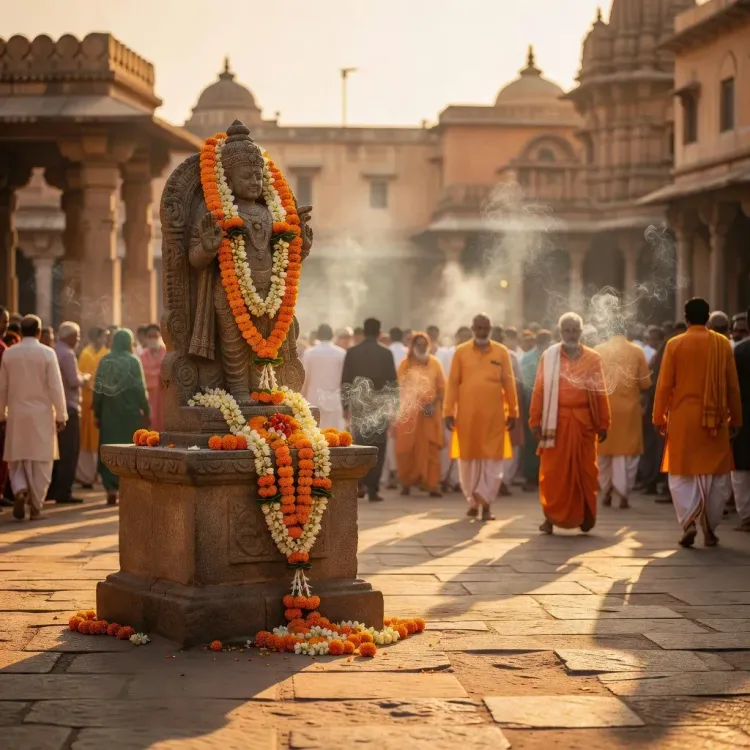
A statue of Veerangana Jhalkari Bai , a Koli-community warrior of the 1857 revolt , was unveiled during the visit.
The Ramayana Wax Museum was inaugurated as part of the state's religious tourism expansion in Ayodhya.
CM Yogi participated in the Bhagwan Munisuvratnath Panchakalyanak Pratishtha Mahotsav , extending the state's outreach to the Jain community.
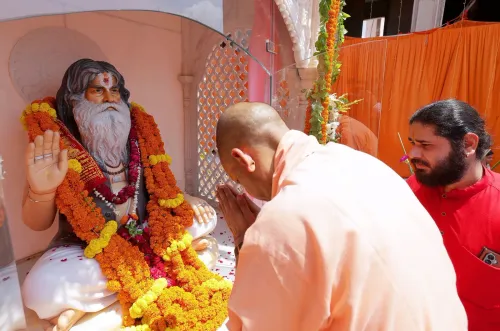
The birth anniversary of Mahant Nritya Gopal Das Ji Maharaj , a key figure in the Ram Mandir movement, was also observed.
Foundation-laying ceremonies for additional development projects were held, continuing the state's virasaat aur vikas (heritage and development) agenda in Ayodhya.
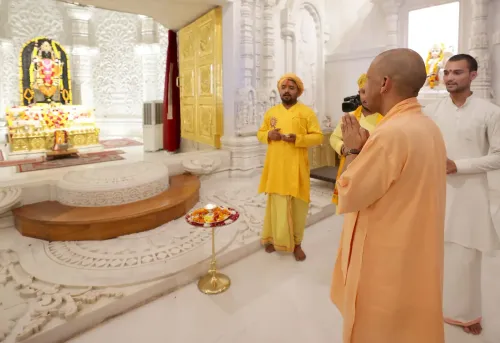
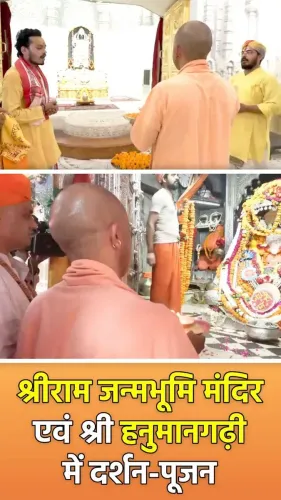
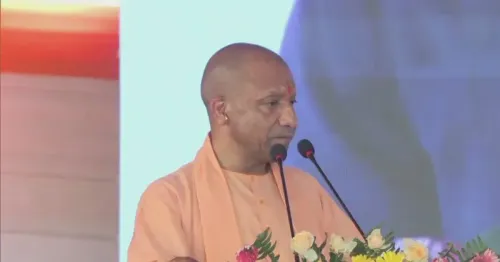
Uttar Pradesh Chief Minister Yogi Adityanath on Friday, June 19, 2026, announced a packed programme of cultural, religious, and developmental events in Ayodhya, describing the day as one where 'faith, culture, the saint tradition, and development will all manifest together on the sacred soil of Lord Ram's beloved city.'
Context
The Chief Minister outlined three distinct but thematically linked events for the day. First, the unveiling of a statue of Veerangana Jhalkari Bai, the 19th-century warrior from the Koli community who fought alongside Rani Lakshmibai of Jhansi during the 1857 revolt. Second, participation in the Bhagwan Munisuvratnath Panchakalyanak Pratishtha Mahotsav — a major Jain consecration festival marking five auspicious life events of the Twentieth Tirthankara. Third, a gathering with the saint community on the occasion of the birth anniversary of Mahant Nritya Gopal Das Ji Maharaj, long-time president of the Shri Ram Janmabhoomi Nyas and a central figure in the Ram Mandir movement.
The post also announced the inauguration and foundation-laying of the Ramayana Wax Museum and several other development projects, framing them as giving 'new expression to the resolve of heritage and development.'
Policy Backdrop
The events fit squarely within the Uttar Pradesh government's post-2017 strategy of pairing large-scale religious tourism infrastructure with cultural commemorations. Ayodhya has served as the flagship of this model, which has also been applied in Kashi and Mathura. The approach bundles statue unveilings, temple festivals, and museum projects under a single civilisational-revival narrative.
The Ram Mandir in Ayodhya was consecrated in January 2024 following the Supreme Court's 2019 verdict and the 2020 bhoomi pujan. Since then, the state has pursued a broader corridor and city-infrastructure redevelopment plan that includes the Ayodhya airport, upgraded rail connectivity, and riverfront development along the Saryu.
The Ramayana Wax Museum is part of the state's tourism and heritage push, designed to present episodes from the Ramayana through wax figures to domestic and international visitors.
Stakeholders and Impact
The day's programme touches several distinct communities simultaneously. The Jhalkari Bai statue unveiling carries social significance for the Koli community and signals the government's effort to honour figures from marginalised historical backgrounds alongside mainstream icons. The Jain Panchakalyanak festival broadens the state's outreach to the Jain saint and business community, reflecting Ayodhya's positioning as a multi-faith heritage destination.
For Ayodhya residents and religious tourists, the inauguration of new development projects signals continued state investment in the city's infrastructure. The 'विरासत और विकास' (heritage and development) formulation used by the Chief Minister has become a recurring rhetorical anchor for the state government's Ayodhya narrative.
What's Next
Attention will turn to completion timelines for the remaining infrastructure projects in Ayodhya, including the airport expansion and road upgrades, as well as any announcements tied to the state budget for 2026-27 regarding further religious tourism circuits. The Ramayana Wax Museum's formal opening is expected to add a new cultural attraction to the city's growing pilgrimage economy, with visitor numbers and tourism revenue figures likely to be cited by the state government in the months ahead.
Point of View
Religious pluralism, and infrastructure delivery into a single high-visibility event. By honouring Jhalkari Bai — a Koli-community icon — alongside Jain and Hindu saint communities, the Chief Minister signals a broad coalition-building intent ahead of any electoral cycle. The virasaat aur vikas (heritage and development) framing has become the state's dominant political grammar, and Ayodhya remains its most potent stage. The pace of inaugurations also serves as a counter-narrative to criticism over project delays.
NationPress
18 Sept 2026
Frequently Asked Questions
What events did CM Yogi attend in Ayodhya on June 19 2026?
CM Yogi Adityanath participated in the unveiling of a statue of Veerangana Jhalkari Bai, the Bhagwan Munisuvratnath Panchakalyanak Pratishtha Mahotsav, the birth anniversary celebrations of Mahant Nritya Gopal Das Ji Maharaj, and the inauguration of the Ramayana Wax Museum along with other development projects in Ayodhya.
Who was Jhalkari Bai and why is her statue being unveiled in Ayodhya?
Jhalkari Bai was a 19th-century warrior from the Koli community who fought alongside Rani Lakshmibai of Jhansi during the 1857 revolt. Her statue was unveiled in Ayodhya as part of the Uttar Pradesh government's effort to honour historically significant figures from marginalised communities.
What is the Ramayana Wax Museum in Ayodhya?
The Ramayana Wax Museum is a cultural tourism project in Ayodhya that presents episodes from the Ramayana through wax figures. It is part of the state government's broader heritage and religious tourism development drive centred on Ayodhya.
Who is Mahant Nritya Gopal Das Ji Maharaj?
Mahant Nritya Gopal Das Ji Maharaj is the head of Hanuman Garhi temple in Ayodhya and served as a long-time president of the Shri Ram Janmabhoomi Nyas, making him a central figure in the decades-long Ram Mandir movement.
What is the Panchakalyanak Mahotsav celebrated in Ayodhya?
The Panchakalyanak Pratishtha Mahotsav is a major Jain festival commemorating five auspicious life events of a Tirthankara. The Ayodhya event honoured Bhagwan Munisuvratnath, the Twentieth Tirthankara in Jain tradition.