CM Yogi: UP factories doubled, startups hit 25,000+
Synopsis
Chief Minister Yogi Adityanath says UP's factories have more than doubled to 35,000+, MSMEs have reached 1 crore, and startups have exploded from 120 to 25,000+ since 2017, with the state now targeting GCC investment.
Key Takeaways
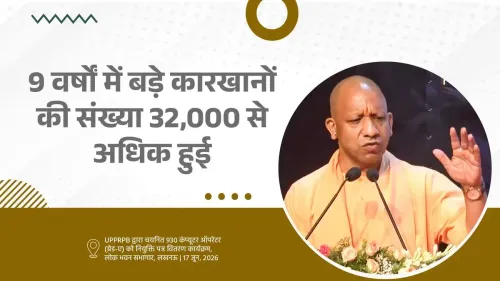
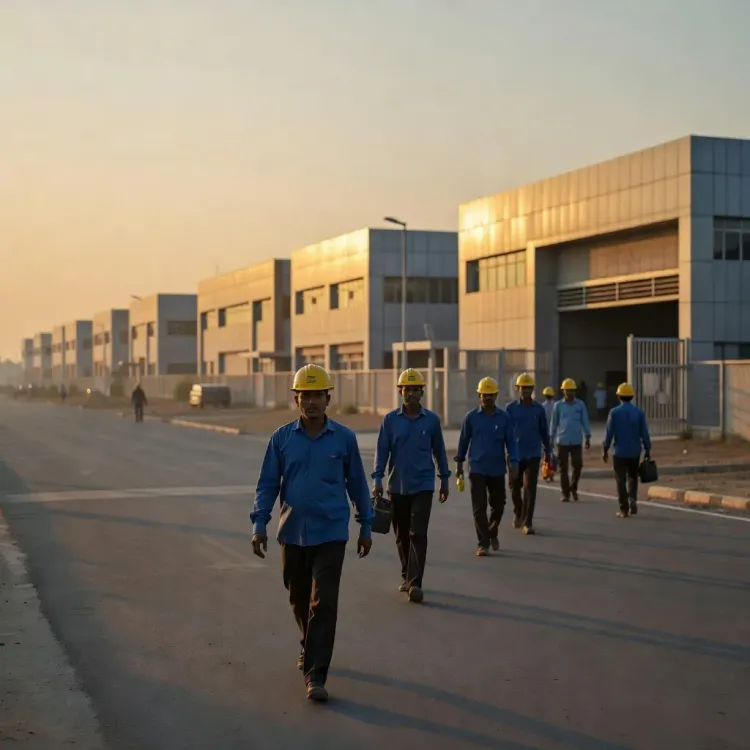
UP's factory count has grown from 14,000 to over 35,000 , according to CM Yogi Adityanath's statement on 12 November 2026.
MSME units in the state have reached 1 crore (10 million) , underpinning employment across tier-2 and tier-3 towns.
Startups have surged from 120 to more than 25,000 , driven by the UP Startup Policy 2018 and associated incubation support.
Uttar Pradesh is positioning itself as a Global Capability Centre (GCC) hub , directly competing with Bengaluru, Hyderabad, and Gurugram.
The growth trajectory is anchored in the UP Industrial Investment and Employment Promotion Policy 2017 , which introduced single-window clearance and land-bank creation.
Key metrics to watch: active unit counts, employment realisation, and GCC incentive details at the next Global Investors Summit .
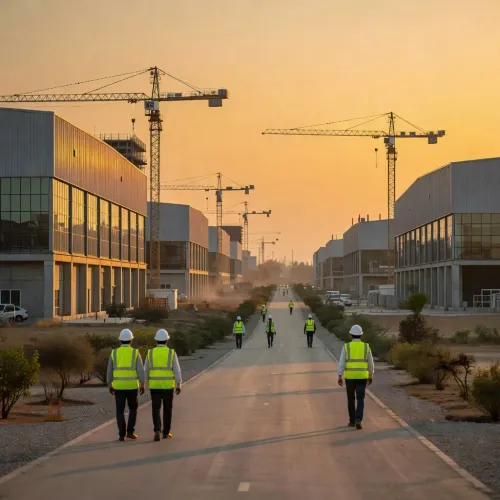
Uttar Pradesh has quietly rewritten its industrial identity — and the numbers that Chief Minister Yogi Adityanath cited on Thursday, 12 November 2026 make that hard to dismiss. Factories have crossed 35,000, startups have leapt from a standing start of 120 to more than 25,000, and the state is now openly positioning itself as India's next destination for Global Capability Centres (GCCs) — the high-value offshore hubs that multinationals once built exclusively in Bengaluru, Hyderabad, and the National Capital Region.
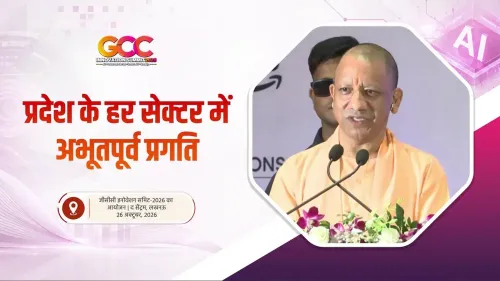
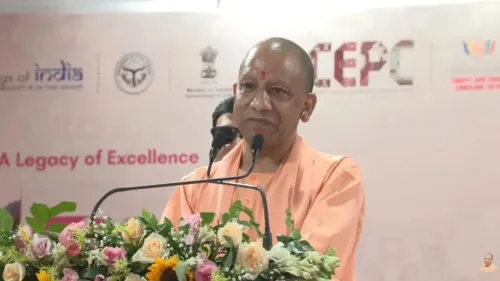
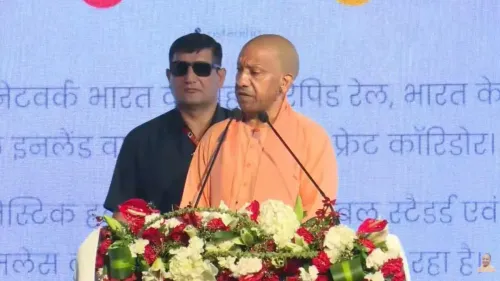
The Chief Minister's Office posted the figures, attributing them directly to Yogi Adityanath: 'आज प्रदेश में फैक्ट्रियों की संख्या 14,000 से बढ़कर 35,000 से अधिक हो चुकी है' — 'Today the number of factories in the state has grown from 14,000 to more than 35,000.' MSME units, he said, have reached 1 crore (10 million), and startups have surged from 120 to over 25,000.From 120 startups to 25,000 — how UP's policy pipeline drove the surge
The jump did not happen in a vacuum. The Uttar Pradesh Startup Policy of 2018 introduced incubation support and financial incentives at a time when the state barely registered on the national startup map. Combined with the broader Uttar Pradesh Industrial Investment and Employment Promotion Policy of 2017 — which pushed single-window clearance, land-bank creation, and sector-specific incentives — the state systematically lowered the cost of doing business. The result, if the figures hold, is one of the steepest startup growth curves any Indian state has posted in a comparable window.
The MSME count reaching 1 crore is the quieter but arguably weightier milestone. MSMEs are the backbone of employment in a state of roughly 240 million people, and scaling to that number signals that formal enterprise creation has reached deep into tier-2 and tier-3 towns — not just Lucknow and Noida.
The GCC play — UP takes aim at Bengaluru's turf
The most consequential signal in the post is the word 'GCC.' Global Capability Centres — back-office and technology delivery arms of multinationals — are a roughly $46-billion-a-year industry in India and have historically clustered in Bengaluru, Hyderabad, Pune, and Gurugram. UP's bid to enter that league puts real estate, talent supply, and connectivity infrastructure squarely in the frame. The state's proximity to Delhi NCR, the expansion of the Noida and Greater Noida corridor, and the operationalisation of the Jewar International Airport provide the logistical scaffolding that GCC clients actually evaluate before signing leases.
It also puts Uttar Pradesh in direct competition with Gujarat, Tamil Nadu, and Karnataka — states that have aggressively courted the same wave of post-pandemic GCC expansion. The race for that investment is essentially a race for white-collar employment at scale, and UP is now publicly in it.
The numbers to watch before the next investors' summit
The figures cited — factories, MSMEs, startups — are government-claimed benchmarks, and the standard scrutiny applies: how many of those units are operationally active, what is the employment intensity, and what share of investment commitments have been physically realised on the ground? Those questions will inevitably surface at the state's next Global Investors Summit, where the GCC incentive architecture is expected to be fleshed out further. For now, the data points serve as the administration's most consolidated public statement of the industrial transformation it argues has taken place since 2017.
Nine years on from a policy reset that most observers treated with scepticism, Uttar Pradesh is no longer asking to be taken seriously as an industrial destination. It is presenting the receipts — and daring rivals to match them.
Point of View
MSMEs, startups, and GCCs — collectively frame a narrative of structural economic transformation rather than incremental improvement, a signal that the UP administration is building a pre-election industrial scorecard. The GCC ambition is the sharpest departure from the state's historical profile: it represents a deliberate push into high-skill, high-wage services that could diversify UP's employment base beyond agriculture and low-margin manufacturing. However, claimed unit counts and realised economic impact are rarely identical, and the credibility of these figures will ultimately rest on independent verification of active operations and employment generation. If even a fraction of the GCC momentum materialises, it would meaningfully shift UP's position in India's inter-state investment competition.
NationPress
12 Nov 2026
Frequently Asked Questions
How many factories are there in Uttar Pradesh in 2026?
According to Chief Minister Yogi Adityanath, the number of factories in Uttar Pradesh has grown from 14,000 to more than 35,000, as stated in a post by the Chief Minister's Office on 12 November 2026.
How many MSME units are in Uttar Pradesh?
CM Yogi Adityanath stated that MSME units in Uttar Pradesh have reached 1 crore (10 million), making it one of the largest MSME bases of any Indian state.
How many startups are registered in Uttar Pradesh?
UP's startup count has reportedly surged from just 120 to more than 25,000, a growth attributed to the Uttar Pradesh Startup Policy 2018 and associated state incentives.
What is a Global Capability Centre and why is UP targeting them?
A Global Capability Centre (GCC) is an offshore delivery or technology hub set up by a multinational company. UP is targeting GCCs to attract high-value IT and business process work previously concentrated in Bengaluru, Hyderabad, and NCR, aiming to create white-collar employment at scale.
What policies drove industrial growth in Uttar Pradesh since 2017?
The UP Industrial Investment and Employment Promotion Policy 2017 and the UP Startup Policy 2018 introduced single-window clearance, land-bank creation, sector-specific incentives, and incubation support that collectively underpinned the state's industrial expansion.