CM Yogi: UP's 8,000+ colleges ready to power GCC talent pipeline
Synopsis
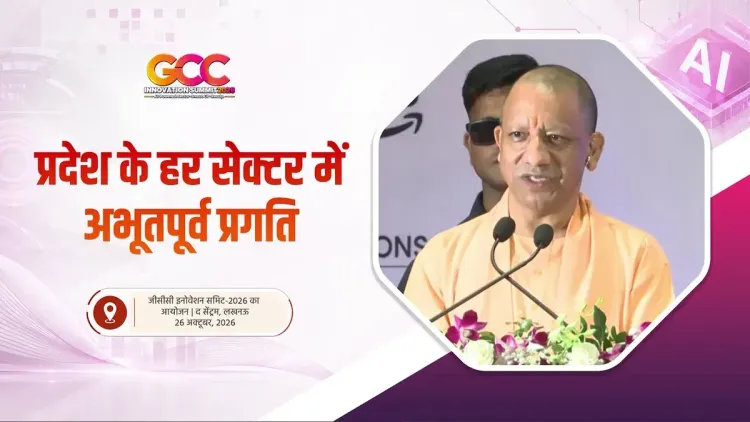
CM Yogi Adityanath says Uttar Pradesh now runs over 8,000 higher education institutions and is positioned to supply a skilled young workforce to Global Capability Centres, pitching the state as a prime GCC destination beyond traditional metros.
Key Takeaways
Uttar Pradesh operates more than 8,000 Higher Education Institutions , according to CM Yogi Adityanath on October 26, 2026 .
The state is explicitly positioning this education base as a talent pipeline for Global Capability Centres (GCCs) of multinational firms.
GCCs are increasingly expanding beyond Bengaluru and Hyderabad into large-population, lower-cost states — a trend UP aims to capitalise on.
The expansion has been accelerated under the framework of the National Education Policy 2020 , targeting both enrolment growth and industry-aligned curricula.
The next key indicators will be state budget allocations for higher education and formal GCC investment or MoU announcements.
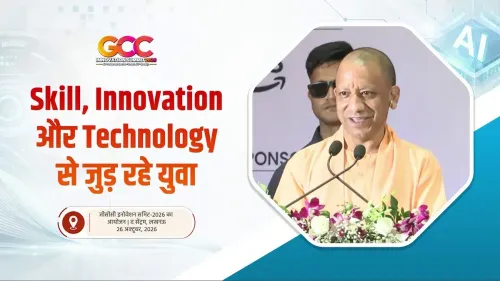
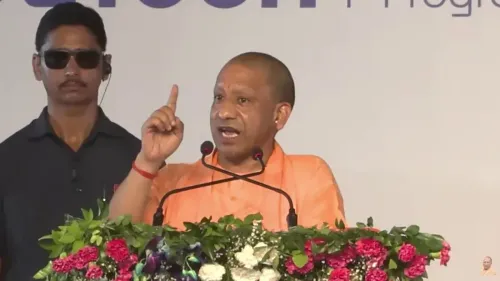
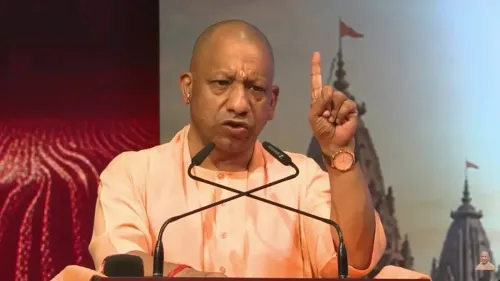
Uttar Pradesh is staking its claim in India's next economic frontier — and it is doing so with numbers. Chief Minister Yogi Adityanath, through the Chief Minister's Office of Uttar Pradesh on Monday, October 26, 2026, declared that the state now operates more than 8,000 Higher Education Institutions — and that this sprawling academic network is being deliberately aimed at feeding the booming Global Capability Centre (GCC) industry with skilled young professionals.
8,000 institutions, one strategic bet
The Chief Minister's statement was direct: 'उत्तर प्रदेश आज 8,000 से अधिक Higher Education Institutions संचालित कर रहा है' — 'Uttar Pradesh today operates more than 8,000 Higher Education Institutions.' The framing was not merely about enrolment numbers. It was a pitch to multinational corporations: UP has the workforce pipeline, and it is ready now.
GCCs — the offshore delivery, R&D, and analytics hubs that global firms run from India — have historically clustered in Bengaluru, Hyderabad, and Pune. The game is shifting. Companies hunting for talent at scale, at lower cost, are moving their sights toward large-population states with growing technical education bases. Uttar Pradesh, India's most populous state, is positioning itself as exactly that alternative.
NEP 2020's footprint in UP's expansion
The push has a policy spine. Following the National Education Policy 2020, Uttar Pradesh accelerated the expansion of universities and colleges with an explicit mandate to align curricula with industry requirements and raise the state's gross enrolment ratio. The theory was simple: demographic dividend only converts into economic dividend if the institutions are there. Eight thousand institutions is the answer to that theory in practice.
The state's youth demographic — the largest in the country by sheer weight — is the underlying asset CM Yogi is advertising. For a GCC operator, that translates into a deep, replenishable supply of engineering and professional graduates without the wage inflation pressure of saturated metro markets.
What corporates — and students — will be watching next
The real test of this positioning will arrive in the next budget cycle and in the form of concrete MoUs. Announcing a workforce-ready base is the opening move; GCC investment announcements, dedicated skill-alignment programmes, and campus-to-corporate pipeline agreements are the follow-through that converts a statement into an economic shift.
For the millions of young people enrolled across those 8,000-plus institutions, the stakes are personal. If the GCC bet lands, it means white-collar, globally-linked careers without the compulsory migration to Mumbai or Bengaluru that previous generations accepted as given. That is the promise embedded in this one data point.
UP is no longer just describing its size. It is deploying it.
Point of View
Uttar Pradesh is attempting to insert itself into a corporate calculus that has historically overlooked it. The move reflects a broader Yogi-government strategy of translating population size into industrial leverage, consistent with the 'UP as investment destination' narrative pushed at successive Global Investors Summits. Whether the higher education base translates into genuinely GCC-ready talent — not just raw graduate numbers — will define whether this is a pivot or a posture.
NationPress
26 Oct 2026
Frequently Asked Questions
How many higher education institutions does Uttar Pradesh have in 2026?
According to Chief Minister Yogi Adityanath, Uttar Pradesh operates more than 8,000 higher education institutions as of October 2026, making it one of the largest state-level higher education networks in India.
What is a Global Capability Centre (GCC) and why does UP want to attract them?
A Global Capability Centre is an offshore hub set up by a multinational company to handle R&D, IT, analytics, or back-office operations. UP wants to attract GCCs because they create high-quality, white-collar jobs — and the state is pitching its large pool of engineering and college graduates as the key draw.
How does the National Education Policy 2020 connect to UP's higher education expansion?
Following NEP 2020, Uttar Pradesh accelerated the expansion of universities and colleges with a focus on raising gross enrolment ratios and aligning academic programmes with industry needs, laying the groundwork for the current GCC-readiness claim.
Is Uttar Pradesh competing with Bengaluru and Hyderabad for GCC investments?
Yes. GCCs have traditionally concentrated in Bengaluru, Hyderabad, and Pune, but rising costs are pushing firms to explore tier-2 states. Uttar Pradesh is positioning its large youth demographic and expanding education infrastructure as a scalable, cost-competitive alternative.
What will indicate whether UP's GCC ambitions succeed?
Watch for state budget allocations dedicated to higher education skill-alignment, and any formal MoUs or investment announcements from multinational firms committing to set up or expand GCC operations in Uttar Pradesh.