CM Yogi: UP Has 79 GI-Tagged MSME Products, 75 More Applied
Synopsis
At the UP International Trade Summit 2026, CM Yogi Adityanath declared Uttar Pradesh holds 79 GI-tagged MSME products — from Bhadohi carpets to Varanasi silk — and has applied for 75 more, positioning heritage crafts as multi-crore turnover brands.
Key Takeaways
Uttar Pradesh currently holds GI tags for 79 MSME products , according to CM Yogi Adityanath's address at UPITS2026.
The state has filed applications for 75 additional GI tags , signalling a major expansion of the protected-product portfolio.
Flagship products cited include Bhadohi carpets, Moradabad brassware, Kannauj perfumes, and Varanasi silk sarees .
The One District One Product (ODOP) scheme, launched in 2018, has been the primary driver linking local crafts to the GI pipeline.
The GI framework, established under the 1999 GI Act , provides intellectual property protection and enables artisans to command export premiums.
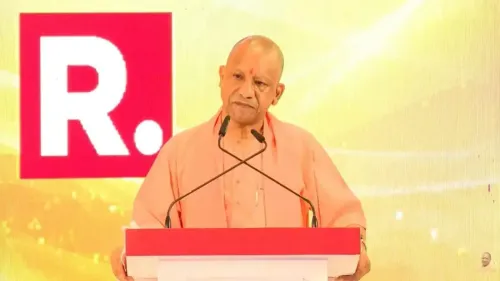
The announcement was made at the UP International Trade Summit 2026 (UPITS2026) , framing heritage crafts as a central plank of the state's investment pitch.
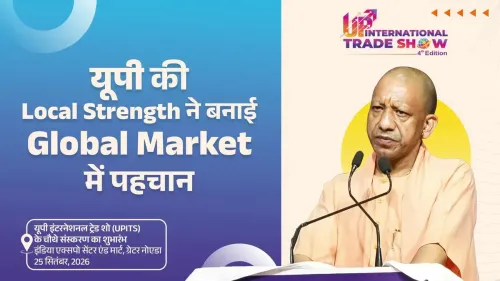
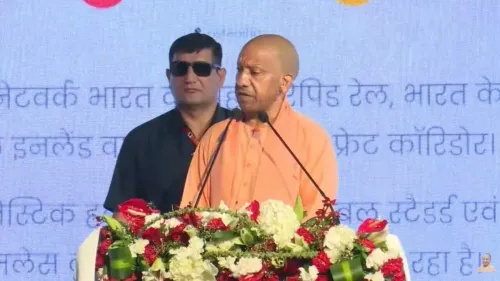
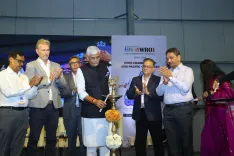
Carpets, brass, perfume, silk — and now, billion-rupee brands. Speaking at the UP International Trade Summit 2026 (#UPITS2026), Chief Minister Yogi Adityanath, as quoted by the Chief Minister's Office of Uttar Pradesh on Friday, 25 September 2026, declared that Uttar Pradesh now holds Geographical Indication (GI) Tags for 79 products in its MSME sector — and has filed applications for 75 more.
From Bhaddohi's looms to Varanasi's silk — a heritage portfolio goes global
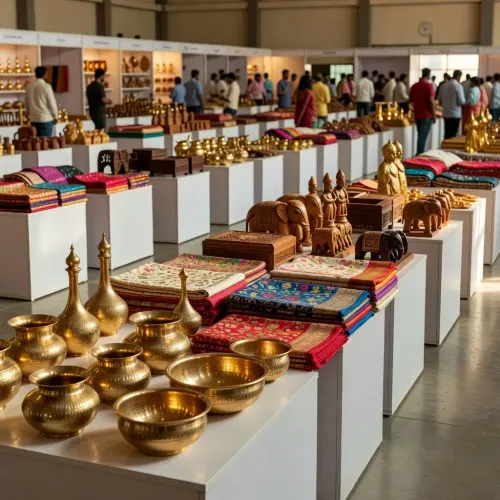
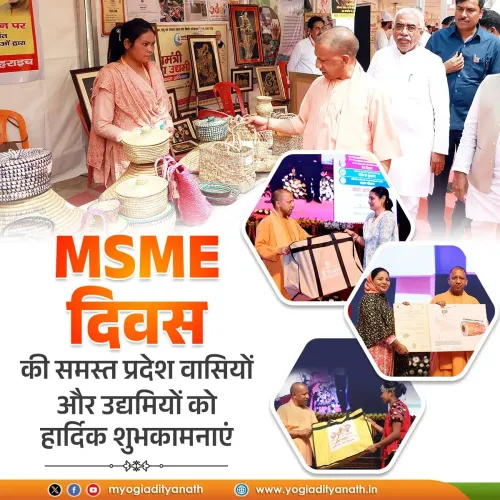
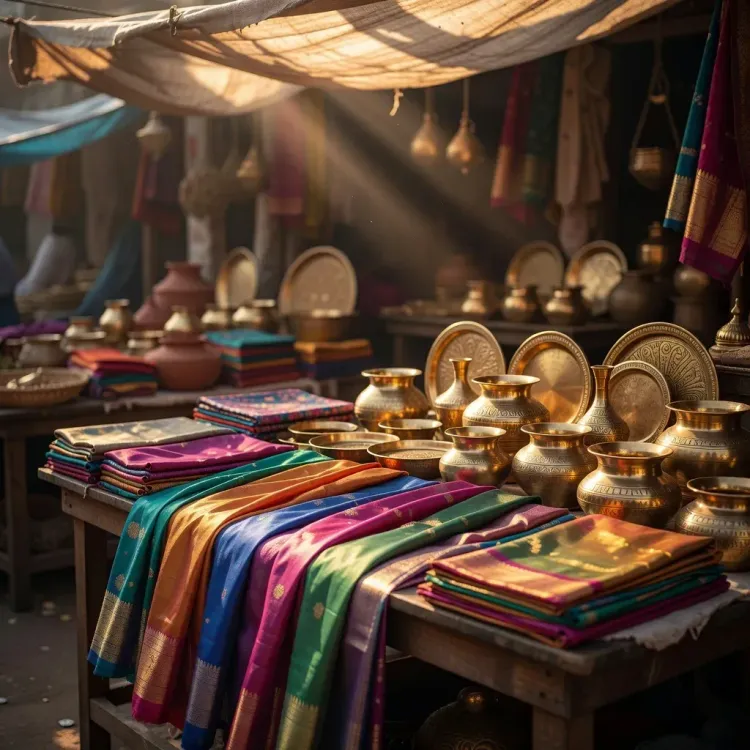
The Chief Minister listed the headline names: the carpets of Bhadohi, the gleaming brassware of Moradabad, the intoxicating perfumes of Kannauj, and the world-famous silk sarees of Varanasi. Each of these crafts carries centuries of artisanal knowledge — and each now sits, by the government's account, at the centre of a multi-crore-rupee turnover brand. 'हम सांस्कृतिक विरासत से जुड़े इन उत्पादों को करोड़ों रुपये के Turnover वाले Brand में बदल चुके हैं' — 'We have turned these culturally rooted products into brands with crores in turnover,' the Chief Minister said.
What a GI Tag actually does — and why UP is stacking them
A Geographical Indication tag, granted under the Geographical Indications of Goods (Registration and Protection) Act, 1999, is intellectual property protection for region-specific goods with unique qualities tied to their place of origin. Think Champagne for France, or Darjeeling for tea — the tag stops cheaper imitations from riding a product's reputation. For UP's artisans, it is also a commercial passport: a GI label signals authenticity to buyers at home and abroad, allowing producers to command a premium.
The push accelerated after 2018, when the state launched the One District One Product (ODOP) scheme — a policy designed to identify and scale the most distinctive craft or product of each district. Many ODOP products subsequently entered the GI pipeline, creating a direct link between local economic policy and intellectual property protection.
75 applications pending — the next wave at UPITS2026
The summit is the natural stage for this announcement. With 75 new GI applications already filed, the state is signalling that the current tally of 79 tags is a floor, not a ceiling. Handicraft exporters, traditional weavers, and MSME artisans across UP's districts stand to gain if the pending applications are approved — widening the branded portfolio and deepening the export story the government is selling to investors at the summit.
No other Indian state has pursued GI registration at this scale within a single MSME framework, making UP's approach a template — and a competitive assertion — in the national race to convert cultural assets into economic output.
The question the summit will have to answer: can the brand infrastructure — logistics, e-commerce, quality certification — grow fast enough to match the ambition of the GI ledger?
Point of View
Giving UP's MSME sector a differentiated identity in a crowded export market. By pairing the ODOP scheme with GI registration, the state has created a policy feedback loop: local identification leads to branding, branding attracts investment, investment lifts artisan incomes. The UPITS2026 setting is no accident; announcing 79 tags and 75 pending applications at a trade summit is a direct pitch to buyers and investors that UP's products are authenticated, premium, and scalable. The durability of the strategy, however, will depend on whether downstream infrastructure — quality control, packaging, e-commerce access — can match the speed of GI registration.
NationPress
25 Sept 2026
Frequently Asked Questions
How many GI tags does Uttar Pradesh have for MSME products?
According to Chief Minister Yogi Adityanath's statement at UPITS2026, Uttar Pradesh currently holds GI tags for 79 MSME products , with applications filed for 75 more.
What is the One District One Product (ODOP) scheme in UP?
The One District One Product (ODOP) scheme was launched by the Uttar Pradesh government in 2018 to identify and promote the most distinctive craft or product of each district, many of which have since entered the GI tag pipeline.
What is a GI tag and how does it benefit artisans?
A Geographical Indication (GI) tag , granted under India's 1999 GI Act, is an intellectual property protection for region-specific products with unique qualities. It prevents imitation, signals authenticity to buyers, and allows artisans to charge a premium in domestic and export markets.
Which UP products have GI tags?
Notable GI-tagged products from Uttar Pradesh include Bhadohi carpets, Moradabad brassware, Kannauj perfumes, and Varanasi silk sarees , among dozens of other MSME goods across the state.