CM Yogi: UP Basic Schools Add 60 Lakh Students in 9 Years
Synopsis
The Chief Minister's Office of Uttar Pradesh cited CM Yogi Adityanath claiming that Basic Education Council schools enrolled over 60 lakh new children in nine years and reduced the dropout rate from 19-20 percent to just 3-4 percent, pending independent verification.
Key Takeaways
The CMO UP quoted CM Yogi Adityanath on 1 July 2026 claiming over 60 lakh new children enrolled in Basic Education Council schools over nine years.
The state government claims the elementary school dropout rate fell from 19–20 percent to 3–4 percent over the same period.
The Uttar Pradesh Basic Education Council administers government primary and upper-primary schools across India's most populous state.
Central schemes including the Right to Education Act , Sarva Shiksha Abhiyan , and Samagra Shiksha form the policy backbone for these enrollment and retention efforts.
The figures have not been independently verified; the UDISE+ annual report remains the standard benchmark for such data.
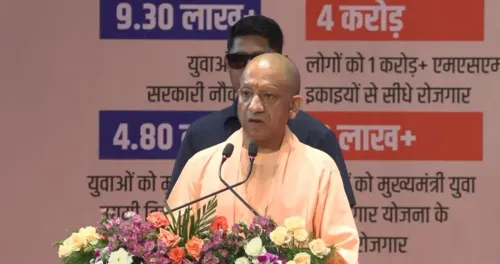
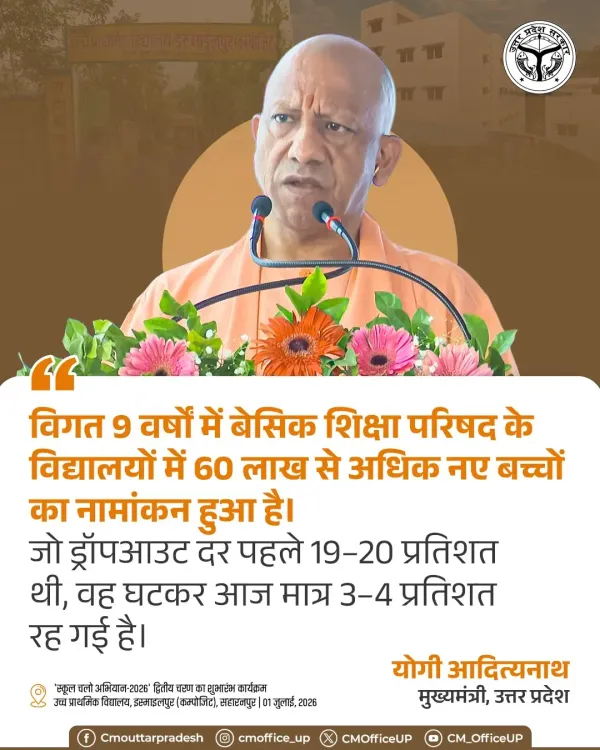
The Chief Minister's Office of Uttar Pradesh, citing Chief Minister Yogi Adityanath, on Wednesday, 1 July 2026, shared data claiming that government primary schools under the Uttar Pradesh Basic Education Council have enrolled more than 60 lakh new children over the past nine years, while the dropout rate has fallen sharply from nearly 19–20 percent to just 3–4 percent.
Context
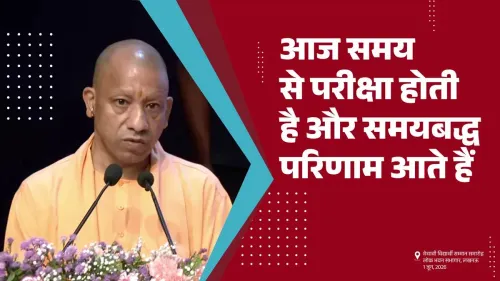
The official CMO account quoted Chief Minister Yogi Adityanath directly: 'विगत 9 वर्षों में बेसिक शिक्षा परिषद के विद्यालयों में 60 लाख से अधिक नए बच्चों का नामांकन हुआ है' ('In the past 9 years, more than 60 lakh new children have been enrolled in Basic Education Council schools'). The statement also claims the dropout rate, which previously stood at 19–20 percent, has now been reduced to 3–4 percent. The figures were shared without citing a specific official report, and independent verification from published data sources is pending.
Policy Backdrop
The Uttar Pradesh Basic Education Council administers government primary and upper-primary schools across India's most populous state. UP has historically recorded some of the highest numbers of out-of-school children at the elementary level in the country. Central frameworks including the Right to Education Act (2009) and the Sarva Shiksha Abhiyan (2001) mandated states to improve both enrollment and retention, and the National Education Policy (2020) reinforced the focus on foundational literacy and reducing dropouts.
The state has continued implementing Samagra Shiksha, the centrally sponsored umbrella scheme that merged earlier elementary and secondary education programmes, alongside periodic enrollment drives and infrastructure upgrades in rural areas. Verified annual enrollment and dropout data for UP is typically captured through the UDISE+ system maintained by the central government.
Stakeholders and Impact
If the figures cited by CM Yogi Adityanath are borne out by official data, the primary beneficiaries are children from rural and economically weaker households across Uttar Pradesh, who have historically faced the greatest barriers to school access and retention. Basic education teachers and local school management committees would also be key actors in any sustained improvement in these metrics.
A dropout rate of 3–4 percent at the elementary level, if verified, would represent a significant convergence toward the national target of near-universal retention under the Right to Education Act. Civil society groups and parent communities in districts with historically high dropout figures — particularly in eastern and Bundelkhand regions — stand to be most directly affected.
What's Next
The next publication of the UDISE+ annual report will be the primary benchmark against which the state government's claimed enrollment and dropout figures can be independently assessed. State budget allocations for basic education in the upcoming fiscal year will also indicate whether Lucknow intends to sustain or scale the programmes credited with these gains. Observers will watch for disaggregated district-level data, which would reveal whether improvements are uniform across UP or concentrated in select regions.
Point of View
If verified, rank among the most significant state-level education turnarounds in recent Indian history. However, the absence of a cited official data source in the post means the figures require corroboration from the next UDISE+ cycle before they can be treated as established fact. The pattern reflects a broader trend of state governments releasing headline education metrics through social media ahead of formal report publication, which compresses the space for public scrutiny.
NationPress
30 Sept 2026
Frequently Asked Questions
How many new students were enrolled in UP government schools in 9 years?
The Chief Minister's Office of Uttar Pradesh, citing CM Yogi Adityanath, claims more than 60 lakh new children were enrolled in Basic Education Council schools over the past nine years. This figure has not yet been independently verified against published official data.
What is the current dropout rate in UP primary schools?
According to a statement from the CMO UP attributed to CM Yogi Adityanath , the dropout rate in Basic Education Council schools has fallen to 3–4 percent , down from 19–20 percent previously. Independent verification through the UDISE+ system is awaited.
What is the Uttar Pradesh Basic Education Council?
The Uttar Pradesh Basic Education Council is the state agency responsible for administering government primary and upper-primary schools across Uttar Pradesh. It operates under the state's education department and implements central and state schemes for elementary education.
What schemes helped improve school enrollment in Uttar Pradesh?
Central programmes including the Right to Education Act (2009) , Sarva Shiksha Abhiyan , and the umbrella Samagra Shiksha scheme have been the primary policy instruments for improving enrollment and retention in UP government schools.
How is school dropout data verified in India?
School enrollment and dropout data in India is officially tracked through the UDISE+ (Unified District Information System for Education Plus) platform, maintained by the central government. Annual UDISE+ reports are the standard benchmark for assessing state-level education metrics.