CM Yogi Urges UP Residents to Stay Alert During Monsoon
Synopsis
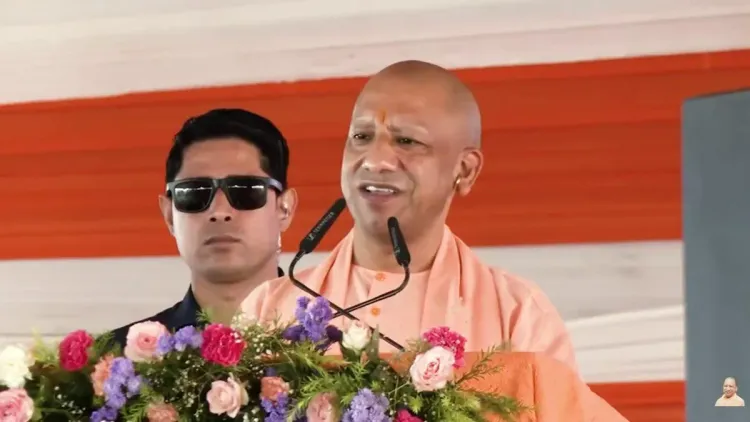
Uttar Pradesh Chief Minister Yogi Adityanath on 21 July 2026 issued a direct public appeal urging residents to stay alert during the monsoon season, warning that even a single casualty causes deep anguish to his administration. The message underlines the state's zero-tolerance approach to monsoon fatalities.
Key Takeaways
CM Yogi Adityanath posted a monsoon safety appeal on 21 July 2026 , urging all Uttar Pradesh residents to exercise alertness and caution.
The Chief Minister stated that even a single loss of life during the rains causes him pain, reaffirming a zero-tolerance stance on monsoon casualties.
The post included a video, indicating a direct public communication effort beyond routine administrative orders.
Uttar Pradesh , India's most populous state, faces recurring monsoon flooding particularly in its eastern and northern districts along major river systems.
Disaster preparedness in India operates under the Disaster Management Act, 2005 , with state governments mandated to run control rooms and rapid-response teams during the monsoon.
District administrations and disaster response forces are expected to step up monitoring and pre-positioning of relief teams following the advisory.
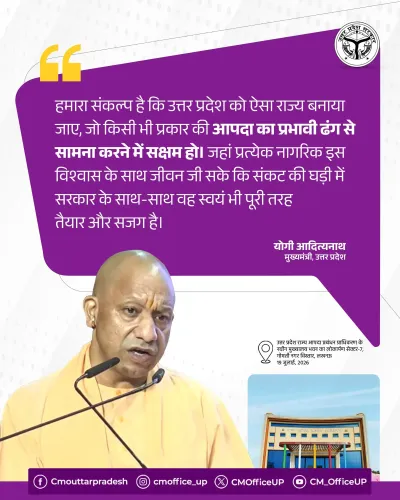
Uttar Pradesh Chief Minister Yogi Adityanath on Tuesday, 21 July 2026, issued a public safety appeal to residents of the state, urging caution as the monsoon season intensifies across Uttar Pradesh. The Chief Minister stressed that even a single loss of life during the rains causes him deep anguish, signalling the administration's zero-tolerance stance on monsoon casualties.
Context
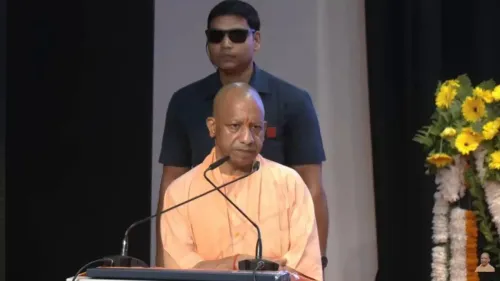
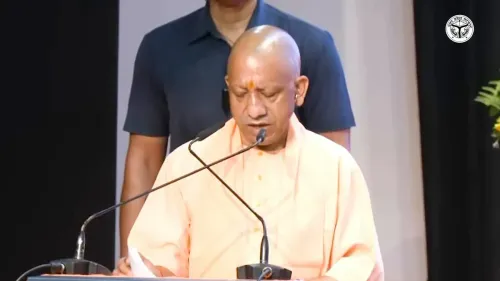
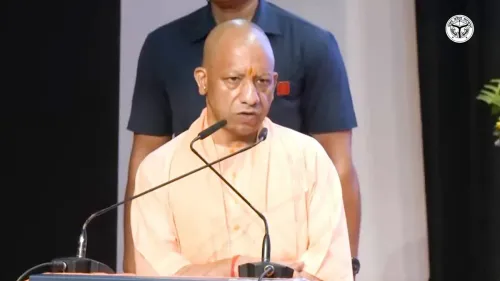
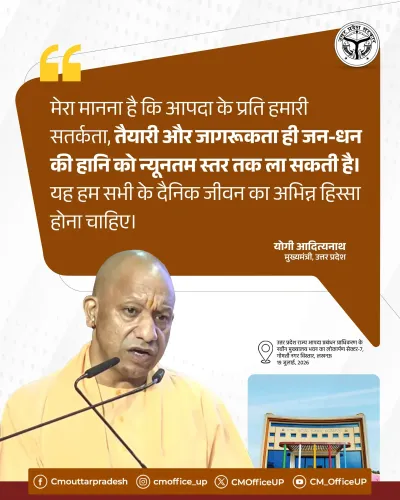
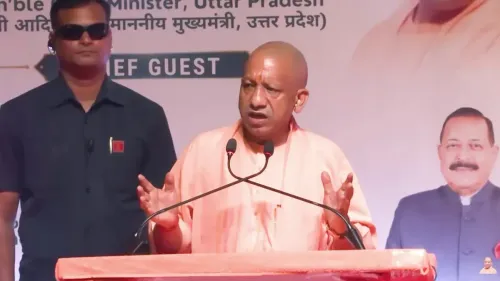
In his post on X, CM Yogi Adityanath addressed citizens directly: 'आप सबसे मेरी अपील है... बरसात का समय है, सतर्कता और सावधानी बरतें...' ('I appeal to all of you... it is the rainy season, exercise alertness and caution...'). He added, 'एक भी जनहानि होती है, तो हमें पीड़ा होती है' ('If even a single life is lost, it causes us pain'). The message was accompanied by a video, underscoring its intent as a direct public communication rather than a routine administrative notice.
Uttar Pradesh is India's most populous state and among those most vulnerable to monsoon-related fatalities, including drownings, electrocution from fallen power lines, and flash flooding — particularly in its eastern and northern districts. The advisory comes at a period when the monsoon is typically at or near its peak intensity across the Gangetic plain.
Policy Backdrop
State-level disaster preparedness in India is governed under the Disaster Management Act, 2005, which mandates that state governments establish control rooms, deploy rapid-response teams, and issue timely public advisories during high-risk weather periods. Uttar Pradesh activates district-level monsoon control rooms annually to coordinate relief and rescue operations.
The Yogi Adityanath government has maintained consistent public messaging around casualty reduction during the monsoon since 2017, framing it as a governance priority. Annual directives to district magistrates and the State Disaster Management Authority typically accompany such public appeals, calling for round-the-clock monitoring of river levels, embankments, and waterlogged urban areas.
Stakeholders and Impact
The advisory is directed at residents across Uttar Pradesh's 75 districts, with particular relevance for communities in flood-prone zones along the Ganga, Ghaghra, Rapti, and Sharda river systems. District administrations are expected to amplify the message through local channels and ensure that emergency helplines and relief infrastructure are operational.
Vulnerable populations — including daily-wage workers who travel through waterlogged routes, farmers in low-lying fields, and children near water bodies — are the primary audience for such advisories. The Chief Minister's personal tone of appeal, rather than a formal government order, signals an effort to connect directly with citizens and encourage voluntary caution.
What's Next
Following such public advisories, district administrations in Uttar Pradesh are typically directed to hold flood mitigation reviews and ensure that National Disaster Response Force (NDRF) and State Disaster Response Force (SDRF) teams are pre-positioned in high-risk areas. Monitoring of river embankments and coordination with the Central Water Commission for flood forecasting are expected to remain active through the peak monsoon weeks. The Chief Minister's appeal sets the tone for heightened administrative vigilance across the state in the days ahead.
Point of View
Emotionally framed appeal — rather than a formal government directive — reflects a deliberate communication strategy aimed at building personal accountability with citizens during a high-risk period. By foregrounding his own anguish over potential casualties, he positions the administration as empathetic rather than merely procedural, a tone that has become a recurring feature of his governance messaging. The advisory fits into a broader pattern of Indian state governments using social media to project proactive disaster preparedness, particularly after monsoon fatalities drew scrutiny in previous years. Whether district-level machinery translates this public signal into operational readiness will be the real test of the state's monsoon management this season.
NationPress
21 Jul 2026
Frequently Asked Questions
Why did CM Yogi Adityanath issue a monsoon safety appeal?
CM Yogi Adityanath issued the appeal on 21 July 2026 because Uttar Pradesh is in the peak monsoon season, a period when the state historically records drownings, electrocution deaths, and flood casualties, particularly in eastern and northern districts.
What did CM Yogi say in his monsoon appeal?
He urged all residents of Uttar Pradesh to exercise alertness and caution during the rainy season, and said that even a single loss of life causes him deep pain — signalling a zero-tolerance approach to monsoon fatalities.
Which districts in Uttar Pradesh are most at risk during monsoon?
Eastern and northern Uttar Pradesh districts along river systems such as the Ganga, Ghaghra, Rapti, and Sharda are historically most vulnerable to flooding and monsoon-related casualties.
What is the Disaster Management Act and how does it apply to UP's monsoon response?
The Disaster Management Act, 2005 mandates state governments to establish control rooms, deploy rapid-response teams, and issue public advisories during high-risk weather events. Uttar Pradesh activates district-level monsoon control rooms under this framework every year.
What action follows a monsoon advisory from the UP Chief Minister?
Following such an advisory, district administrations are typically directed to hold flood mitigation reviews, ensure NDRF and SDRF teams are pre-positioned, and coordinate with the Central Water Commission for flood forecasting.