CM Yogi Vows to Fight 'Enemies of Lord Ram' Till Last Breath
Synopsis
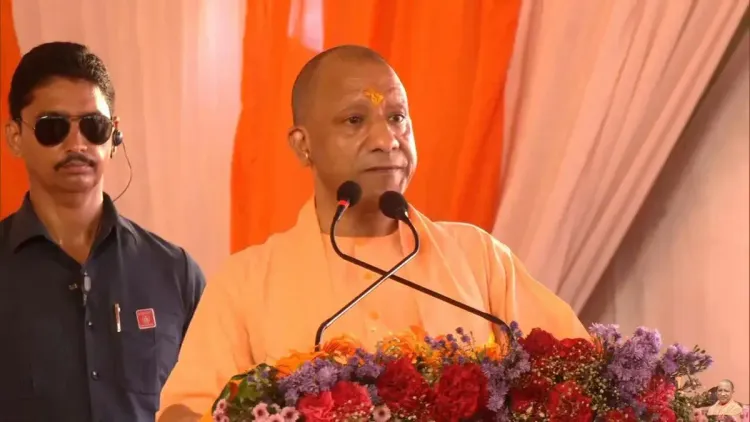
Uttar Pradesh Chief Minister Yogi Adityanath declared on August 14, 2026 that he will fight 'enemies of Lord Ram' with full strength till his last breath — a combative Hindi post that sharpens his long-standing alignment of governance with Hindu cultural identity ahead of Independence Day.
Key Takeaways
CM Yogi Adityanath posted a combative Hindi statement on August 14, 2026 , vowing to fight those he termed enemies of Lord Ram till his last breath.
The term drohi (traitor/enemy) used in the post carries strong moral and cultural weight in Hindu discourse.
The post came on the eve of Independence Day , amplifying its political resonance.
Yogi's framing of politics through Lord Ram is consistent with his role as head of the Gorakhnath Math and his tenure as Uttar Pradesh Chief Minister .
The Ram Mandir in Ayodhya , inaugurated in January 2024 after the 2019 Supreme Court verdict , remains the symbolic centrepiece of this political identity.
Opposition responses and follow-up BJP statements will indicate the immediate political temperature of the remark.
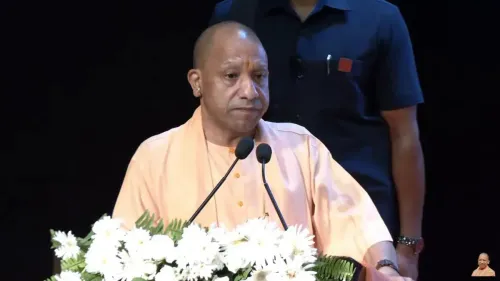
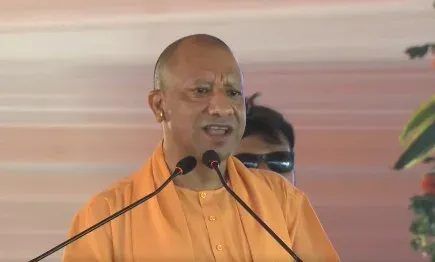
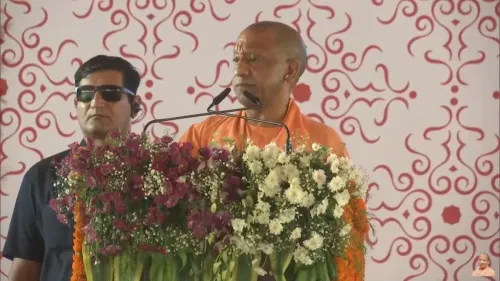
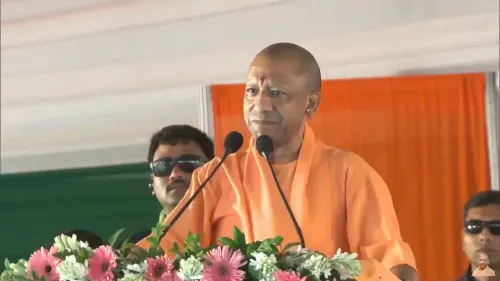
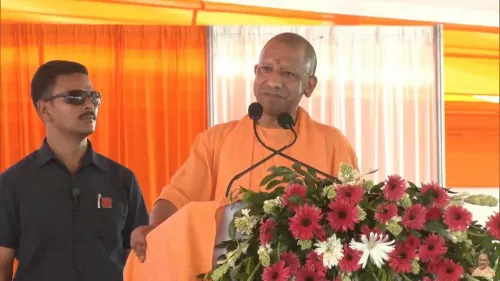
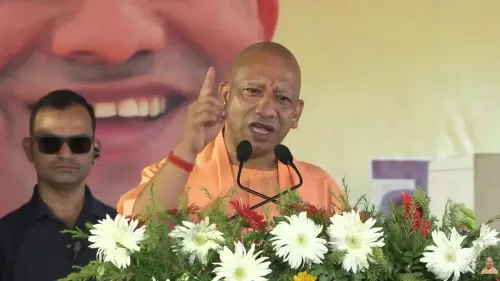
A combative declaration from Uttar Pradesh Chief Minister Yogi Adityanath on Friday, August 14, 2026 drew immediate attention — one day before Independence Day — as he warned that those who stand against Lord Ram will be confronted with full force, without relent.
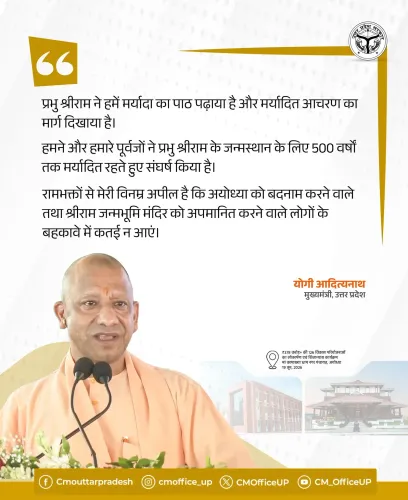
Posting in Hindi on X, CM Yogi stated: 'Jo Prabhu Shri Ram ka drohi hoga, usse antim dam tak niptengen aur poori takat se muqabla karenge...' — 'Whoever is an enemy of Lord Ram, we will deal with them till our last breath and fight them with full strength.' The ellipsis at the close signals a deliberate, open-ended challenge.
Ram as a Political Axis in UP Politics
Yogi Adityanath, who heads the Gorakhnath Math in Gorakhpur in addition to governing Uttar Pradesh, has long anchored his political identity to the figure of Lord Ram. The Ram Mandir at Ayodhya — inaugurated in January 2024 after a landmark 2019 Supreme Court verdict cleared decades of legal contestation — sits at the symbolic heart of this alignment. For Yogi, Ram is not merely a deity; he is a governing metaphor.
That framing has sharpened over time. Since 2014, the BJP has systematically woven Hindu cultural symbols into the fabric of state and national politics, and Uttar Pradesh — India's most populous state — has been the primary arena. Yogi's statements on Ram consistently serve a dual function: devotional affirmation for a core constituency and a pointed political signal to opponents.
The Weight of 'Drohi' — and Who It Targets
The word drohi — traitor or enemy — carries sharp moral weight in Hindu cultural discourse. By casting political adversaries in that frame, Yogi elevates the contest beyond electoral competition into something closer to a civilisational struggle. The specific trigger for this August 14 statement is not confirmed, but the timing — the eve of Independence Day — amplifies its resonance.
Opposition parties in Uttar Pradesh have historically pushed back against such rhetoric, arguing it conflates governance with religious identity. Whether this post draws a formal response from rival political formations will be one immediate indicator of its political temperature.
One thing is clear: with the Ram Mandir now standing in Ayodhya and the next state electoral cycle on the horizon, CM Yogi has no intention of stepping back from the terrain that defines his political brand — and he is signalling, loudly, that he expects a fight.
Point of View
The CM positions any political opposition as a moral transgression, not merely a policy disagreement. The timing on Independence Day eve fuses nationalist and religious sentiment into a single frame. With state elections approaching, this is less a spontaneous outburst and more a calibrated signal about which battlefield Yogi intends to fight on.
NationPress
14 Aug 2026
Frequently Asked Questions
What did Yogi Adityanath say about enemies of Lord Ram?
On August 14, 2026, CM Yogi Adityanath posted in Hindi that whoever is an enemy of Lord Ram will be fought with full strength till his last breath — using the word 'drohi' (traitor/enemy) to describe such opponents.
Why did Yogi Adityanath make this statement on August 14?
The specific trigger for the August 14, 2026 post has not been confirmed, but the timing on the eve of Independence Day added political and symbolic weight to the declaration.
What is Yogi Adityanath's connection to Lord Ram and Ayodhya?
As head of the Gorakhnath Math and Chief Minister of Uttar Pradesh, Yogi Adityanath has consistently centred his political identity on Lord Ram. The Ram Mandir in Ayodhya, inaugurated in January 2024 after a 2019 Supreme Court verdict, is the defining symbol of that alignment.
What does 'drohi' mean in Yogi Adityanath's post?
'Drohi' is a Hindi word meaning traitor or enemy. By applying it to those who oppose Lord Ram, Yogi frames the political contest as a moral and cultural struggle rather than a conventional electoral rivalry.
How have opposition parties responded to Yogi Adityanath's Ram-centric politics?
Opposition parties in Uttar Pradesh have historically argued that Yogi's rhetoric conflates governance with religious identity. Whether this specific August 2026 statement draws a formal response remains to be seen.