CM Yogi Warns of Fake-Account Plots to Divide India by Caste, Region
Synopsis
UP Chief Minister Yogi Adityanath warned on 28 July 2026 that fake social media accounts are being weaponised to sow division in India along caste, language and regional lines, invoking the memory of the 1947 Partition to frame digital disinformation as a threat to national unity.
Key Takeaways
CM Yogi Adityanath posted the warning on 28 July 2026 , flagging coordinated fake-account activity on social media platforms.
He identified region, language, and caste as the three fault lines being targeted to divide Indian society.
The post invokes the spectre of Partition — the 1947 division of British India — to frame the threat as existential.
India's IT (Intermediary Guidelines and Digital Media Ethics Code) Rules, 2021 already mandate platforms to address fake accounts, but enforcement gaps persist.
The BJP has consistently highlighted identity-based fragmentation as a threat to national cohesion, and this post extends that long-standing political position into the digital domain.
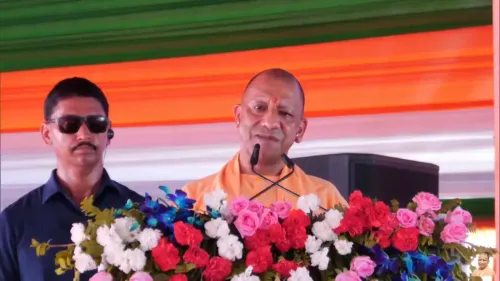
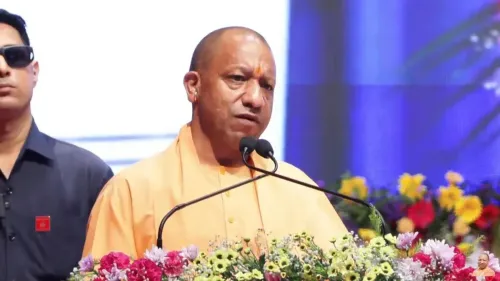
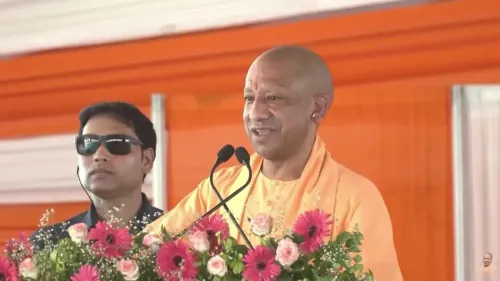
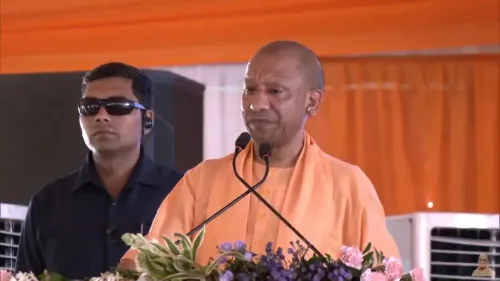
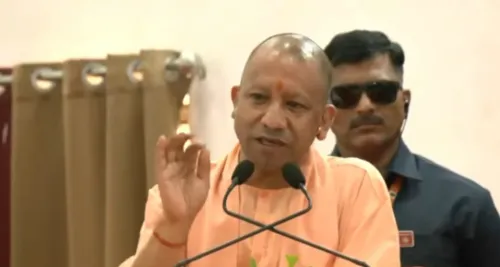
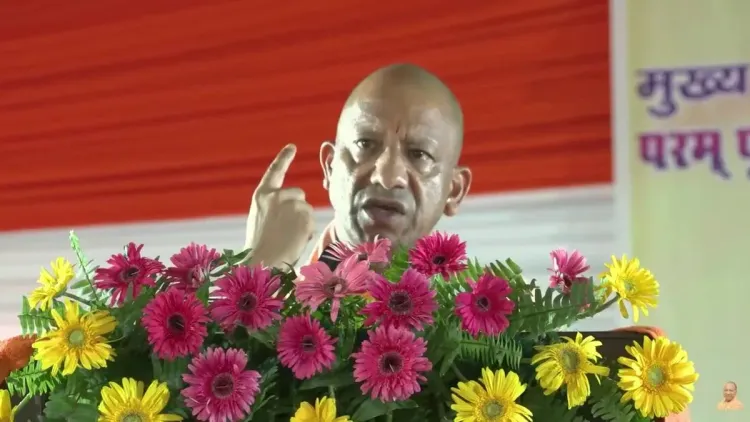
A warning aimed at the architecture of modern disinformation: Uttar Pradesh Chief Minister Yogi Adityanath on Tuesday, 28 July 2026, cautioned that coordinated campaigns using fake social media accounts are being deployed to fracture India along the fault lines of region, language, and caste — echoing, in his framing, the trauma of 1947.
Posting on X, CM Yogi wrote: 'भारत को रोकने के लिए अनेक षड्यंत्र होंगे, सोशल मीडिया प्लेटफॉर्म पर फेक अकाउंट बनाकर, क्षेत्र, भाषा व जाति के आधार पर फिर से विभाजन की स्थिति पैदा करने के प्रयास होंगे...' ('There will be many conspiracies to stop India; attempts will be made to create a situation of division again — on the basis of region, language and caste — by creating fake accounts on social media platforms.')
The 'Partition' Frame and Why It Lands Hard
The word 'vibhajan' (division/partition) in an Indian political context is never incidental. By invoking the spectre of renewed partition, CM Yogi is reaching for the most visceral wound in modern Indian memory — the 1947 division of British India that displaced millions and left a permanent scar on the national psyche. Framing digital disinformation as a potential re-run of that rupture is a deliberate escalation of register, designed to make social media fragmentation feel existential, not merely inconvenient.
The Bharatiya Janata Party has long positioned national integration as a core ideological plank, consistently flagging caste, regional, and linguistic identity politics as centrifugal threats. CM Yogi's post fits squarely within that tradition — but the specific mechanism he names, fake accounts engineered for identity-based wedge-driving, reflects a sharper, more contemporary diagnosis of how that threat now operates.
India's Digital Guardrails — and Their Limits
India is not without a legal framework here. The Information Technology (Intermediary Guidelines and Digital Media Ethics Code) Rules, 2021 place obligations on large social media platforms to identify and remove fake or misleading accounts and to trace the origin of viral misinformation. The rules require significant social media intermediaries to appoint grievance officers and comply with takedown timelines.
Yet enforcement has been uneven, and the scale of coordinated inauthentic behaviour — across elections, communal flashpoints, and regional disputes — has continued to draw alarm from policymakers. CM Yogi's statement arrives in that gap: between rules on paper and reality on the ground.
Whether the warning presages fresh regulatory action, a broader BJP messaging push ahead of any upcoming electoral cycle, or simply reflects a moment of public concern is not yet clear. What is clear is that the Chief Minister of India's most populous state has placed digital disinformation — specifically its capacity to weaponise identity — at the centre of his political vocabulary. That alone moves the needle.
Point of View
Updated for the social media era: the enemy is no longer just communal violence but algorithmic wedge-driving. By anchoring the warning in Partition imagery, he elevates a digital-governance concern into a civilisational stakes argument — a move that simultaneously builds political capital and applies pressure on platforms and regulators. The reference to caste and region is also notable domestically: Uttar Pradesh's complex social geography makes those fault lines politically live, and a Chief Minister naming them publicly signals both awareness and intent to own the narrative. Whether this leads to concrete regulatory follow-through or remains rhetorical positioning is the question that will define the statement's actual weight.
NationPress
29 Jul 2026
Frequently Asked Questions
What did CM Yogi Adityanath say about social media and India's division?
CM Yogi Adityanath warned on 28 July 2026 that fake accounts on social media platforms are being created to divide India along the lines of region, language and caste, comparing the threat to a renewed partition of the country.
Why did Yogi Adityanath mention partition in his social media post?
By invoking the 1947 Partition of India, CM Yogi framed digital disinformation and identity-based social media campaigns as an existential threat to national unity, not merely a law-and-order or tech-regulation issue.
What Indian laws exist to deal with fake social media accounts?
The Information Technology (Intermediary Guidelines and Digital Media Ethics Code) Rules, 2021 require large social media platforms to remove fake accounts, trace viral misinformation, and appoint grievance officers — though enforcement has been inconsistent.
Is this a new position for the BJP on social media and national unity?
No. The Bharatiya Janata Party has consistently highlighted caste, regional and linguistic identity politics as threats to national cohesion. CM Yogi's post applies that established position specifically to fake-account-driven disinformation campaigns.
What could follow CM Yogi's warning about fake accounts and social division?
Possible follow-up actions include fresh regulatory pressure on social media intermediaries under India's IT rules, coordinated statements from other BJP leaders, or policy proposals targeting coordinated inauthentic behaviour online.