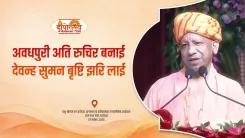
CM Yogi Welcomes VP Radhakrishnan at Deepotsav 10th Edition in Ayodhya
Synopsis
The Chief Minister's Office of Uttar Pradesh welcomed Vice President C.P. Radhakrishnan to Ayodhya's Deepotsav on 7 November 2026, marking the festival's 10th edition — a milestone for the state's flagship cultural event launched by CM Yogi Adityanath in 2017.
Key Takeaways
Deepotsav 2026 marks the 10th edition of the annual festival of lights held in Ayodhya Dham , UP.
Radhakrishnan attended the grand ceremony as the chief guest, lending constitutional weight to the event.
Chief Minister Yogi Adityanath extended a formal welcome on behalf of the UP government and Ram devotees nationwide.
The festival was first launched in 2017 by the Yogi Adityanath government to revive Ramayana-linked cultural traditions.
Deepotsav has been used as a platform to drive pilgrimage tourism and infrastructure development around the Ram Mandir site and Saryu ghats.
The hashtag #Deepotsav1Dasak marks one full decade of the celebration.
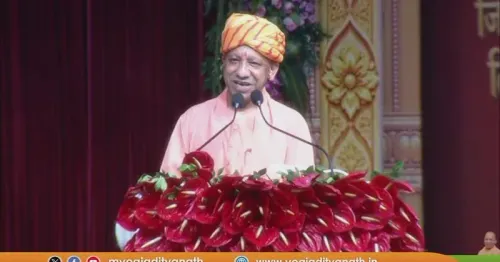
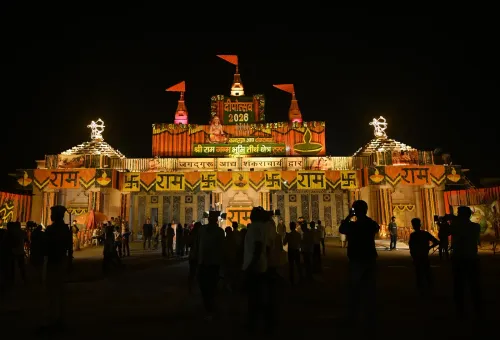
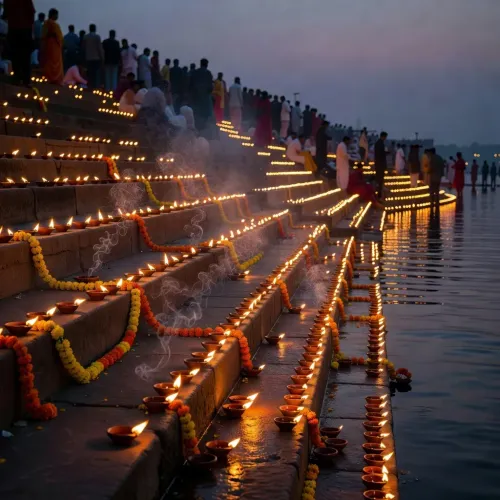
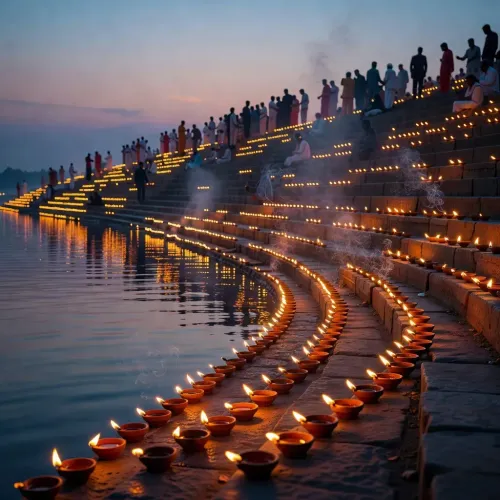
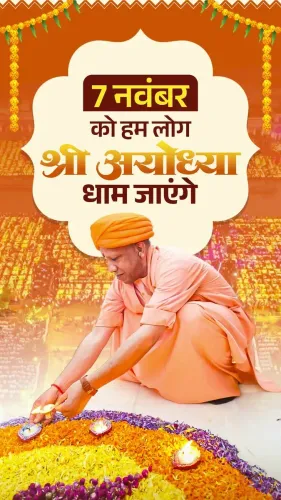
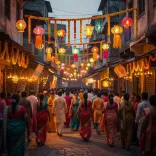
A city that has been counting its Deepotsavs like milestones reached its tenth on Saturday, 7 November 2026, as Ayodhya Dham lit up for what the Uttar Pradesh government has billed a grand commemorative celebration of Lord Ram's homecoming and coronation. The Chief Minister's Office of Uttar Pradesh extended a formal welcome to Vice President of India C.P. Radhakrishnan, who attended the ceremony as the guest of honour, with Chief Minister Yogi Adityanath greeting him on behalf of the state government and Ram devotees across the country.
The CMO's post, in Hindi, read: 'Deepotsav ke 10ve sanskaran ke avsar par... Bharat ke manniya Uprashtrapati Shri C.P. Radhakrishnan ji ka... hriday se swagat evam abhinandan!' — 'On the occasion of the 10th edition of Deepotsav... a heartfelt welcome and felicitation to the Hon'ble Vice President of India, Shri C.P. Radhakrishnan, who graced the grand ceremony organised at Shri Ayodhya Dham to keep alive the memories of Lord Ram's arrival and coronation.'
A Decade of Deepotsav: How Ayodhya Built a Festival From Scratch
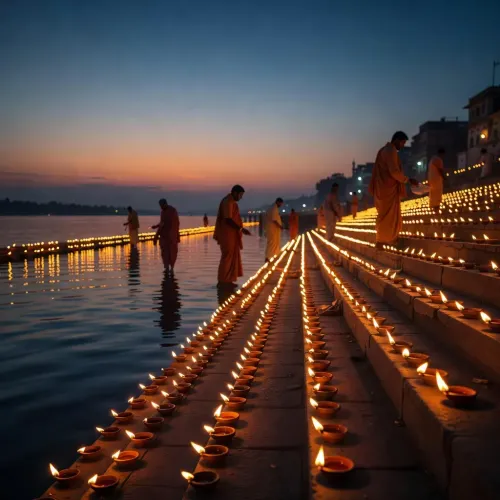
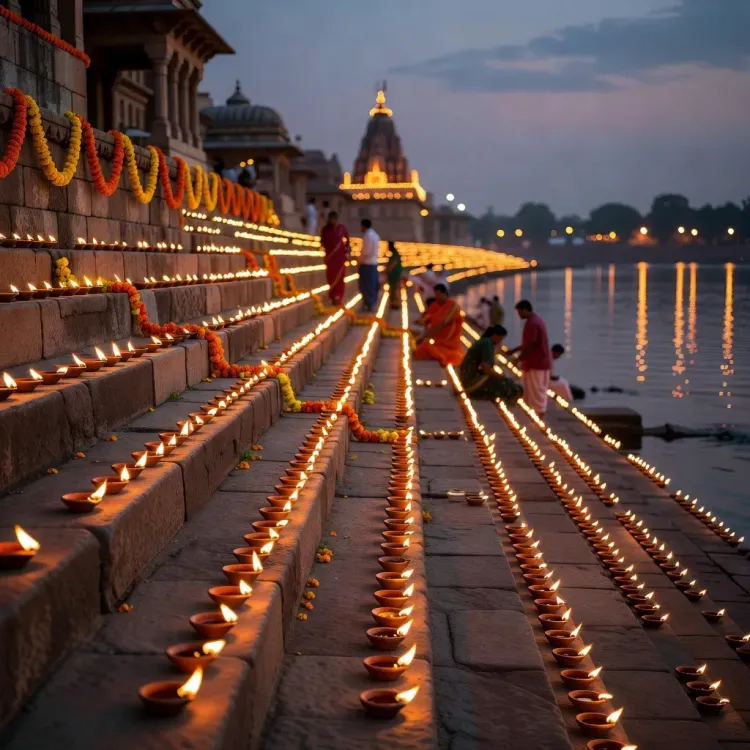
The first Deepotsav was held in 2017, the year Chief Minister Yogi Adityanath took office, as a state-backed effort to revive and formalise the cultural traditions rooted in the Ramayana. What began as a symbolic gesture of reclaiming Ayodhya's religious identity has, over nine successive editions, grown into one of India's most-watched annual festivals of lights. Each year has layered on spectacle, scale, and infrastructure — the ghats along the Saryu river, the lanes around the Ram Mandir site, and the city's pilgrimage corridors have all seen parallel upgrades timed to the event.
The tenth edition carries the hashtag #Deepotsav1Dasak — marking one full decade — a milestone the state government has clearly chosen to mark with constitutional weight, bringing in the Vice President as the centrepiece dignitary.
VP Radhakrishnan's Presence and What It Signals
The participation of Vice President C.P. Radhakrishnan elevates this year's Deepotsav beyond a state cultural event into a national-level observance. His attendance signals the Union government's continued alignment with Ayodhya's positioning as a premier pilgrimage and heritage destination. For the Yogi administration, hosting a constitutional head at a festival it founded is both a validation of the event's decade-long journey and a statement of Ayodhya's growing stature on India's cultural map.
The Uttar Pradesh government has consistently used Deepotsav as a platform to project Ayodhya's transformation — from a town of historical and religious significance to a fully developed pilgrimage economy with modern infrastructure. The tenth edition, with the Vice President in attendance, is the clearest expression yet of that ambition reaching the national stage.
Ten editions in, Deepotsav is no longer just a festival — it is a policy statement, an annual proof of concept, and now, with a decade behind it, a tradition in its own right. The question for 2027 is simply: how much bigger can Ayodhya's light burn?
Point of View
The milestone reinforces his government's decade-long strategy of using cultural statecraft to anchor Uttar Pradesh's political and economic identity around Ayodhya. The event also fits a broader pattern of the Union and state governments jointly projecting religious heritage sites as drivers of tourism-led growth. With the Ram Mandir now operational and pilgrim footfall rising, Deepotsav's tenth edition is as much an economic inflection point as a cultural one.
NationPress
7 Nov 2026
Frequently Asked Questions
What is Deepotsav in Ayodhya?
Deepotsav is an annual festival of lights held in Ayodhya, Uttar Pradesh, to commemorate Lord Ram's return to Ayodhya and his coronation. It was launched by the Yogi Adityanath government in 2017 and has grown into one of India's largest state-organised cultural events.
When did Deepotsav 2026 take place?
The 10th edition of Deepotsav was held on 7 November 2026 at Ayodhya Dham, Uttar Pradesh.
Who attended Deepotsav 2026 as the chief guest?
Vice President of India C.P. Radhakrishnan attended the grand Deepotsav ceremony in Ayodhya as the chief guest, welcomed by Chief Minister Yogi Adityanath.
How many editions of Deepotsav have been held?
The 2026 edition is the 10th , marking a full decade since the first Deepotsav was organised in Ayodhya in 2017 under CM Yogi Adityanath's government.
Why does the UP government organise Deepotsav every year?
The Uttar Pradesh government uses Deepotsav to revive Ramayana-linked cultural traditions, promote Ayodhya as a premier pilgrimage destination, and drive religious tourism alongside infrastructure development around the Ram Mandir and Saryu ghats.