CMFRI scientists reach 1,500 farmers under Khet Bachao Abhiyan drive
Synopsis
A fisheries research institute is quietly reshaping how Indian farmers think about soil — CMFRI's Khet Bachao Abhiyan push has brought seaweed bio-fertilisers, fish-waste manure, and Black Soldier Fly solutions to 1,500 farmers across five states, making a compelling case that the ocean holds answers to India's farm soil crisis.
Key Takeaways
CMFRI scientists engaged more than 200 farmers in Kochi under the nationwide Khet Bachao Abhiyan .
The campaign has reached nearly 1,500 farmers across 12 districts in Kerala, Tamil Nadu, Karnataka, Andhra Pradesh, and Gujarat over two months.
Technologies showcased include seaweed-based bio-fertilisers , 'Fishliser' (organic manure from fish waste), and Black Soldier Fly (BSF) -based solutions.
CMFRI Director Dr Grinson George said marine and biological resources can reduce dependence on chemical inputs.
Teams have also visited around 30 farming villages in Kerala to promote responsible fertiliser use.
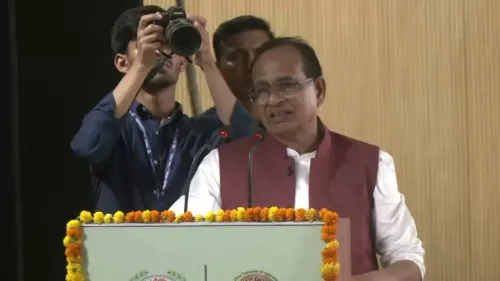
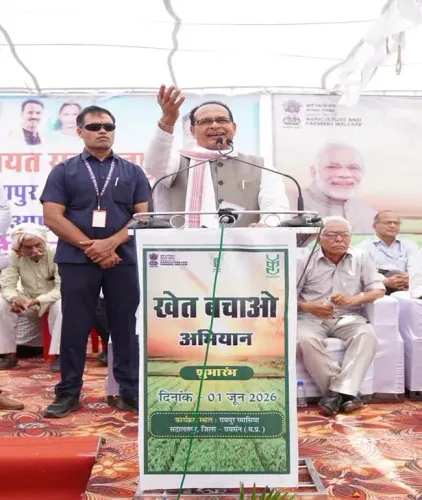
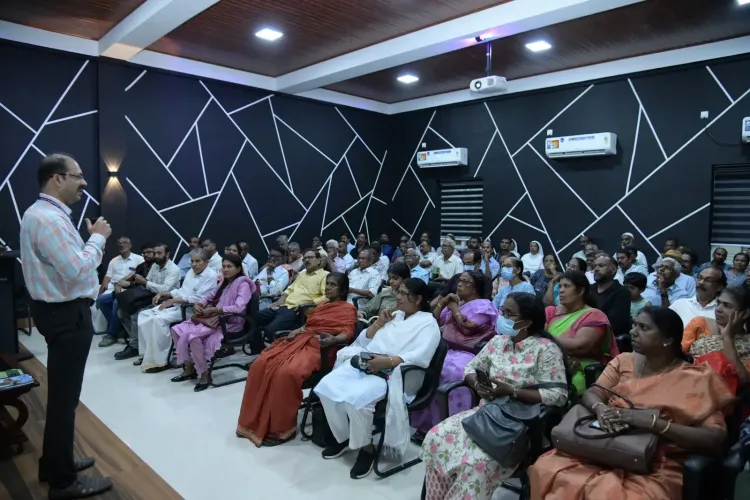
ICAR-Central Marine Fisheries Research Institute (CMFRI) scientists have engaged with more than 200 farmers in Kochi as part of the nationwide Khet Bachao Abhiyan, urging a shift towards balanced fertiliser use and natural farming to counter mounting soil degradation from excessive chemical inputs. The outreach is part of a broader campaign that has so far covered nearly 1,500 farmers across 12 districts in five states over the past two months.
What the Programme Covered
The awareness sessions focused on the cascading consequences of indiscriminate fertiliser use — from disrupted soil nutrient balance to contamination of water bodies and aquatic ecosystems. Experts at the event warned that overdependence on synthetic chemical inputs is also contributing to greenhouse gas emissions and wider ecological damage.
Dr K.S. Karthika, senior scientist and soil expert at CMFRI, said: 'Excessive fertiliser application affects soil quality and also impacts aquatic ecosystems through nutrient runoff and environmental degradation.'
Marine-Derived Technologies on Display
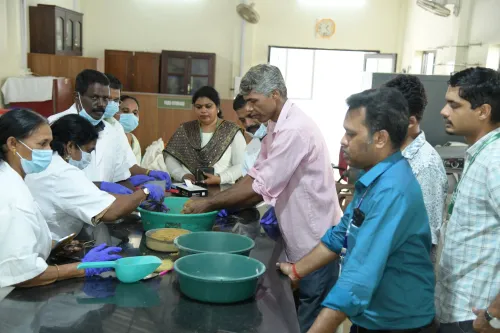
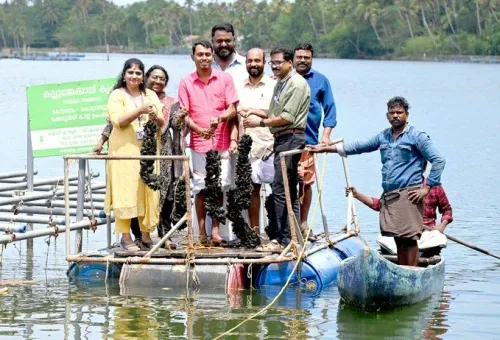
CMFRI showcased a suite of indigenous innovations designed to support sustainable agriculture and a circular bioeconomy. These included seaweed-based bio-fertilisers and biostimulants, 'Fishliser' — an organic manure derived from fish waste — and solutions based on Black Soldier Fly (BSF) for recycling biological resources. BSF larvae were also demonstrated as an alternative fish feed and a tool for organic waste management.
Farmers attending the programme were provided BSF fertiliser and larvae as part of the initiative, giving them hands-on access to the alternatives being promoted.
What the CMFRI Director Said
CMFRI Director Dr Grinson George said the institute's technologies could meaningfully improve soil health while supporting environmentally responsible farming systems. 'Marine and biological resources can provide sustainable alternatives that reduce dependence on chemical inputs and strengthen natural farming practices,' he said.
Scale and Reach of the Campaign
Beyond the Kochi event, CMFRI teams have visited approximately 30 farming villages in Kerala and conducted outreach across Kerala, Tamil Nadu, Karnataka, Andhra Pradesh, and Gujarat. The campaign comes at a time of growing policy focus on reducing agricultural input costs, restoring soil fertility, and building climate-resilient farming systems — priorities that have gained urgency as input price pressures squeeze farm incomes nationwide.
With the Khet Bachao Abhiyan still ongoing, CMFRI's marine-science-backed approach to soil and water conservation represents an uncommon but increasingly relevant intersection of fisheries research and agrarian welfare.
Point of View
But the real question is whether these indigenous technologies can scale beyond awareness camps into actual farm adoption. India's fertiliser subsidy architecture still heavily incentivises chemical use; without structural reform there, even the best bio-alternatives risk remaining demonstration projects. The five-state reach in two months is promising, but 1,500 farmers is a fraction of the millions still locked into chemical dependency.
NationPress
22 Sept 2026
Frequently Asked Questions
What is the Khet Bachao Abhiyan?
Khet Bachao Abhiyan is a nationwide campaign aimed at protecting farmland from soil degradation caused by excessive chemical fertiliser use. It promotes balanced fertiliser application and a transition towards natural and sustainable farming methods.
What role is CMFRI playing in the Khet Bachao Abhiyan?
ICAR-CMFRI is conducting farmer outreach sessions and showcasing marine-derived agricultural technologies such as seaweed bio-fertilisers, Fishliser (fish-waste manure), and Black Soldier Fly-based solutions. The institute has reached nearly 1,500 farmers across 12 districts in five states over two months.
Which states has the CMFRI campaign covered?
CMFRI scientists have conducted outreach across Kerala, Tamil Nadu, Karnataka, Andhra Pradesh, and Gujarat, covering 12 districts and approximately 30 farming villages in Kerala alone.
Why is excessive fertiliser use a concern for aquatic ecosystems?
According to CMFRI senior scientist Dr K.S. Karthika, excessive fertiliser application leads to nutrient runoff into water bodies, harming aquatic ecosystems and contributing to environmental degradation, greenhouse gas emissions, and loss of biodiversity.