Rijiju Backs Soil Testing to Cut Fertiliser Waste
Synopsis
Union Minister Kiren Rijiju has urged Indian farmers to apply fertilisers solely on the basis of soil testing, warning that untested use destroys farmland. The appeal, made under #KhetBachaoAbhiyan ahead of Kharif 2026 sowing, reinforces the Central government's decade-long push for balanced, cost-effective crop nutrition.
Key Takeaways
Kiren Rijiju posted on June 1, 2026 urging farmers to use fertilisers only after soil testing.
The hashtag #KhetBachaoAbhiyan frames the appeal as part of a broader farm-protection campaign.
The Soil Health Card Scheme , launched in February 2015 , provides crop-specific fertiliser recommendations based on soil nutrient reports.
Balanced fertilisation lowers per-acre input costs and prevents long-term soil degradation.
State agriculture departments are expected to intensify soil-testing drives ahead of the Kharif 2026 sowing season.
India's annual fertiliser subsidy bill runs into tens of thousands of crore rupees, making need-based application a fiscal priority as well.
Union Parliamentary Affairs Minister Kiren Rijiju on Monday, June 1, 2026 called on farmers across India to apply fertilisers only on the basis of soil testing, warning that untested chemical use risks destroying agricultural land. The appeal, posted on his official X account under the hashtag #KhetBachaoAbhiyan, urges balanced crop nutrition and cost reduction as the 2026 Kharif sowing season approaches.
Context
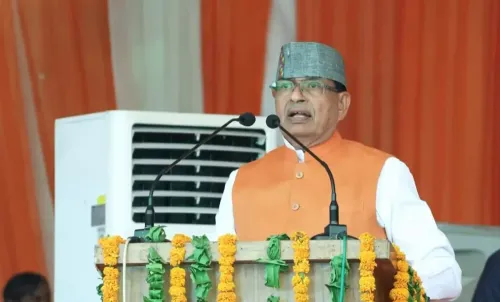
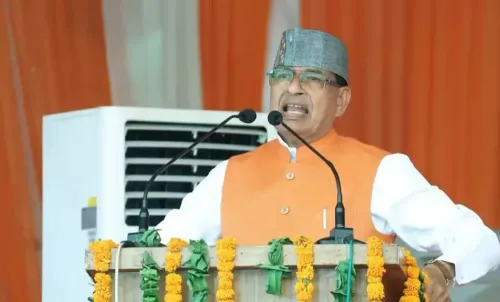
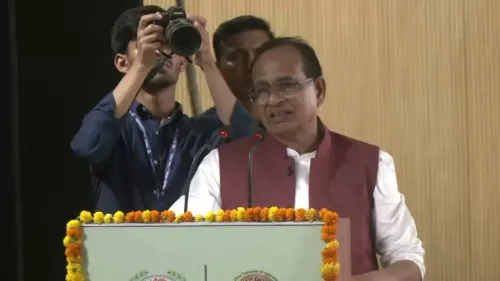
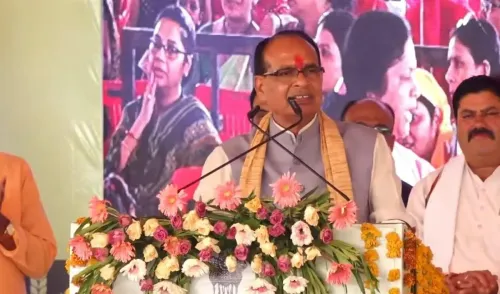
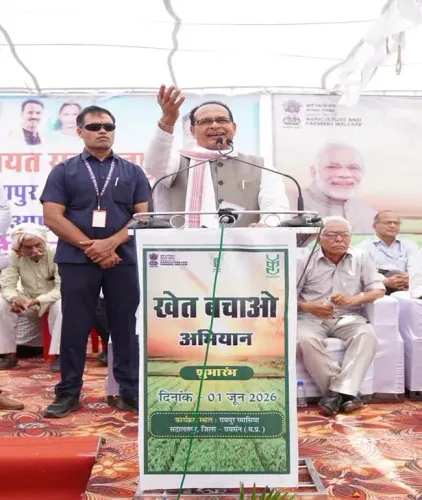
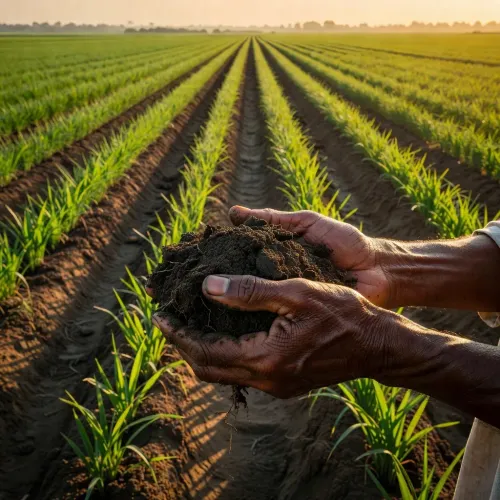
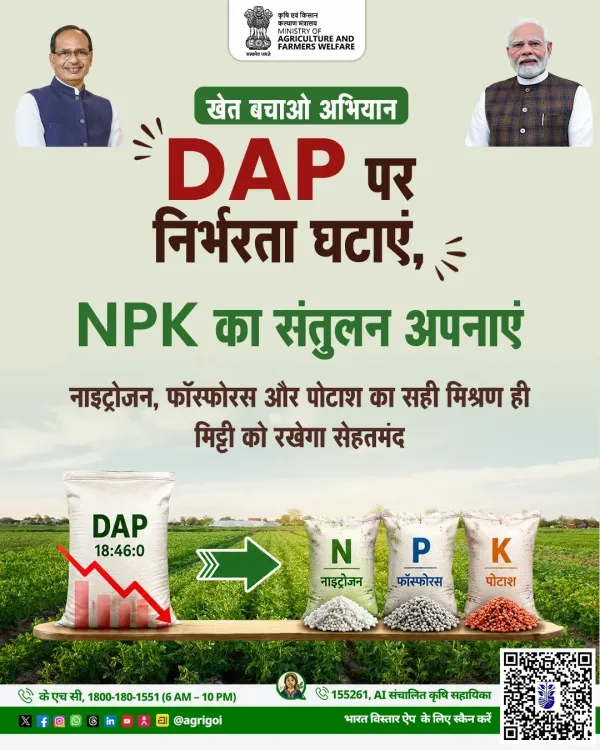
Rijiju's post, written in Hindi, carries a pointed advisory: 'Bina jaanch ke khaad, kheti ko karega barbaad!' ('Fertiliser without testing will destroy farming!'). He urged farmers to provide inputs 'kewal mitti parikshan ke aadhar par' — only on the basis of soil testing — and to adopt balanced nutrition practices to bring down cultivation costs. The message was accompanied by four images, underscoring its public-outreach character.
The appeal comes as India's Kharif sowing window opens with the onset of the southwest monsoon, a period when fertiliser procurement decisions are made at the farm level. Indiscriminate application of urea and other nutrients at this stage has long been identified by agronomists as a driver of both cost inflation and soil degradation.
Policy Backdrop
The Soil Health Card Scheme, launched in February 2015, is the Central government's flagship instrument for addressing exactly this problem. The scheme provides farmers with individualised reports on soil nutrient levels and crop-specific fertiliser recommendations, enabling targeted rather than blanket application. Over the past decade, successive budget cycles have sought to expand soil-testing laboratories and digital advisory platforms at the district level.
Rijiju's post fits squarely within this decade-long policy arc. By invoking soil testing as the non-negotiable basis for fertiliser use, the minister reinforces a message that the government has been pushing since 2015: that sustainable agriculture and lower input costs are two sides of the same coin. State agriculture departments are expected to intensify soil-testing drives ahead of the Kharif season in parallel with such outreach.
Stakeholders and Impact
Indian farmers — particularly smallholders who rely heavily on chemical fertilisers and have limited access to extension services — are the primary audience. Excessive and untested fertiliser use raises per-acre input costs while progressively degrading soil organic matter, reducing long-term productivity. Balanced fertilisation, guided by soil health data, can meaningfully lower the cost of cultivation per quintal of output.
The fertiliser subsidy bill, which runs into tens of thousands of crore rupees annually for the Central government, is also indirectly linked to consumption patterns at the farm level. A shift toward need-based application, if achieved at scale, would moderate subsidy demand while improving agronomic outcomes — a dual fiscal and environmental benefit.
What's Next
State agriculture departments are expected to ramp up soil-testing camps and mobile laboratory services as the Kharif 2026 season progresses. The monsoon session of Parliament may also see related questions or supplementary demands for grants linked to soil-health infrastructure funding. Rijiju's social-media push adds political visibility to what has largely been a technical extension-services campaign, potentially accelerating state-level action ahead of the sowing deadline.
Point of View
Not a resolved one. The timing — at the cusp of Kharif sowing — is deliberate, targeting the precise window when input decisions are made. By tying the message to cost reduction rather than environmental rhetoric, Rijiju frames sustainable agriculture in terms farmers and rural voters respond to most directly. The post also keeps the decade-old Soil Health Card Scheme politically alive at a moment when its ground-level adoption remains uneven across states.
NationPress
15 Oct 2026
Frequently Asked Questions
What is the #KhetBachaoAbhiyan campaign about?
#KhetBachaoAbhiyan is a social-media campaign hashtag used to promote farm-protection practices; in this instance, Union Minister Kiren Rijiju used it to urge farmers to apply fertilisers only after soil testing and adopt balanced crop nutrition to lower costs. Its official scope and any government-backed programme linked to it have not been formally announced.
What is the Soil Health Card Scheme?
The Soil Health Card Scheme is a Central government initiative launched in February 2015 that provides farmers with individualised reports on soil nutrient status and crop-specific fertiliser recommendations, enabling targeted rather than indiscriminate chemical application.
Why is soil testing important before applying fertilisers?
Soil testing identifies the exact nutrient levels present in a given plot, allowing farmers to apply only what is deficient. This prevents over-application, which raises input costs, harms soil biology, and reduces long-term productivity.
How does balanced fertiliser use reduce farming costs?
When fertilisers are applied based on actual soil nutrient gaps rather than habit or guesswork, farmers avoid purchasing and spreading excess chemicals. This directly lowers per-acre input expenditure and can improve yield quality, reducing the cost per quintal of output.
What happens to Indian soil when fertilisers are used without testing?
Repeated untested fertiliser use leads to nutrient imbalances — often excess nitrogen and deficiency in micronutrients — which degrade soil organic matter, reduce microbial activity, and progressively lower the land's productive capacity over successive seasons.