CMO Maharashtra issues heavy rain alert for July 29-31

Synopsis
The Chief Minister's Office of Maharashtra has issued a detailed public advisory warning of moderate to heavy rainfall across Vidarbha, Khandesh, North Marathwada, Konkan, and Mumbai between July 29-31, driven by a Bay of Bengal low-pressure system, with risks of flooding, landslides, and traffic disruption.
Key Takeaways
A Bay of Bengal low-pressure belt is forecast to bring moderate to heavy rainfall across Maharashtra from 29 to 31 July 2026 .
Vidarbha (especially eastern districts) faces the highest risk on 29 July ; the system moves toward West Vidarbha, Khandesh, North Marathwada, Central Maharashtra ghats, and Konkan on 30 July .
Mumbai, Raigad, Thane, and Palghar are flagged for intensifying rain on 30 and 31 July .
Risks include waterlogging, river flooding, structural damage, traffic disruption, and landslides in ghat areas .
The Maharashtra Disaster Management Department has urged citizens to take precautions and contact local administration in emergencies.
Residents near low-lying areas, rivers, and ghat roads are specifically advised to exercise heightened caution.
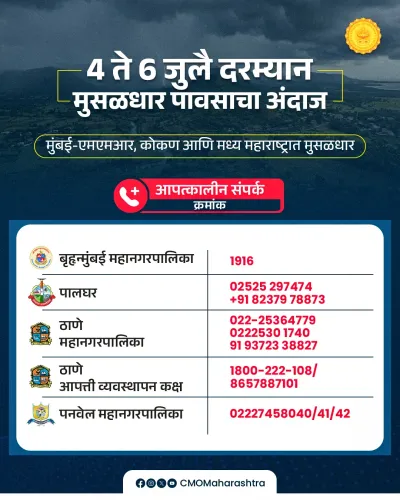
A low-pressure belt pushing in from the Bay of Bengal is set to drench large swathes of Maharashtra between 29 and 31 July 2026 — and the Chief Minister's Office of Maharashtra is not waiting for the first cloudburst to warn residents. The office has issued a detailed, region-by-region public advisory urging citizens in vulnerable zones to stay alert and exercise caution on ghat roads, riverbanks, and low-lying areas.
Where the rain hits hardest, and when
The advisory maps the system's movement day by day. On 29 July, the low-pressure belt's impact will be felt primarily in Vidarbha — especially its eastern districts. By 30 July, the influence spreads westward, covering West Vidarbha, Khandesh, North Marathwada, the ghat belt of Central Maharashtra, and Konkan. On 31 July, parts of Khandesh and the Central Maharashtra ghats remain in the rain shadow of the system.
Mumbai and the Mumbai Metropolitan Region are flagged for intensifying rainfall on 30 and 31 July. The districts of Raigad, Thane, and Palghar are singled out for particularly heavy intensity on 30 July.
Landslides, flooding, and disrupted movement
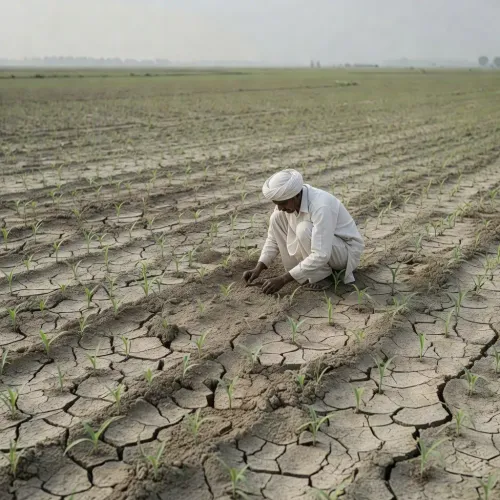
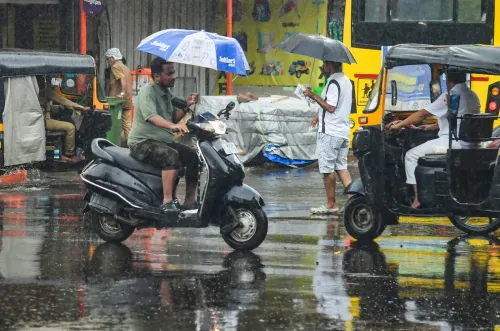
The CMO advisory does not soften the risks. Waterlogging in low-lying areas, flooding of rivers and streams, structural damage, and traffic disruption are all listed as possibilities during this window. In the ghat regions of Central Maharashtra, landslides are explicitly flagged as a concern — a hazard that has claimed lives in prior monsoon seasons across the same terrain.
Residents of Vidarbha, North Marathwada, Khandesh, and the Central Maharashtra ghats are specifically asked to remain on alert. The advisory calls for extra caution while travelling on ghat roads and near river channels, and asks citizens to contact local administration in any emergency.
Maharashtra's monsoon warning system in action
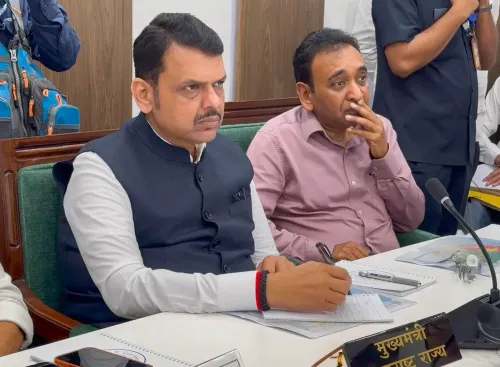
The Maharashtra Disaster Management Department has issued the public appeal for precautionary measures — a standard but critical step in the state's pre-monsoon communication protocol. Maharashtra authorities routinely push region-specific weather advisories ahead of low-pressure systems during the June–September monsoon window, coordinating with meteorological inputs to reduce casualties and property damage. Chief Minister Devendra Fadnavis's office amplifying the advisory on social media reflects the state's practice of using official digital channels to reach the widest possible audience before a weather event peaks.
With the system expected to intensify over the next 72 hours, district-level control rooms across the flagged regions are likely to be placed on standby. Residents are advised to monitor updates from local administration and avoid unnecessary travel through ghat passes and flood-prone river corridors.
Point of View
Specific, and geographically granular warnings can meaningfully reduce casualties when a low-pressure system moves through densely populated or topographically vulnerable terrain. The CMO's decision to issue a day-by-day regional breakdown, rather than a generic statewide alert, signals a more operationally mature disaster communication approach. For the Fadnavis government, monsoon management carries direct political stakes: Maharashtra's ghat regions and Vidarbha have historically recorded fatalities during similar weather events. How effectively district administrations translate this advisory into on-ground readiness will be the real test.
NationPress
28 Jul 2026
Frequently Asked Questions
Which districts in Maharashtra will get heavy rain between July 29-31?
Vidarbha (especially eastern districts on July 29), West Vidarbha, Khandesh, North Marathwada, the ghat belt of Central Maharashtra, Konkan, and the Mumbai Metropolitan Region including Raigad, Thane, and Palghar are all flagged for heavy to very heavy rainfall during this period.
Why is Maharashtra expecting heavy rain from July 29 to 31?
A low-pressure system originating in the Bay of Bengal is moving across the region, intensifying monsoon rainfall across multiple divisions of Maharashtra over those three days.
What should residents do during the Maharashtra heavy rain alert?
Residents in Vidarbha, Khandesh, North Marathwada, and ghat areas should avoid travel on ghat roads and near rivers, stay away from low-lying zones prone to waterlogging, and contact local administration in any emergency.
Is Mumbai at risk during the July 29-31 rain forecast in Maharashtra?
Yes. Mumbai and the Mumbai Metropolitan Region are expected to see intensifying rainfall on July 30 and 31, with Raigad, Thane, and Palghar districts facing particularly heavy intensity on July 30.
Which government body issued the Maharashtra monsoon warning?
The advisory was issued by the Chief Minister's Office of Maharashtra and the Maharashtra Disaster Management Department, urging citizens across vulnerable regions to take precautionary measures.