Coal Minister Kishan Reddy Hails PM Modi's New Zealand Visit
Synopsis
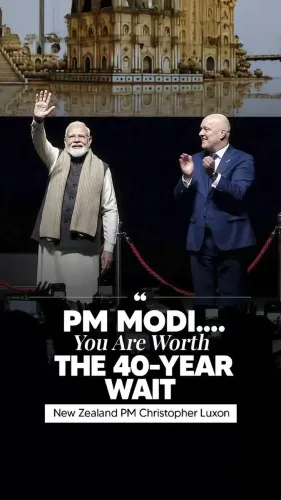
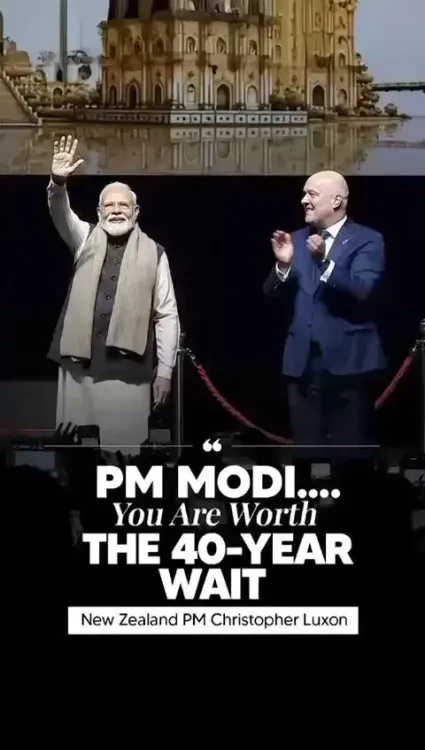
Union Minister G. Kishan Reddy has welcomed PM Narendra Modi's visit to New Zealand, describing it as a historic first by an Indian Prime Minister in nearly four decades. The visit is seen as a milestone in India's Indo-Pacific outreach and could revive stalled trade and cooperation talks between the two nations.
Key Takeaways
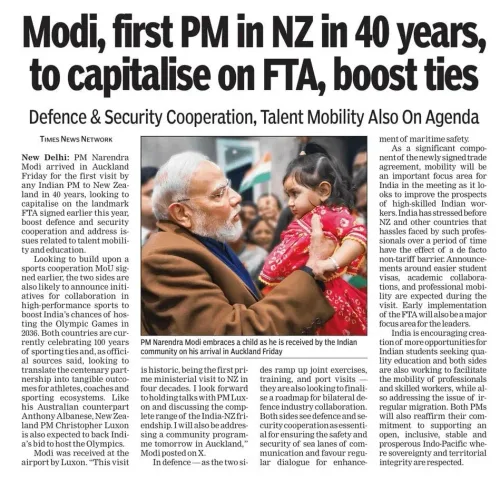
Kishan Reddy , Union Coal and Mines Minister and BJP Telangana president, hailed PM Modi 's New Zealand visit on 11 July 2026 as 'a historic moment.' The visit is described as the first by an Indian Prime Minister to New Zealand in nearly four decades.
India and New Zealand have maintained diplomatic relations since 1952 , but prime ministerial engagement has been rare.
Both countries launched Comprehensive Economic Partnership Agreement (CEPA) negotiations around 2010 ; a final deal remains pending.
The visit aligns with India's broader Act East and Indo-Pacific engagement strategy targeting smaller Pacific partners.
Key stakeholder groups watching outcomes include the Indian diaspora in New Zealand, trade negotiators, and defence officials.
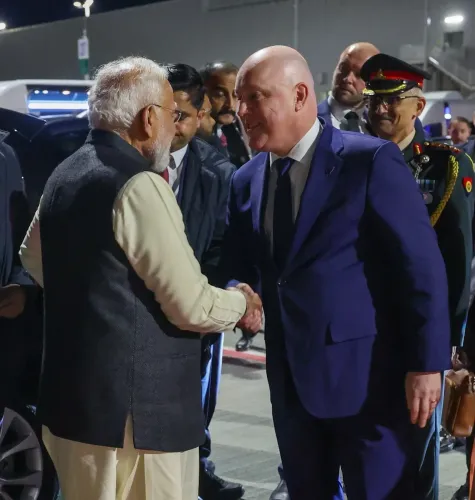
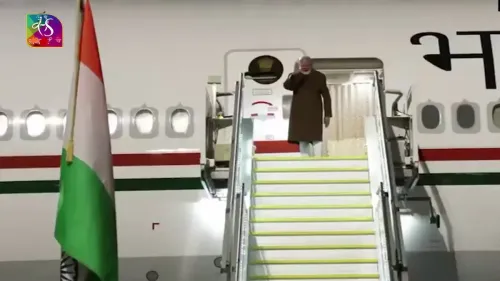
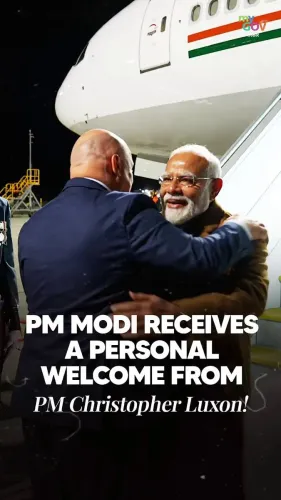
Union Coal and Mines Minister G. Kishan Reddy on Saturday, 11 July 2026 welcomed Prime Minister Narendra Modi's arrival in New Zealand, calling it 'a historic moment' that marks the first visit by an Indian Prime Minister to the Pacific nation in nearly four decades. Reddy, who also serves as BJP Telangana state president, posted on X to describe the visit as the opening of 'a new chapter in India–New Zealand relations.'
Context
India and New Zealand have maintained formal diplomatic ties since 1952, but high-level prime ministerial engagement between the two countries has been rare. The gap of nearly four decades since the last such visit underscores the significance that both governments and observers are attaching to the current trip. Reddy's post noted that Modi received 'a warm welcome,' signalling a positive bilateral atmosphere ahead of substantive talks.
The visit is being framed by Indian officials as a reflection of India's 'growing global stature' — language consistent with New Delhi's broader foreign-policy messaging around multi-alignment and Indo-Pacific outreach.
Policy Backdrop
India has steadily deepened its engagement across the Indo-Pacific over the past decade, with high-level visits to smaller Pacific partners forming part of its extended Act East strategy. New Zealand fits into this arc as a stable democratic partner with shared interests in a rules-based regional order. The two countries launched negotiations toward a Comprehensive Economic Partnership Agreement (CEPA) around 2010, though a final deal has remained pending.
A prime ministerial visit of this nature typically provides political momentum to stalled trade and investment frameworks. Defence and maritime cooperation, education exchanges involving the large Indian diaspora in New Zealand, and technology partnerships are among the areas where officials on both sides have previously signalled interest in expanding ties.
Stakeholders and Impact
The Indian diaspora in New Zealand — one of the fastest-growing communities in the country — stands to benefit from any agreements on mobility, education recognition, or skilled-worker pathways that may emerge from the visit. Trade negotiators on both sides will be watching for any fresh impetus to the long-pending CEPA discussions. Defence and security officials are equally attentive, given the broader Indo-Pacific strategic context in which the visit is taking place.
For the BJP domestically, a high-profile foreign visit by PM Modi reinforces the party's narrative of India's rising international standing — a theme that ministers including Reddy have consistently amplified through social media.
What's Next
The outcomes of PM Modi's meetings in New Zealand — including any joint statements, MoUs, or framework agreements — will determine the tangible impact of this diplomatic milestone. Follow-up action on trade liberalisation, defence cooperation, and people-to-people ties will be closely tracked by both governments. The visit's outcomes may also be referenced in upcoming multilateral forums such as the East Asia Summit, where India and New Zealand both participate. A durable upgrade to bilateral ties would require institutionalised follow-through beyond the symbolism of the visit itself.
Point of View
Amplified by senior ministers like G. Kishan Reddy, fits a deliberate pattern of India projecting diplomatic reach across the Indo-Pacific to audiences both abroad and at home. The nearly four-decade gap since the last such visit makes the optics significant, but the real test lies in whether the trip produces concrete deliverables — particularly on the long-stalled CEPA. For the BJP, high-profile foreign engagements serve a dual purpose: advancing strategic interests while reinforcing the domestic narrative of India as a rising global power. New Zealand, as a stable democratic partner in the Pacific, represents a relatively low-friction arena for India to demonstrate this multi-alignment approach.
NationPress
12 Jul 2026
Frequently Asked Questions
When did PM Modi visit New Zealand?
PM Modi visited New Zealand in July 2026 , with Union Minister G. Kishan Reddy confirming the visit on 11 July 2026 via a post on X.
How many years has it been since an Indian PM visited New Zealand?
According to G. Kishan Reddy's post, it had been nearly four decades since an Indian Prime Minister last visited New Zealand, making PM Modi's visit a rare diplomatic milestone.
What is the significance of PM Modi's New Zealand visit?
The visit is significant as it is the first Indian prime ministerial trip to New Zealand in nearly four decades, and is expected to give momentum to bilateral ties including trade, defence cooperation, and people-to-people links.
What trade agreement is pending between India and New Zealand?
India and New Zealand launched negotiations for a Comprehensive Economic Partnership Agreement (CEPA) around 2010 , but a final deal has not yet been concluded; the PM's visit could revive those talks.
Who is G. Kishan Reddy?
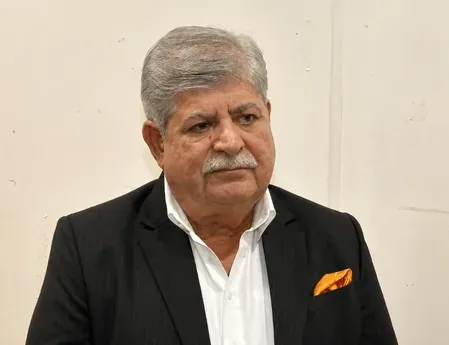
G. Kishan Reddy is India's Union Minister of Coal and Mines and the president of the BJP's Telangana state unit . He posted about PM Modi's New Zealand visit on X on 11 July 2026.