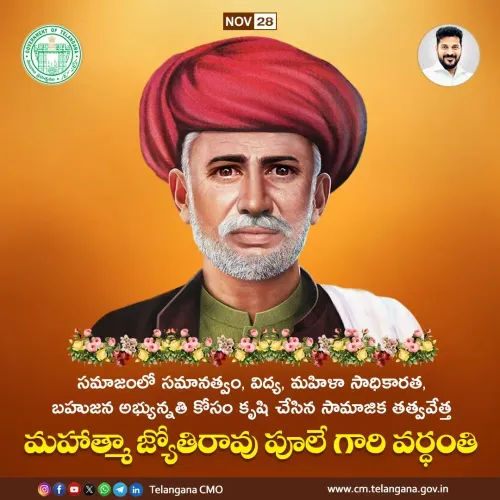
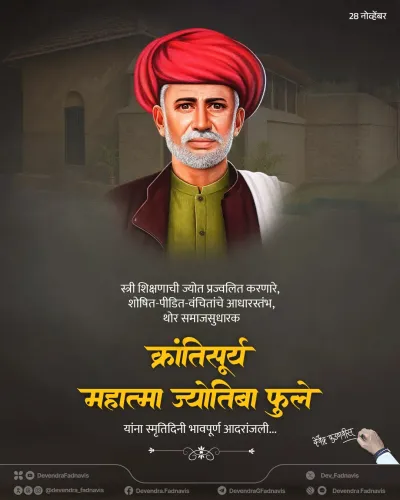
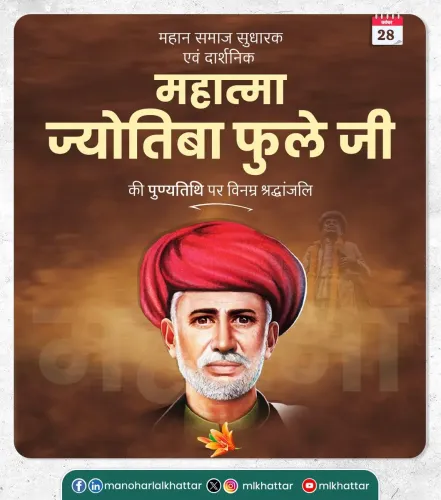
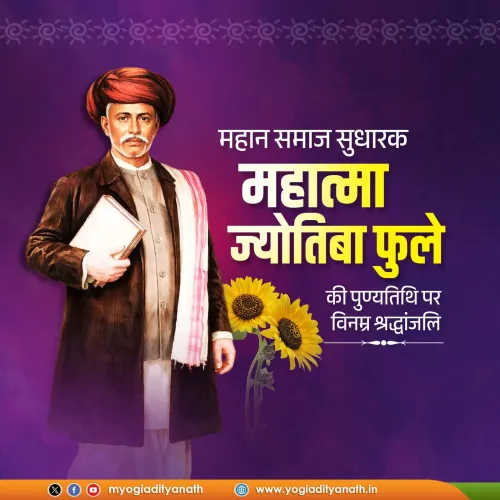
Coal Minister Reddy pays tribute to Jyotirao Phule
Synopsis
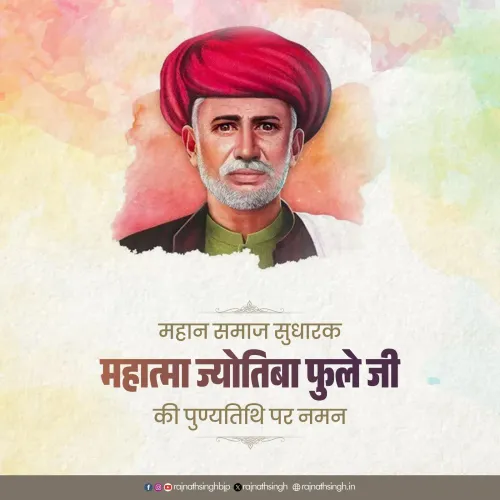
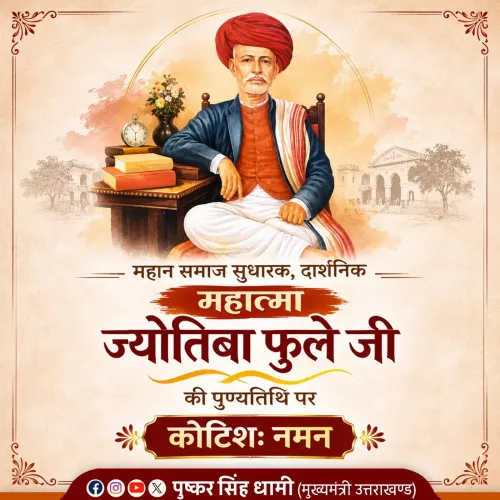
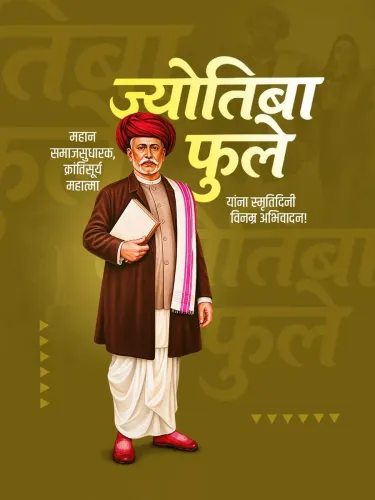
Union Coal and Mines Minister G. Kishan Reddy paid tributes to Mahatma Jyotirao Phule on his Punyatithi, praising the 19th-century reformer's fight against social discrimination and his work for education, women's empowerment and the rights of marginalised communities.
Key Takeaways
Union Coal and Mines Minister G.
Kishan Reddy paid tributes to Mahatma Jyotirao Phule on his Punyatithi on 28 November 2026 .
Reddy called Phule a pioneering social reformer and champion of equality who challenged social discrimination.
The minister highlighted Phule's work on education, women's empowerment and the rights of marginalised communities.
Phule, with Savitribai Phule, opened a pioneering girls' school in Pune in 1848 and founded the Satyashodhak Samaj in 1873 .
Phule died on 28 November 1890 ; leaders across parties routinely mark the anniversary.
On the death anniversary of one of India's fiercest 19th-century reformers, Union Coal and Mines Minister G. Kishan Reddy on Saturday paid humble tributes to Mahatma Jyotirao Phule, placing the champion of equality at the heart of the country's unfinished argument over caste, classrooms and social dignity.
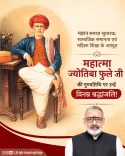
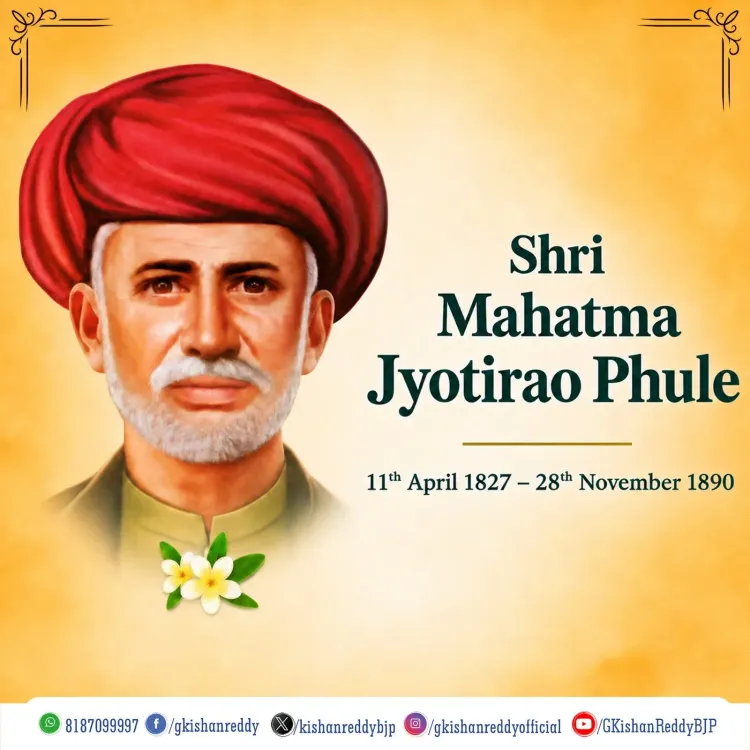
In a post on X, Reddy wrote: 'Paying humble tributes to Mahatma Jyotirao Phule Ji on his Punyatithi.' He called Phule a pioneering social reformer who dedicated his life to challenging social discrimination, and said Phule's unwavering commitment to education, women's empowerment and the rights of marginalised communities continues to inspire the pursuit of a just and inclusive society.
The Pune classrooms that broke caste barriers
Born in 1827 in present-day Maharashtra, Jyotirao Phule and Savitribai Phule opened one of India's first schools for girls in Pune in 1848. He later founded the Satyashodhak Samaj in 1873 to organise against caste hierarchy and priestly monopoly.
Those campaigns — girls' education, the dignity of so-called lower castes, and a direct challenge to social discrimination — still supply the language of social justice in Indian public life. Reddy, who is also BJP Telangana state president, framed Saturday's remembrance around exactly those three planks.
A shared date on the political calendar
Indian ministers and political leaders from multiple parties routinely issue public tributes on the death anniversaries of 19th-century reformers such as Phule. His Punyatithi falls on 28 November, the day he died in 1890.
The annual messages rarely announce new schemes. They do, however, keep Phule's name inside the live vocabulary of education, women's empowerment and the rights of the marginalised — the constituencies every national party now claims.
A century and a half after that first classroom in Pune, the Punyatithi tribute is a reminder that Phule's agenda is still unfinished business.
Point of View
Not the property of any one party. By tying Phule to education, women's empowerment and the marginalised, Reddy placed a Union coal-and-mines minister inside the social-justice vocabulary that every national formation now treats as mandatory. The ceremonial register does not settle the harder question of how those 19th-century demands show up in contemporary policy. The test in the weeks ahead is whether remembrance is followed by any state or central events that actually mark the social-reform calendar.
NationPress
28 Nov 2026
Frequently Asked Questions
When is Jyotirao Phule Punyatithi?
Mahatma Jyotirao Phule's Punyatithi falls on 28 November, the date of his death in 1890. Union Coal and Mines Minister G. Kishan Reddy marked the day in 2026 with a public tribute on X.
Who was Mahatma Jyotirao Phule?
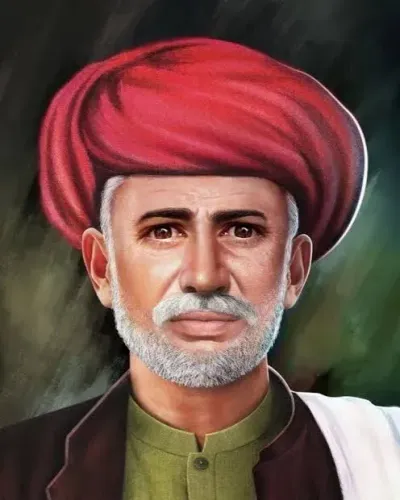
Jyotirao Phule was a 19th-century social reformer from Maharashtra who campaigned against caste discrimination and advocated education for girls. He founded the Satyashodhak Samaj in 1873 and, with Savitribai Phule, opened a pioneering school for girls in Pune.
What did G Kishan Reddy say on Phule Punyatithi?
Reddy paid humble tributes and called Phule a pioneering social reformer and champion of equality. He said Phule's commitment to education, women's empowerment and the rights of marginalised communities continues to inspire a just and inclusive society.
What is Satyashodhak Samaj?
Satyashodhak Samaj, or Truth-Seekers' Society, was founded by Jyotirao Phule in 1873. It organised against caste hierarchy and sought education and rights for communities excluded from ritual and social privilege.
Why do Indian leaders mark Phule Punyatithi?
Phule is widely remembered as a founder of anti-caste social reform and girls' education in modern India. Ministers and leaders across parties issue tributes each year as a way of claiming that reformist lineage.