How Can Community-Centric Micro Hospitals Combat India’s NCD Crisis?
Click to start listening
Synopsis
As India grapples with a surge in non-communicable diseases (NCDs), experts argue that community-centric micro hospitals could be the key to effective and timely healthcare, bridging the gap between specialists and patients. Discover how this innovative model is transforming health delivery.
Key Takeaways
- Micro hospitals can transform healthcare delivery in India.
- They provide coordinated care for non-communicable diseases.
- Addressing the trust gap between patients and providers is vital.
- Early intervention can prevent life-threatening emergencies.
- Improving accessibility and quality of care is crucial.
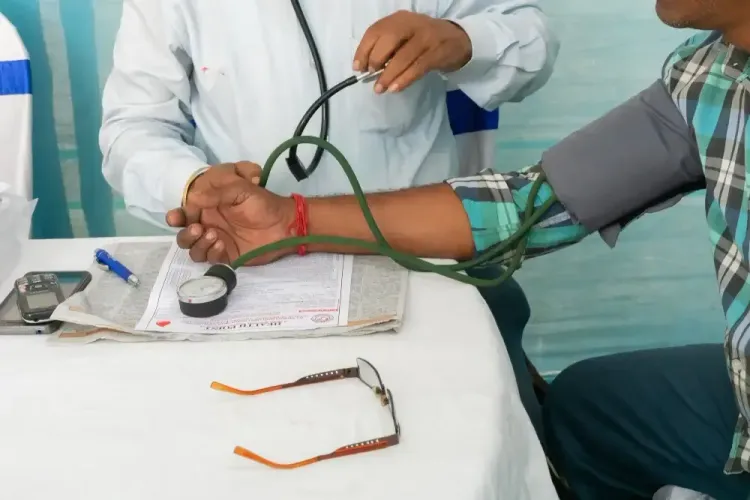
New Delhi, Dec 27 (NationPress) Micro hospitals are emerging as a vital solution to replace fragmented tertiary care models with specialist-led coordinated care and reduced wait times, playing a significant role in combating the escalating epidemic of non-communicable diseases (NCDs), as highlighted by experts on Saturday.
NCDs, including diabetes, hypertension, cancer, and obesity, impact over a million individuals in India and contribute to 63% of all fatalities, according to WHO statistics.
The increasing burden of NCDs is straining the healthcare system.
With a hospital bed density of just 0.55 per 1,000 people—well below the WHO's recommended 3 per 1,000—hospitals are overcrowded, leading to long wait times and inconsistencies in care quality.
“While India possesses an abundance of doctors and advanced technology, the critical gap lies in continuous, coordinated care. Large tertiary hospitals are primarily designed for acute crises, not the long-term, community-based management that NCDs necessitate,” remarked Dr. Jagdish Prasad, Former Director General of Health Services (DGHS), during the HEAL OneHealth Connect Series.
“The micro-hospital model represents a crucial structural adjustment, consolidating consultations, diagnostics, and follow-ups under one roof to rebuild the trust between patients and healthcare providers,” he added.
This innovative ‘Micro-Hospital’ model is designed to close the gap in accessibility and quality. Unlike conventional nursing homes, these are specialized facilities that provide comprehensive care—from advanced diagnostics to surgical procedures—within close proximity to residential areas.
This model alleviates the common issue of ‘patient shuffling’ that occurs when individuals are compelled to visit multiple laboratories and clinics for a single diagnosis.
“Patients are often overwhelmed by the scale and impersonal nature of large hospitals. Micro-hospitals restore the essentials—time, communication, and coordination—to ensure that care is not only efficient but also meaningful,” stated Dr. Mohsin Wali, Padma Shri Awardee and Senior Consultant at a prominent hospital in Delhi.
The micro-hospital framework can address patient needs in the early stages and offer specialized interventions before conditions escalate into life-threatening emergencies, according to experts.
Point of View
The emergence of micro hospitals in India represents a significant shift in healthcare delivery, emphasizing the need for personalized and accessible care. As the nation confronts the challenges posed by non-communicable diseases, this innovative model could foster a more resilient healthcare system, ensuring that quality care reaches every community.
NationPress
05/01/2026
Frequently Asked Questions
What are micro hospitals?
Micro hospitals are specialized healthcare facilities that provide comprehensive care, including consultations, diagnostics, and follow-ups, all under one roof. They aim to improve accessibility and quality of care in local communities.
How do micro hospitals address NCDs?
Micro hospitals offer coordinated care that focuses on managing non-communicable diseases effectively, preventing conditions from escalating into emergencies through early intervention and continuous patient management.
What is the impact of NCDs in India?
Non-communicable diseases significantly affect India's population, contributing to 63% of all deaths and putting immense pressure on the healthcare system due to inadequate resources and facilities.