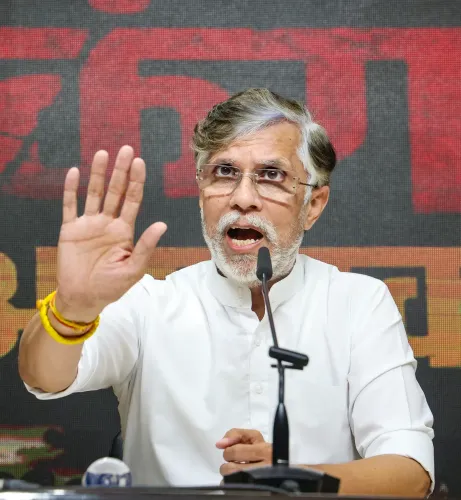
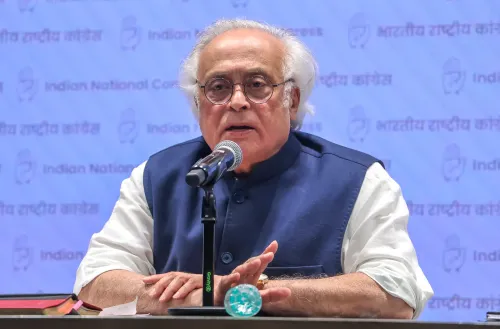
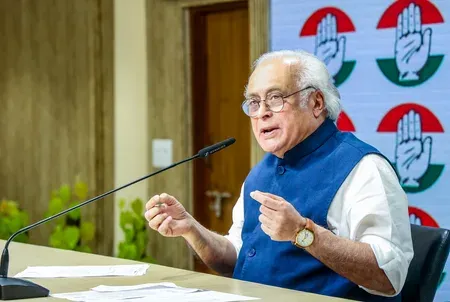
CBSE evaluation row: Congress demands Dharmendra Pradhan's resignation
Synopsis
Congress has escalated the CBSE On-Screen Marking controversy into a direct ministerial accountability battle — pointing to a little-noticed contractual manoeuvre in which CBSE removed its own right to blacklist vendors just months before awarding the contract to COEMPT. If the sequence holds up to scrutiny, it shifts the story from examination error to deliberate institutional cover.
Key Takeaways
Congress demanded the resignation of Union Education Minister Dharmendra Pradhan on 1 June over the CBSE OSM evaluation controversy.
Jairam Ramesh alleged that CBSE acknowledged the OSM system was 'compromised' after initially denying cybersecurity vulnerabilities.
CBSE's RFP of August 2025 reserved the right to blacklist underperforming vendors; a September 2025 corrigendum removed that clause before the contract was awarded to COEMPT .
Ramesh alleged the reversal amounted to a 'government-backed effort to protect COEMPT' and that insiders were aware of the firm's limitations before it was hired.
The controversy has affected lakhs of students whose answer-sheet revaluations were handled through the compromised system.
Congress on Monday, 1 June escalated its attack over the CBSE On-Screen Marking (OSM) system controversy, demanding the resignation of Union Education Minister Dharmendra Pradhan and questioning why the Board intends only to penalise — rather than blacklist — the contractor allegedly responsible for lapses in the answer-sheet evaluation process.
What Congress Said
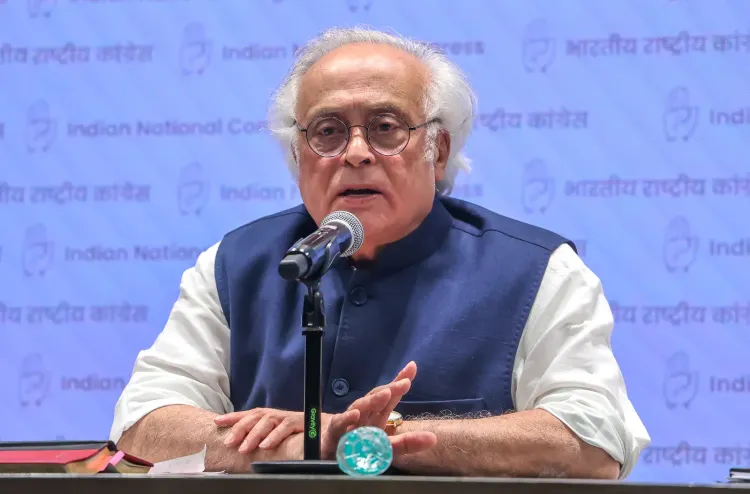
Congress General Secretary and communications in-charge Jairam Ramesh said in a post on X: 'After denying cybersecurity vulnerabilities in the On Screen Marking (OSM) system, CBSE has finally acknowledged that the system was compromised.' He named COEMPT as the contractor that carried out the process for the Board, and argued that the proposed penalty fell far short of accountability.
Ramesh added: 'It appears that those benefiting from COEMPT within CBSE and the Ministry of Education were already aware that COEMPT would not prove capable for this job.'
The Blacklisting Clause That Was Removed
At the centre of Congress's allegation is a contractual reversal. According to Ramesh, CBSE's Request for Proposal (RFP) of August 2025 had explicitly reserved the Board's right to blacklist vendors who failed to deliver. However, in September 2025, the Board issued a corrigendum removing that very clause.
'This seems like an incomprehensible, government-backed effort to protect COEMPT, which had begun even before COEMPT officially received the contract,' Ramesh said. The sequence, critics argue, raises questions about whether the safeguard was deliberately dismantled to shield a preferred vendor.
Demand for Minister's Resignation
Ramesh trained his sharpest criticism on Education Minister Dharmendra Pradhan, saying: 'How long will the country tolerate Minister Pradhan, whose ministry not only allowed such unimaginable irregularities in the tender process but also shielded them, forcing lakhs of students to pay the price by losing their mental peace?'
He described Pradhan as 'a living example of arrogance and incompetence, stubbornly prioritising his political agenda over his responsibility to the nation.' On the question of Prime Ministerial accountability, Ramesh said: 'The Prime Minister has never been known to hold himself or his colleagues accountable to any standards of ethics and integrity. But Minister Pradhan should resign to fulfil his rajadharma.'
Background: The OSM System Controversy
The row erupted after CBSE acknowledged receiving complaints related to mismatched answer sheets and other lapses in its revaluation process — a day before Congress's latest broadside. The OSM system, which digitises and distributes answer scripts to examiners, had previously been defended by the Board as secure. The admission that the system was 'compromised' has drawn sharp reactions from opposition parties and student groups alike.
This comes amid broader scrutiny of examination integrity in India, following the NEET-UG controversy in 2024 that triggered nationwide protests and parliamentary debate. The CBSE episode, critics argue, points to systemic weaknesses in the outsourcing of sensitive examination infrastructure.
What Happens Next
The government has not yet responded publicly to Congress's latest demands. With lakhs of students' academic futures tied to the revaluation process, pressure is likely to mount on the Ministry of Education to clarify the contractual sequence and the adequacy of action against COEMPT. Whether the blacklisting clause reversal triggers a parliamentary inquiry remains to be seen.
Point of View
Before the contract was formally awarded. If that sequence is accurate, it suggests the safeguard was not forgotten but deliberately excised. That moves the story from administrative negligence to potential institutional capture, and it is a distinction the Ministry of Education has not yet addressed. The government's silence on the corrigendum is louder than any denial could be.
NationPress
15 Oct 2026
Frequently Asked Questions
Why is Congress demanding Dharmendra Pradhan's resignation?
Congress is demanding the resignation of Union Education Minister Dharmendra Pradhan over alleged irregularities in the CBSE's On-Screen Marking (OSM) evaluation system, including the awarding of a contract to firm COEMPT despite reported concerns about its capability, and the removal of a blacklisting clause that could have held the vendor accountable.
What is the CBSE On-Screen Marking (OSM) controversy?
The OSM system digitises student answer sheets and distributes them to examiners for marking. CBSE received complaints about mismatched answer sheets and other evaluation lapses, and subsequently acknowledged the system was compromised — reversing its earlier position that the platform was secure.
What is the significance of the blacklisting clause removal?
CBSE's August 2025 RFP reserved the Board's right to blacklist vendors who failed to perform. A September 2025 corrigendum removed this clause before the contract was awarded to COEMPT. Congress argues this sequence indicates a deliberate effort to shield the contractor from consequences.
Who is COEMPT and what is its role?
COEMPT is the contractor that carried out the On-Screen Marking process for CBSE. Congress has alleged that officials within CBSE and the Ministry of Education were aware of the firm's limitations before it was awarded the contract, and that the removal of the blacklisting clause was intended to protect it.
What action has CBSE announced against COEMPT?
CBSE has indicated it intends to penalise COEMPT for the lapses. However, Congress argues this falls far short of accountability, given that the Board had previously removed its own right to blacklist the vendor, making stronger punitive action structurally unavailable.