Congress MP Imran Masood backs regime change demand, BJP hits back
Synopsis
Congress MP Imran Masood's blunt endorsement of 'regime change' — 'it has to change' — has blown open a political fault line that the BJP is already exploiting. With stage-sharing controversies, Bangladesh comparisons, and a Tiranga march in Delhi, this row has moved well beyond a war of words into a contest over where democratic dissent ends and unconstitutional demand begins.
Key Takeaways
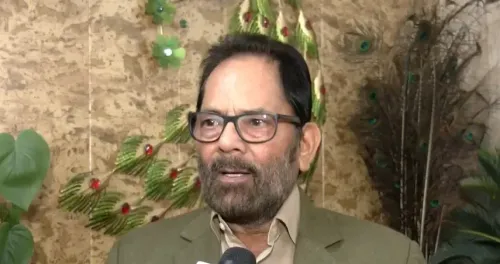
Congress MP Imran Masood , newly appointed UP Congress working president , on 16 October 2026 publicly backed the demand for 'regime change', calling it 'inevitable.' He told reporters: 'Do you think you are immortal?
You cannot take control of constitutional institutions, destroy them and expect to rule permanently.' Defence Minister Rajnath Singh accused the Congress and its allies of seeking to replicate Bangladesh -style political upheaval in India.
Lawyer Prashant Bhushan and AISA chief Neha Bora — who recently shared a stage with Rahul Gandhi and INDIA bloc leaders — had separately called for 'regime change' and praised Bangladesh protests.
Congress MP Manoj Kumar claimed India's economic situation was worse than Bangladesh's, drawing further BJP fire.
The Cockroach Janta Party (CJP) announced a 'Tiranga march' in New Delhi , threatening to escalate street-level tensions.
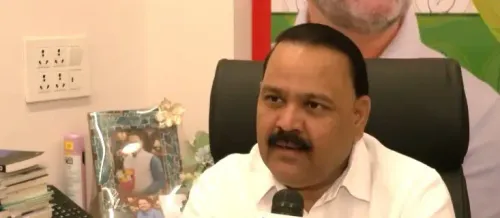
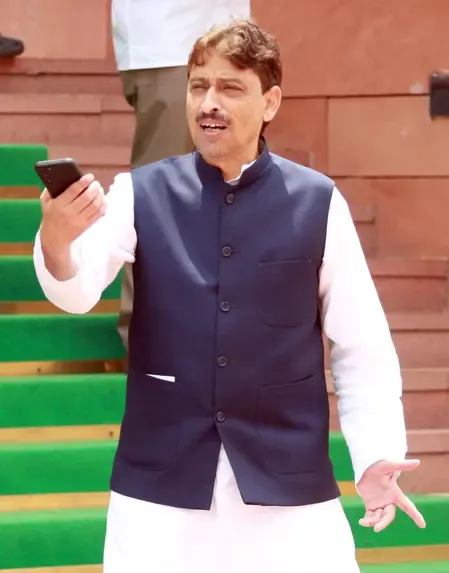
Congress MP Imran Masood, recently elevated as the Uttar Pradesh Congress working president, on Friday, 16 October 2026, openly endorsed the demand for 'regime change' in India, asserting it was 'inevitable and bound to happen' — a statement that drew sharp condemnation from the ruling Bharatiya Janata Party (BJP) and intensified an already charged political row.
What Masood Said
Responding to reporters who asked him about Defence Minister Rajnath Singh's criticism of the Congress over alleged attempts to spread anarchy and damage democratic institutions, Masood was unequivocal. 'The regime will change; it has to change,' the Congress parliamentarian said.
He went further, taking direct aim at the BJP government: 'Do you think you are immortal? You cannot take control of constitutional institutions, destroy them and expect to rule permanently. That will not happen. This will change.'
The Backdrop: Stage-Sharing and Street Protests
Masood's remarks come amid a wider controversy over the Congress and INDIA bloc parties recently sharing a platform with lawyer Prashant Bhushan and All India Students Association (AISA) chief Neha Bora. Both figures have made remarks that critics say cross a constitutional line.
Bora reportedly praised the Bangladesh student protests, declaring they 'showed the way' to Indian peers. Bhushan, at a press conference, stated: 'The struggle was really for a regime change... Yes, we all want regime change.' The BJP has seized on these associations to allege that the Opposition is aligning with forces seeking unconstitutional governance change.
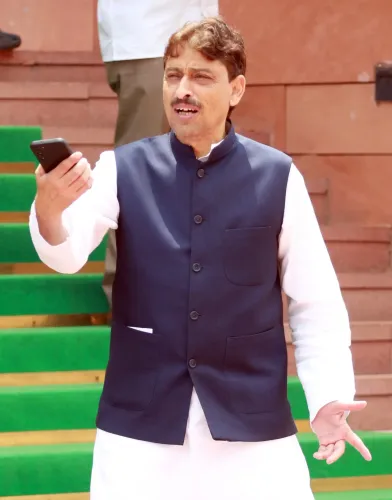
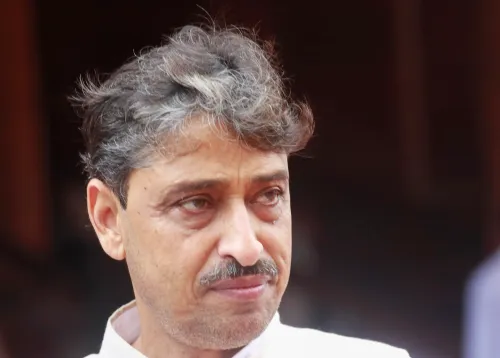
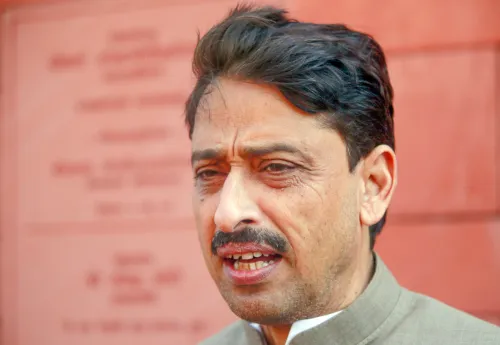
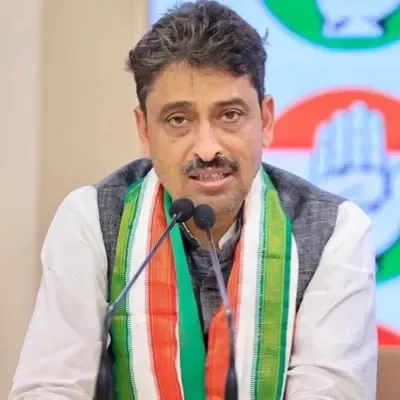
Separately, Congress MP Manoj Kumar, while stopping short of endorsing violent protests, praised Bangladesh and claimed India's economic situation was worse than that of the neighbouring country — a remark that also drew criticism from ruling party quarters.
BJP's Response: Rajnath Singh Fires Back
Earlier on the same day, Rajnath Singh came down heavily on the Congress and its allies, accusing them of attempting to replicate Bangladesh-style political upheaval in India. He alleged the Opposition's 'sole agenda' was to destroy democratic institutions and 'set the country on fire' through anarchic protests. Singh did not mince words, framing the 'regime change' rhetoric as an attack on India's democratic framework.
The Escalating Row
The controversy shows little sign of abating. The organisation identified in reports as the Cockroach Janta Party (CJP) announced a 'Tiranga march' on the streets of New Delhi, further raising the political temperature. This comes amid a broader national debate about the limits of dissent, the role of street protests, and the BJP's charge that Opposition parties are courting 'anti-national' forces.
Notably, the Congress has not formally distanced itself from Bhushan's or Bora's remarks, which analysts say complicates its position ahead of upcoming state elections. With tensions between the ruling dispensation and the Opposition bloc at a high, the 'regime change' debate is unlikely to leave the national discourse soon.
Point of View
If not its intent. The Congress is already on the defensive over its platform associations, and an on-record endorsement of 'regime change' — even framed as electoral inevitability — hands the BJP exactly the ammunition it needs ahead of state polls. The deeper issue is definitional: the Opposition conflates 'voting a government out' with what critics are labelling unconstitutional agitation, but by sharing stages and refusing to disown provocative rhetoric, the Congress is allowing the BJP to blur that distinction at will. Democratic accountability demands the right to change governments — through ballots. The moment street protest language borrows from Bangladesh's uprising script, the conversation stops being about elections and starts being about something else entirely.
NationPress
16 Oct 2026
Frequently Asked Questions
What did Congress MP Imran Masood say about regime change?
Imran Masood said on 16 October 2026 that a change of government was 'inevitable and bound to happen,' directly endorsing what critics have called an 'unconstitutional' demand. He told reporters: 'The regime will change; it has to change.'
Why is the 'regime change' debate controversial in India right now?
The controversy stems from Congress and INDIA bloc leaders sharing a platform with figures like Prashant Bhushan and AISA chief Neha Bora, both of whom have publicly called for regime change and praised Bangladesh's student protests. The BJP accuses the Opposition of aligning with forces seeking unconstitutional overthrow of an elected government.
What was Defence Minister Rajnath Singh's response?
Rajnath Singh accused the Congress and its allies of attempting to replicate Bangladesh-style political upheaval in India, alleging their 'sole agenda' was to destroy democratic institutions through anarchic protests.
What did Prashant Bhushan and Neha Bora say that sparked the row?
Prashant Bhushan stated at a press conference that the ongoing struggle was 'really for a regime change' and added 'Yes, we all want regime change.' AISA chief Neha Bora praised Bangladesh student protests, saying they 'showed the way' to Indian peers.
What is the Tiranga march and who is organising it?
The Tiranga march is a street protest planned in New Delhi by an organisation identified in reports as the Cockroach Janta Party (CJP). It is expected to further escalate political tensions around the 'regime change' debate.