Congress opposes RGPV split, renaming by MP govt in Bhopal
Synopsis
The Madhya Pradesh cabinet's decision to split RGPV — a university linked to 585 colleges and 3.83 lakh students — into three institutions and rename it has ignited a sharp political row. Congress leaders Kamal Nath and Umang Singhar have called it a 'petty' act of nameplate politics, while the BJP cites administrative necessity. The real question is whether the restructuring serves students or a political agenda.
Key Takeaways
The Madhya Pradesh Cabinet , chaired by CM Mohan Yadav , approved splitting RGPV into three technology and skill universities on 1 September .
The main institution will be renamed Madhya Bharat Technology and Skill University , dropping Rajiv Gandhi 's name.
RGPV currently serves over 3.83 lakh students across 585 affiliated colleges in 55 districts .
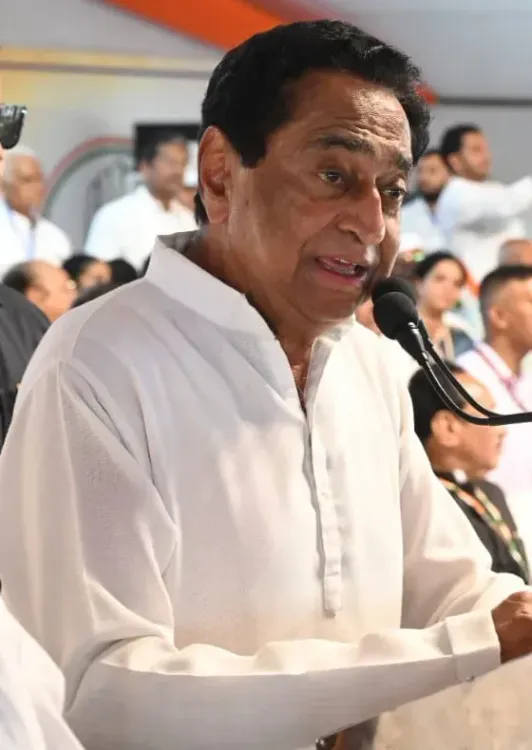
Former CM Kamal Nath called the move a reflection of the BJP's 'petty mindset' and demanded the name change be reversed.
Leader of Opposition Umang Singhar termed the decision 'condemnable' and questioned its impact on students and the education system.
PWD Minister Rakesh Singh defended the restructuring, citing the state's large geographical area as the primary rationale.
The Opposition Indian National Congress on Wednesday, 2 September strongly opposed the Madhya Pradesh government's decision to divide Rajiv Gandhi Proudyogiki Vishwavidyalaya (RGPV) into three separate universities and strip the institution of former Prime Minister Rajiv Gandhi's name. The party called the move a politically motivated act targeting one of the state's most significant technical institutions, which currently serves over 3.83 lakh students across 585 affiliated colleges in 55 districts.
Congress Leaders Launch Sharp Attack
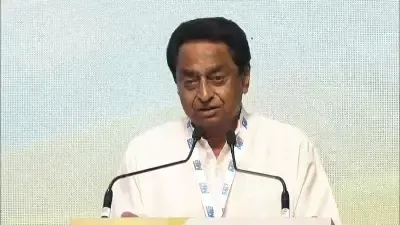
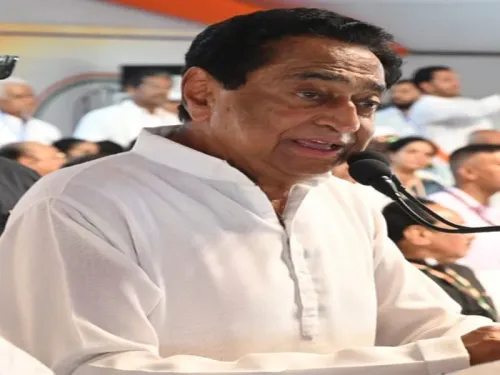
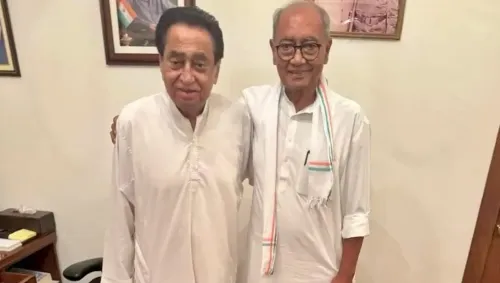
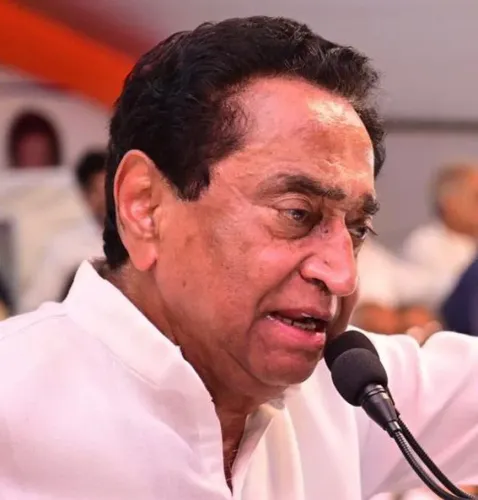
Leading the charge against the decision, senior Congress leader and former Chief Minister Kamal Nath accused the Bharatiya Janata Party (BJP) government of prioritising name changes over substantive reforms in the education sector. 'The BJP government's move to split Madhya Pradesh's prestigious Rajiv Gandhi Proudyogiki Vishwavidyalaya into three parts and remove the name of the late former Prime Minister Rajiv Gandhi from it is a reflection of their petty mindset,' Nath said in a statement.
Nath credited Rajiv Gandhi with ushering in India's information revolution and the computer age, arguing that the former Prime Minister's contribution to modern technology could not be erased. 'The BJP is incapable of undertaking any new initiatives itself; it is merely obsessed with replacing nameplates on projects established during the Congress era,' he said. He demanded that the government immediately reverse its decision to remove Rajiv Gandhi's name. 'You cannot alter history simply by changing a name,' Nath added.
Leader of Opposition Calls Decision 'Condemnable'
Umang Singhar, Leader of Opposition in the Madhya Pradesh Legislative Assembly, also came out strongly against the restructuring. Singhar questioned the government's priorities, asking: 'Has the BJP government come to equate mere name-changing with development?' He termed the decision to split RGPV and remove Rajiv Gandhi's name 'condemnable', and urged the administration to instead focus on improving educational quality and infrastructure.
Singhar raised pointed concerns about the practical impact of the restructuring on students and affiliated institutions. 'How will the restructuring of RGPV — an institution linked to 585 colleges across 55 districts and over 3.83 lakh students — impact the students' future and the education system?' he asked.
What the MP Cabinet Approved
The Madhya Pradesh Cabinet, chaired by Chief Minister Mohan Yadav, approved the restructuring on Tuesday, 1 September. The cabinet sanctioned the division of RGPV into three technology and skill universities, organised along geographical lines to cover the state's vast area. The restructured institutions will be collectively known as 'Technology and Skill Universities', with the main body renamed Madhya Bharat Technology and Skill University.
Briefing reporters after the cabinet meeting, Public Works Department (PWD) Minister Rakesh Singh said the decision was driven by administrative necessity. 'Currently, 585 institutions are affiliated with RGPV, and 383,000 students are studying there. Considering the state's geographical area, approval has been granted to establish three technology universities to replace RGPV. These will now be known as Technology and Skill Universities,' Singh said.
Administrative Impact and Political Fault Lines
The restructuring will fundamentally alter the administrative framework governing technical education in Madhya Pradesh, affecting how hundreds of affiliated colleges and nearly four lakh students are regulated. While the BJP-led government has justified the move on grounds of administrative efficiency and the state's geographic spread, the Congress has made the removal of Rajiv Gandhi's name the central political flashpoint.
This is not the first time a BJP-governed state has moved to rename institutions associated with the Congress or its leaders — critics argue such decisions reflect a broader pattern of symbolic politics rather than structural educational reform. The decision is expected to face further legislative and public scrutiny in the days ahead.
Point of View
However, hands the opposition a ready-made narrative about symbolic over substantive governance. With nearly four lakh students and 585 colleges in the balance, the real accountability test will be whether the new institutional structure improves outcomes or simply reshuffles bureaucratic lines. That question is unlikely to be answered in the political noise that follows.
NationPress
2 Sept 2026
Frequently Asked Questions
What did the Madhya Pradesh government decide about RGPV?
The Madhya Pradesh Cabinet approved splitting Rajiv Gandhi Proudyogiki Vishwavidyalaya (RGPV) into three technology and skill universities organised along geographical lines, and renamed the main body Madhya Bharat Technology and Skill University. The decision was taken on 1 September and affects over 3.83 lakh students across 585 affiliated colleges in 55 districts.
Why is the Congress opposing the RGPV restructuring?
The Congress has objected on two grounds: the removal of former Prime Minister Rajiv Gandhi's name from the institution, and what it calls a pattern of the BJP prioritising name changes over genuine educational reform. Senior leader Kamal Nath described the move as reflecting a 'petty mindset', while Leader of Opposition Umang Singhar termed it 'condemnable'.
What reason did the MP government give for splitting RGPV?
PWD Minister Rakesh Singh said the restructuring was necessitated by Madhya Pradesh's large geographical area, arguing that a single university managing 585 affiliated institutions spread across the state had become administratively unwieldy. The government has framed the split as an efficiency measure.
How many students and colleges are affected by the RGPV restructuring?
Over 3.83 lakh students and 585 affiliated colleges across 55 districts of Madhya Pradesh are currently under RGPV. The restructuring will change how these colleges and students are governed under the new three-university framework.
What is the new name for RGPV after the MP cabinet decision?
The Madhya Pradesh Cabinet approved renaming RGPV as Madhya Bharat Technology and Skill University. The three successor institutions will collectively be known as 'Technology and Skill Universities', organised by geographical region.