Kamal Nath Slams MP Wheat MSP Process; CM Yadav Extends Deadline
Synopsis
Former MP CM Kamal Nath has accused the BJP government of deliberately throttling wheat MSP procurement, citing a 1.2-million-farmer slot-booking gap and satellite survey rejections. CM Mohan Yadav responded by extending the deadline to May 9 and adding Saturday operations — but the numbers reveal a deeper systemic crisis.
Key Takeaways
Kamal Nath accused the BJP-led MP government of deliberately delaying wheat MSP procurement by nearly one month , citing a gunny bag shortage.
As of April 23, 2025 , only 700,000 out of 1.9 million registered farmers in Madhya Pradesh managed to book wheat procurement slots.
Small farmers reportedly faced satellite survey-based rejections of slot bookings despite having standing crops visible in their fields.
Chief Minister Mohan Yadav extended the slot-booking deadline from April 30 to May 9, 2025 and added Saturday operations at procurement centres.
The state's procurement target of 10 million tonnes covers less than 40 percent of Madhya Pradesh's estimated wheat production of over 24.5 million tonnes .
Kamal Nath demanded a government apology for failing to deliver the promised Rs 2,700 per quintal MSP bonus to farmers.
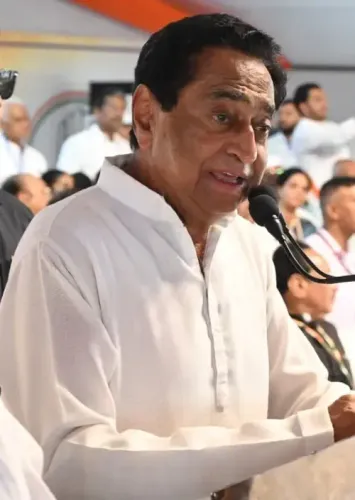
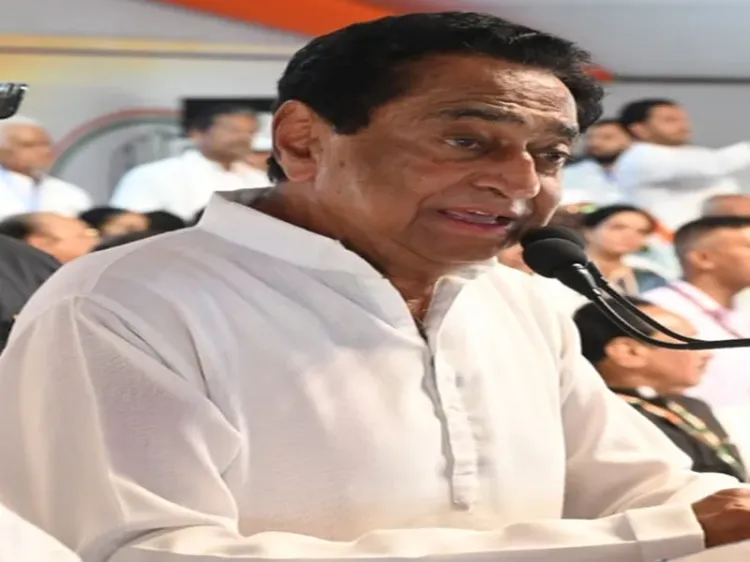
Bhopal, April 24: Former Madhya Pradesh Chief Minister Kamal Nath launched a sharp attack on the BJP-led state government on Friday, April 24, accusing it of systematically obstructing farmers from selling wheat at the Minimum Support Price (MSP). His criticism followed the Central government's recent approval allowing Madhya Pradesh to procure 10 million tonnes of wheat at MSP. In response, Chief Minister Mohan Yadav announced extended procurement operations and a revised slot-booking deadline of May 9.
Kamal Nath's Allegations Against the State Government
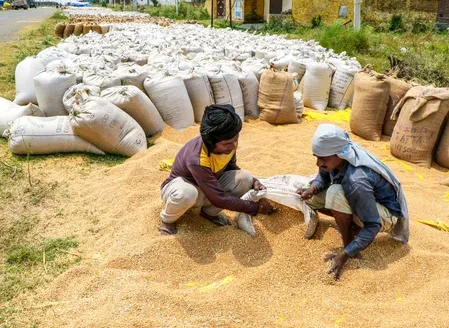
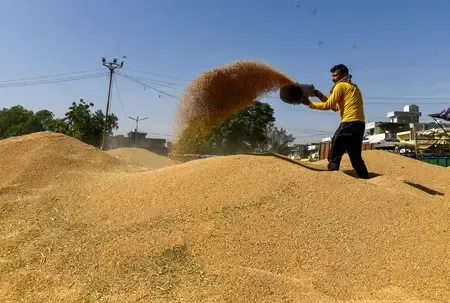
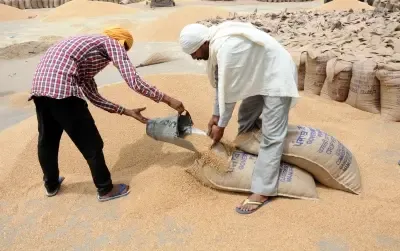
In a strongly worded post on his X (formerly Twitter) handle, Kamal Nath alleged that the government deliberately delayed the wheat procurement process by nearly one month, citing a shortage of gunny bags as the stated reason. He argued this forced small and marginal farmers to sell their produce to middlemen at distress prices well below MSP.
When procurement operations eventually commenced, Kamal Nath claimed that the government began rejecting slot bookings from small farmers based on satellite survey data — leaving cultivators baffled as to why their standing crops, clearly visible in their own fields, were being denied procurement eligibility.
He further alleged that the government introduced a discriminatory priority system, mandating that wheat from farmers owning less than five acres be procured first, followed by medium and large landholders. According to him, this sequencing was strategically calculated — since many small farmers had already been pushed into selling to middlemen, the move effectively reduced the total procurement volume while creating an optics of farmer-first policy.
Key Data Points Cited by Kamal Nath
Citing official government data, Kamal Nath highlighted a stark disparity: as of April 23, approximately 1.9 million farmers had registered to sell wheat at MSP, yet only around 700,000 had successfully managed to book procurement slots. He described this gap — over 1.2 million farmers unable to secure a slot — as clear evidence of systemic mismanagement and a deliberate attempt to suppress procurement volumes.
He also questioned the government's procurement target of 10 million tonnes, calling it a political "charade." His argument: Madhya Pradesh produced 24.5 million tonnes of wheat in the previous year and claims to have surpassed that figure in the current season. Procuring only 10 million tonnes — roughly 40 percent of production — he argued, leaves the majority of farmers exposed to exploitative market pricing.
Kamal Nath also demanded a formal government apology for failing to deliver the promised MSP of Rs 2,700 per quintal, warning that farmers across the state are acutely aware of the government's "machinations" and will not remain silent.
Chief Minister Mohan Yadav's Response and New Measures
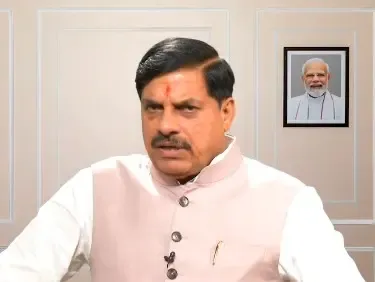
Addressing the issue in a televised statement on Friday, Chief Minister Mohan Yadav announced a series of measures aimed at accelerating wheat procurement. Procurement centres will now operate six days a week, with Saturdays no longer treated as holidays, ensuring uninterrupted operations at all designated MSP centres.
Critically, the deadline for slot bookings — originally set to close on April 30 — has been extended to May 9, 2025. CM Yadav further indicated that if the situation demands, the deadline could be pushed even further. "It is our government's firm resolve to ensure that our farmer brethren face no difficulties whatsoever; the state government stands firmly with the farmers in every situation," he stated.
Deeper Context: A Pattern of MSP Procurement Challenges in MP
This controversy is not isolated. Madhya Pradesh has historically faced recurring criticism over its wheat and paddy procurement mechanisms, with farmer organisations repeatedly flagging issues around slot availability, infrastructure bottlenecks, and middlemen exploitation. The introduction of satellite-based crop verification — while intended to curb fraud — has emerged as a double-edged sword, disproportionately affecting small farmers with fragmented landholdings whose crops may not register clearly on satellite imagery.
Notably, the Central government's MSP for wheat in 2024-25 stands at Rs 2,275 per quintal — a figure that itself has been contested by farmer groups demanding cost-plus pricing. Madhya Pradesh's own promise of Rs 2,700 per quintal — a Rs 425 bonus over the Central MSP — was a key electoral commitment, and its non-fulfilment adds political weight to Kamal Nath's criticism ahead of local body elections.
The broader implication is significant: with Madhya Pradesh being one of India's top wheat-producing states and contributing substantially to the Food Corporation of India (FCI)'s national buffer stock, any shortfall in state-level procurement has cascading effects on national food security calculations and farmer income stability across the Malwa, Chambal, and Nimar agricultural belts.
What Happens Next
With the slot-booking deadline now extended to May 9 and procurement centres operating six days a week, the coming two weeks will be critical in determining whether the state can bridge the gap between registered farmers (1.9 million) and those who have actually booked slots (700,000). Political pressure from the opposition and farmer groups is likely to intensify if procurement numbers do not improve significantly by early May.
All eyes will also be on whether the satellite survey rejection issue is addressed operationally — a resolution here could unlock procurement for hundreds of thousands of farmers currently stuck in bureaucratic limbo.
Point of View
Satellite rejections, slot-booking caps — that quietly ensure procurement targets stay manageable for government coffers while farmers bear the cost. The 1.2-million-farmer slot gap is not an administrative oversight; it is a policy outcome. CM Yadav's deadline extension is a reactive damage-control measure, not structural reform. Until satellite-based rejection criteria are made transparent and the Rs 2,700 per quintal promise is honoured, Madhya Pradesh's farmer-first narrative remains precisely that — a narrative.
NationPress
3 Oct 2026
Frequently Asked Questions
What is Kamal Nath's criticism of MP wheat MSP procurement?
Kamal Nath accused the BJP-led Madhya Pradesh government of deliberately delaying wheat procurement by nearly a month and rejecting small farmers' slot bookings through satellite surveys. He cited data showing 1.9 million farmers registered but only 700,000 managed to book slots, calling it evidence of systemic mismanagement.
What is the new deadline for wheat MSP slot booking in Madhya Pradesh?
Chief Minister Mohan Yadav extended the wheat MSP slot-booking deadline from April 30 to May 9, 2025. He also indicated the deadline could be extended further if necessary, and announced that procurement centres will now operate six days a week including Saturdays.
Why are small farmers in MP unable to sell wheat at MSP?
Small farmers in Madhya Pradesh have faced multiple barriers including a gunny bag shortage that delayed procurement, satellite survey-based rejections of their slot bookings, and a prioritisation system that many argue came too late after they had already sold to middlemen at distress prices.
What is the MSP for wheat in Madhya Pradesh in 2025?
The Central government's MSP for wheat in 2024-25 is Rs 2,275 per quintal. The Madhya Pradesh government had promised an additional bonus to take the effective price to Rs 2,700 per quintal, a commitment that Kamal Nath says has not been fulfilled.
How much wheat is Madhya Pradesh targeting to procure at MSP in 2025?
The Central government has permitted Madhya Pradesh to procure 10 million tonnes of wheat at MSP. Critics including Kamal Nath argue this target is inadequate given that the state produced over 24.5 million tonnes of wheat last year and reportedly surpassed that figure in the current season.