Wheat MSP Row: Kamal Nath Slams MP Govt Over Farmer Slot Crisis

Synopsis
Over 12 lakh farmers in Madhya Pradesh remain locked out of wheat MSP procurement despite registering, as Congress leader Kamal Nath calls the BJP system a deliberate trap. With the Centre raising the target to 100 lakh MT, the real test is whether ground-level delivery catches up or fails millions of cultivators.
Key Takeaways
Over 19 lakh farmers registered for wheat MSP procurement in Madhya Pradesh , but only 7 lakh had booked slots by April 23, 2025 — a gap of more than 12 lakh farmers .
Congress leader Kamal Nath accused the BJP government of deliberately trapping farmers, citing gunny bag shortages and satellite survey rejections as key barriers.
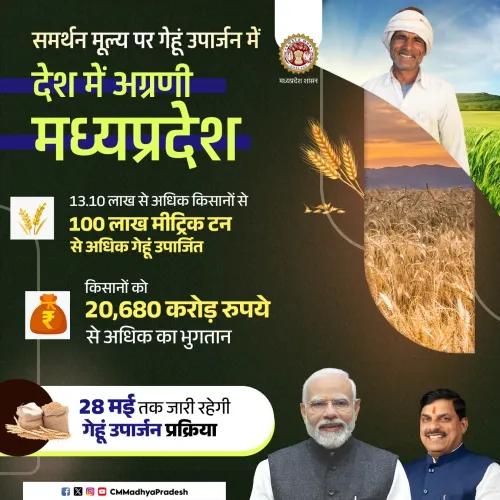
The Centre approved raising MP's wheat procurement target from 78 lakh MT to 100 lakh MT on April 23 , a jump of 22 lakh metric tonnes .
Wheat procurement began on April 9 in select districts and expanded statewide from April 15, 2025 to coincide with peak harvest arrivals.
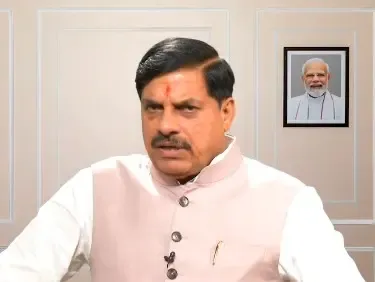
Chief Minister Mohan Yadav credited the enhanced target to strong Centre-state coordination under the MSP framework .
The Rural and Food Departments have pledged to streamline slot bookings and improve infrastructure at procurement centres to address the backlog.
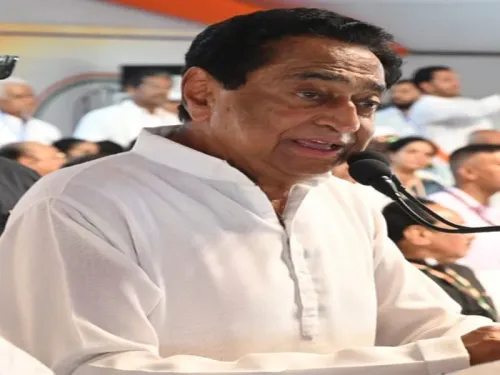
Bhopal, April 24: The wheat procurement controversy in Madhya Pradesh has intensified, with senior Congress leader and former Chief Minister Kamal Nath accusing the BJP-led state government of deliberately trapping farmers in a system that prevents them from selling wheat at the Minimum Support Price (MSP). His allegations come a day after the Centre approved raising MP's wheat procurement target from 78 lakh metric tonnes to 100 lakh metric tonnes on Thursday, April 23.
Kamal Nath's Allegations: A Trap for Farmers
Kamal Nath launched a scathing attack on the state administration, claiming the system has been structurally designed to fail cultivators. He stated that the BJP government devised an intricate trap preventing farmers from selling wheat at MSP, with procurement delayed over gunny bag shortages and small farmers forced to sell at distress prices.
He further alleged that once procurement did begin, farmers encountered a new obstacle — rejection of slot bookings based on satellite-based crop surveys. According to Nath, farmers are bewildered by how their standing crops are being disqualified through remote satellite imagery without physical verification.
Citing official government data, Kamal Nath revealed a stark disparity: while more than 19 lakh farmers had registered for wheat procurement, only approximately 7 lakh had successfully booked slots as of April 23 — a gap of over 12 lakh farmers still locked out of the system. He also criticised the phased procurement policy that prioritises small and marginal farmers.
State Government Position: Expanded Target and Phased Strategy
Chief Minister Mohan Yadav stated on Thursday that the 22 lakh metric tonne increase in procurement quota reflects strong coordination between the state and Central government to maximise benefits to farmers under the MSP framework. The enhanced target signals political intent ahead of the ongoing harvest cycle.
Wheat procurement in Madhya Pradesh commenced on April 9 in select districts and was expanded statewide from April 15, timed to coincide with the peak arrival season. Officials from the Rural and Food Departments stated they are actively working to streamline slot bookings, upgrade infrastructure at procurement centres, and ensure timely direct payments to registered farmers.
Ground Reality vs Official Claims: Numbers Tell a Different Story
The chasm between the 19 lakh registered farmers and the 7 lakh who secured slots is the central flashpoint of this controversy. Critics argue that expanding the procurement target is meaningless if the delivery mechanism remains broken. The slot-booking bottleneck, combined with satellite-survey rejections, is effectively creating an informal barrier that defeats the purpose of the MSP guarantee.
This controversy highlights a recurring pattern in agricultural procurement across India — where government announcements of higher targets often mask on-ground implementation failures. In several states, farmers have historically been forced to sell to private traders at below-MSP rates when government procurement infrastructure fails to absorb supply in time.
Notably, Madhya Pradesh has been among the top wheat-producing states in India, with the crop being a critical income source for millions of smallholder farmers in districts like Hoshangabad, Sehore, Vidisha, and Raisen. Any systemic failure in MSP procurement disproportionately impacts small and marginal farmers who lack the storage capacity or financial buffer to wait for better prices.
Satellite Survey Rejections: A New Flashpoint
The use of satellite-based crop surveys to validate or reject farmer registrations is an emerging and contentious issue. While the technology is intended to prevent fraud and ensure only genuine cultivators access MSP benefits, its implementation has created new grievances. Farmers in several blocks have reportedly had their registrations flagged despite having standing crops, with no clear grievance redressal mechanism in place.
This raises a critical question about digital exclusion in agricultural policy — as technology-driven governance tools advance, they risk marginalising the very farmers they are designed to protect, particularly those without the literacy or resources to navigate appeals processes.
Political Implications and What Comes Next
The wheat procurement dispute is likely to remain a politically charged issue in Madhya Pradesh as the state heads deeper into the 2025 harvest season. The Congress party is expected to escalate protests at the district level if slot-booking backlogs are not cleared. The BJP government will be under pressure to demonstrate that the enhanced 100 lakh MT target translates into actual farmer relief rather than remaining a headline figure.
With the Rural and Food Departments pledging to resolve infrastructure gaps, all eyes will be on procurement data over the next two to three weeks to determine whether the slot-booking gap narrows significantly — or widens further, lending credence to the opposition's allegations.
Point of View
With no accountability mechanism for wrongful rejections. The 12-lakh-farmer gap between registrations and slot bookings is not an administrative glitch but a policy failure with real economic consequences for the most vulnerable cultivators. If the BJP government cannot close this gap rapidly, the expanded 100 lakh MT target will be remembered not as a milestone but as a mirage.
NationPress
30 Sept 2026
Frequently Asked Questions
Why are farmers in Madhya Pradesh unable to sell wheat at MSP in 2025?
Farmers in Madhya Pradesh are facing delays and rejections in the wheat MSP procurement process due to gunny bag shortages and satellite-based crop survey rejections. As of April 23, only around 7 lakh of over 19 lakh registered farmers had successfully booked procurement slots.
What is Madhya Pradesh's new wheat procurement target for 2025?
The Centre approved raising Madhya Pradesh's wheat procurement target from 78 lakh metric tonnes to 100 lakh metric tonnes on April 23, 2025. Chief Minister Mohan Yadav described the 22 lakh MT increase as a reflection of coordinated Centre-state efforts to support farmers under the MSP system.
What did Kamal Nath allege about the MP wheat procurement system?
Former Chief Minister Kamal Nath alleged that the BJP government created a system that prevents farmers from accessing MSP, citing delayed procurement, gunny bag shortages, and satellite survey-based slot rejections. He pointed to a gap of over 12 lakh farmers who registered but could not secure slots as evidence of the government's failure.
How does satellite-based survey affect wheat procurement in MP?
The Madhya Pradesh government uses satellite imagery to verify farmers' crop data before approving MSP procurement slot bookings. Critics allege this system is rejecting genuine farmers without adequate explanation or grievance redressal, leaving them unable to access the MSP channel.
When did wheat procurement begin in Madhya Pradesh in 2025?
Wheat procurement in Madhya Pradesh began on April 9, 2025 in select regions and was expanded statewide from April 15 to handle peak-season arrivals. The Rural and Food Departments are working to improve slot booking infrastructure and ensure timely payments.