Giriraj Singh Flags 7.9% Core Sector Growth in September
Synopsis
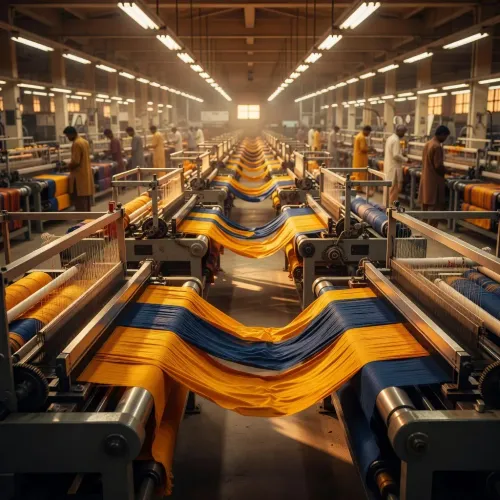
Union Textiles Minister Giriraj Singh posted that India's core sector registered 7.9% growth in September 2026, with iron ore, electricity, coal, refinery products, cement, and steel all recording production increases — a data point the BJP is using to signal continued industrial momentum.
Key Takeaways
Union Textiles Minister Giriraj Singh highlighted a 7.9% growth in India's core sector for September 2026 .
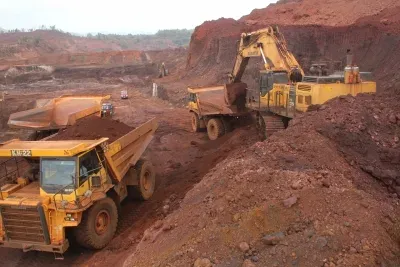
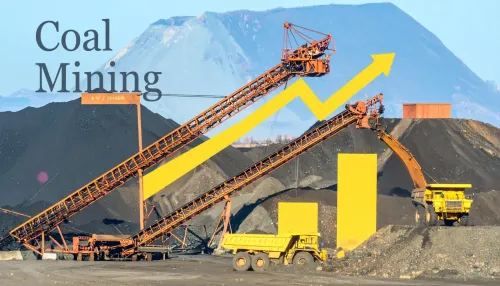
Sectors recording production increases include iron ore, electricity, coal, refinery products, cement, and steel .
The Index of Eight Core Industries is published monthly by the Ministry of Commerce and Industry and is a key leading indicator for industrial output.
Steel, cement, and electricity growth directly signals active infrastructure construction and manufacturing demand.
The next monthly core-sector release and the upcoming winter session of Parliament will be critical moments to watch for follow-through on these numbers.
India's industrial engine is picking up speed. Union Textiles Minister Giriraj Singh on Tuesday, November 3, 2026, highlighted that the country's eight core industries recorded a 7.9% growth rate in September, pointing to sustained positive momentum in the nation's industrial development.
Posting on X, the minister stated — 'देश के औद्योगिक विकास की दिशा में लगातार सकारात्मक प्रगति देखने को मिल रही है' ('Continuous positive progress is being seen in the direction of the country's industrial development') — and specifically named the sectors driving the uptick: iron ore, electricity, coal, refinery products, cement, and steel.
What the 7.9% print means for India's industrial pulse
The Index of Eight Core Industries, published monthly by the Ministry of Commerce and Industry, tracks output across coal, crude oil, natural gas, refinery products, fertilisers, steel, cement, and electricity. It is one of India's most closely watched leading indicators — together these sectors account for a substantial share of the overall Index of Industrial Production (IIP), making their collective growth rate a reliable signal of broader manufacturing and infrastructure activity.
The sectors singled out by Singh — steel, cement, electricity, and refinery products — are precisely the inputs that feed large-scale infrastructure construction, from highways and bridges to power grids and urban housing. Strong readings across all four simultaneously suggest that both public capital expenditure programmes and private industrial demand are holding firm.
Core sectors as a political scorecard for BJP's 'Viksit Bharat' push
Senior BJP leaders have consistently cited core-sector data as evidence that the government's emphasis on manufacturing capacity and infrastructure-led growth is translating into real output. For Giriraj Singh — who represents Begusarai, Bihar, a constituency with its own industrial history — flagging a healthy headline number carries both economic and political weight ahead of the winter session of Parliament, where growth metrics are routinely debated on the floor.
Cement and steel growth, in particular, track directly with on-the-ground construction activity. When both move together at a meaningful pace, it tends to validate government claims about infrastructure spend reaching the ground rather than sitting on paper.
Eyes on the next monthly release and Parliament's winter session
The subsequent monthly Index of Eight Core Industries release will be the immediate data point to watch — whether September's 7.9% marks the beginning of a sustained uptick or a single strong print in an uneven trend. Any notable shift in that number is almost certain to feature in Parliamentary debates during the upcoming winter session, where the Opposition will scrutinise whether industrial momentum is broad-based or concentrated in a handful of state-backed sectors.
A 7.9% core-sector print is a solid signal — the question the next data release will have to answer is whether India can hold it.
Point of View
Quantifiable data point to defend its infrastructure-led growth narrative ahead of what is expected to be a combative winter session of Parliament. Singh's decision to call out individual sectors by name, rather than citing the headline figure alone, is a deliberate framing choice: it grounds an abstract percentage in tangible industrial activity that voters in manufacturing and construction belts can relate to. Whether the 7.9% holds in subsequent months will determine whether this becomes a durable talking point or a one-quarter anomaly. The broader pattern of ministers routinely amplifying core-sector data also underscores how central industrial output metrics have become to the government's 'Viksit Bharat' growth story.
NationPress
3 Nov 2026
Frequently Asked Questions
What is India's core sector growth for September 2026?
India's eight core industries recorded a growth rate of 7.9% in September 2026, according to a post by Union Textiles Minister Giriraj Singh.
Which sectors drove India's core sector growth in September 2026?
Iron ore, electricity, coal, refinery products, cement, and steel all recorded production increases in September 2026, as highlighted by Minister Giriraj Singh.
What is the Index of Eight Core Industries?
The Index of Eight Core Industries is a monthly indicator published by India's Ministry of Commerce and Industry, tracking output in coal, crude oil, natural gas, refinery products, fertilisers, steel, cement, and electricity — sectors that act as a leading signal for overall industrial production.
Why does core sector data matter for India's economy?
Core sector industries collectively feed a significant portion of India's Index of Industrial Production. Strong growth in steel, cement, and electricity, for example, typically reflects active infrastructure investment and manufacturing demand, making the index a reliable barometer of economic momentum.
Who is Giriraj Singh and why did he comment on core sector data?
Giriraj Singh is a senior BJP leader, Union Minister of Textiles, and Lok Sabha MP from Begusarai, Bihar. Senior government ministers routinely cite core-sector data on social media to signal the administration's economic performance and industrial growth trajectory.