Will CPI inflation stabilize at 2.8% for FY26?

Synopsis
Consumer price inflation is projected to decrease further, settling at 2.8% for FY26, according to Bank of Baroda. Analysts cite fresh harvests and seasonal adjustments as key factors. Discover the dynamics behind food prices and inflation trends that could shape the economy.
Key Takeaways
CPI is expected to settle at 2.8% for FY26.
Core inflation, excluding gold, is at 3.1%.
Food inflation has declined for four months in a row.
Significant deflation noted in vegetables.
GST impacts may mitigate inflation effects.
New Delhi, Oct 13 (NationPress) Consumer price inflation is anticipated to further decline in the upcoming months as the new harvest commences and seasonal adjustments to vegetable prices in Q3 become increasingly evident, according to a recent report.
A forecast by Bank of Baroda suggests that the CPI is likely to stabilize at 2.8 percent in FY26. The report notes, "Core inflation has experienced the typical fluctuations driven by gold. When excluding gold and pan & tobacco, it remains lower at 3.1 percent."
Analysts have pointed out that the ongoing disinflation trend, the arrival of seasonal harvests, and adequate reservoir levels are expected to positively influence the food outlook.
The CPI saw a decrease in September, largely due to continuous food disinflation and reduced vegetable prices, yielding a headline figure slightly beneath the Reserve Bank of India’s Q2 prediction.
Some front-loading of festival demand was observed in the sequential data for clothing and footwear, according to the bank. In the housing sector, certain momentum was noted in the house rent and garage rent components.
Food inflation has dropped for the fourth consecutive month, reporting a 2.3 percent year-on-year decline. The BoB's in-house ECI recorded a (-)3.8 percent in early October, suggesting ongoing disinflationary pressure.
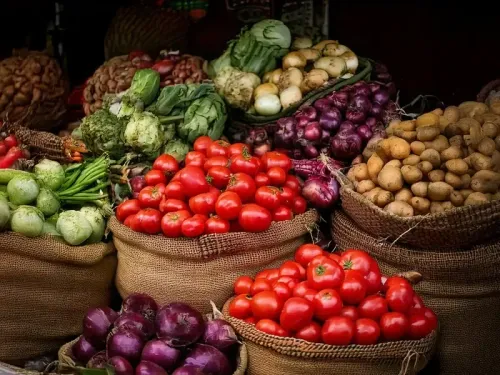
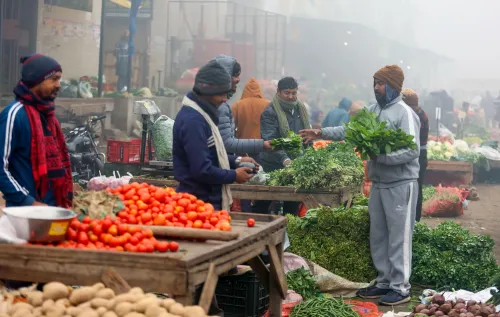
"The significant relief has come from vegetables, which have seen the sharpest deflation since February 25. Besides this, oils & fats, fruits, pulses, and cereals have shown some softening trends," the bank observed.
However, the headline core, which encompasses gold, witnessed an increase due to considerable month-on-month fluctuations in international gold prices. "Looking ahead, we foresee continued gold-driven volatility in core inflation amidst global political and trade uncertainties. Nevertheless, the broader comfort from GST is likely to mitigate some of the impacts," the report stated.
Core services inflation stood at 3.4 percent, with demand-sensitive categories like household goods and clothing displaying moderation. Fuel and light inflation softened to 2 percent year-on-year, attributed to a decrease in kerosene prices.
Point of View
It's vital to recognize that while inflation trends can fluctuate due to seasonal factors and global uncertainties, our commitment is to provide accurate, unbiased insights that keep the nation informed and prepared for economic shifts.
NationPress
11 Oct 2026
Frequently Asked Questions
What is the expected CPI inflation for FY26?
The CPI inflation is projected to stabilize at 2.8% for FY26, according to a report from Bank of Baroda.
How do seasonal harvests impact inflation?
Seasonal harvests contribute to a favorable food outlook, potentially leading to lower inflation rates as supply increases.
What is the role of gold in core inflation?
Gold prices can cause significant fluctuations in core inflation figures, as seen with the recent month-on-month changes.
How has food inflation changed recently?
Food inflation has decreased for four consecutive months, showing a 2.3% year-on-year drop.
What are the key drivers of CPI inflation?
Key drivers include seasonal harvests, reservoir levels, and the prices of essential goods like vegetables.