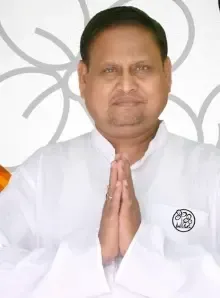
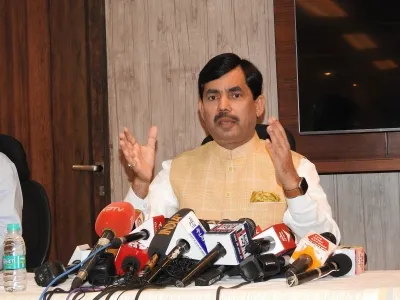
Is CPI-M's Bengal Chief Reaching Out to a Controversial Builder?
Synopsis
In a surprising move, the CPI-M's Bengal chief engages with a controversial Babri Masjid replica builder, stirring debates on secularism and political alliances. With impending elections, this outreach challenges the party's traditional stance. Will this lead to a significant political shift or merely a desperate attempt for relevance?
Key Takeaways
CPI-M's outreach to a controversial figure raises questions about its secular stance.
Humayun Kabir has made inflammatory remarks, complicating the alliance discussion.
The previous Left-Congress alliance was a failure, showing the need for strategic reassessment.
Political dynamics in West Bengal are shifting, challenging established parties.
Upcoming elections will test the efficacy of this new strategy.
New Delhi, Jan 29 (NationPress) The outreach of the top leader of the Communist Party of India (Marxist) state unit towards the controversial builder of a Babri Masjid replica in West Bengal on early Thursday raises eyebrows, especially given the party's self-identification as secular and anti-communal.
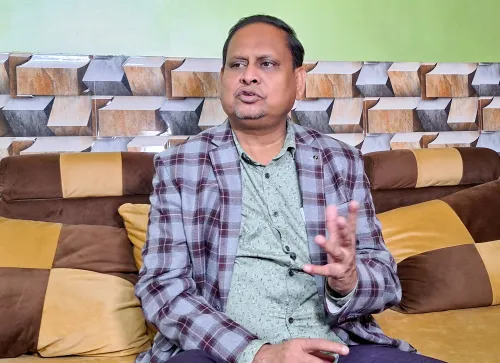
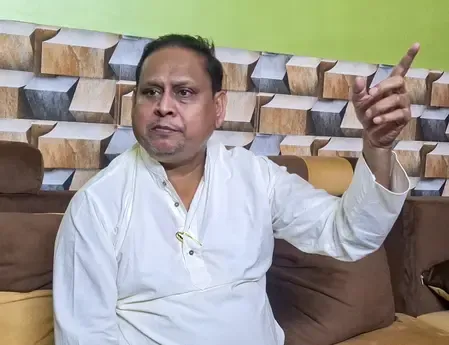
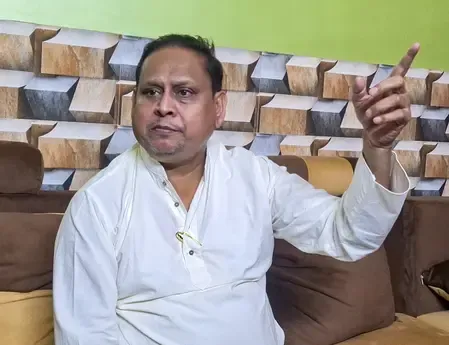
Traditionally, Left leaders have positioned themselves as champions of secularism and opponents of communalism. However, Janata Unnayan Party Chief Humayun Kabir, associated with the Babri-style mosque initiative in Murshidabad district, presents a contrasting image.
Kabir, a former high-ranking police officer, has unabashedly declared himself a leader of the Muslim community and actively sought alliances with parties such as the AIMIM led by Asaduddin Owaisi, and the Indian Secular Front (ISF) led by Pirzada Naushad Siddiqui.
In the context of political marginalization, with the CPI(M) lacking representation in the 294-member West Bengal Assembly, the party seems willing to publicly engage with individuals known for their religious biases as they approach another election.
Reports indicate that Kabir described the meeting as a "very positive discussion" and expressed confidence about a potential alliance with the CPI(M) and other forces opposed to the Bharatiya Janata Party (BJP) and the Trinamool Congress, stating he was "90 percent sure something good will happen."
However, CPI(M) West Bengal Committee Secretary Mohammed Salim characterized this meeting as merely an effort to gauge Kabir's political perspectives rather than a step towards a formal coalition.
It remains to be seen how the party will navigate its engagement with the controversial leader Kabir and how it will rationalize this outreach to its foundational supporters.
This encounter marks a sort of "back to the future" moment for the CPI(M), reminiscent of the Left Front-Congress bloc's tactical alliance with the then newly formed ISF led by Naushad Siddiqui prior to the 2021 West Bengal Assembly elections.
That alliance ended disastrously, with neither of the established national parties securing a single Assembly seat, while the ISF, as the alliance's Muslim-focused partner, managed to win just one seat in the minority-dominated Bhangar constituency.
Launched shortly before the 2021 elections, the ISF aimed to advocate for marginalized Muslim communities and other disadvantaged groups.
At that time, the Congress joined the alliance somewhat reluctantly.
Interestingly, Kabir's newly formed Janata Unnayan Party also employs a slogan reminiscent of the ISF.
Historically, both the Left and Congress have governed West Bengal at different times, seeking a wider "anti-Trinamool, anti-BJP" coalition by leveraging the ISF to consolidate segments of the Muslim vote, which they have struggled to mobilize independently since the rise of Trinamool Congress leader Mamata Banerjee.
The limited electoral success and organizational reach of the ISF meant that the alliance did not lead to a lasting transformation in West Bengal's political landscape, leading the ISF to reassess its alliances and occasionally operate independently.
This meeting occurred at a time when the Left-Congress alliance was precariously positioned, with tense exchanges regarding a potential collaboration for the forthcoming polls, as the Congress deliberated over CPI(M) leader Salim's overtures.
State Congress leader Roahan Mitra quickly expressed disapproval via a Facebook post, questioning the CPI(M)'s desperation for an MLA position: "Are you so desperate to be an MLA that you have to hold a meeting with a bankrupt politician who talks about throwing Hindu corpses into the Bhagirathi? The issue is an alliance and seat adjustment. Has the term 'secularism' been removed from politics in Bengal?"
During the 2024 Lok Sabha elections, Kabir reportedly made a statement threatening that if he won, he would throw Hindus into the Bhagirathi River.
"This exemplifies a form of Leftist-liberalism where survival takes precedence over ideals," remarked a former Leftist youth leader now affiliated with the BJP.
Point of View
This outreach by the CPI-M highlights the complexities of contemporary political alliances and the ongoing struggle for relevance within the ever-evolving landscape of West Bengal politics. While the party navigates its past and future, it must address the concerns of its core supporters regarding secularism and communal harmony.
NationPress
29 Sept 2026
Frequently Asked Questions
What is the significance of CPI-M's outreach to Kabir?
The outreach signifies a potential shift in CPI-M's political strategy as they seek alliances in a challenging electoral landscape, raising questions about their commitment to secularism.
Who is Humayun Kabir?
Humayun Kabir is the leader of the Janata Unnayan Party and a former police officer, known for his controversial stance and connections with Muslim political groups.
What was the outcome of the previous Left-Congress alliance?
The previous alliance ended poorly, with neither the Left nor Congress winning any seats, highlighting challenges in electoral strategy.
Why is the CPI-M's outreach controversial?
The outreach is controversial due to Kabir's history of inflammatory remarks and the CPI-M's self-identification as secular, raising concerns among its traditional supporters.
How has the political landscape changed in West Bengal?
The political landscape has shifted significantly with the rise of the Trinamool Congress, leading to challenges for traditional parties like the CPI-M and Congress.