Jal Shakti Minister CR Patil chairs national water security conference in New Delhi
Synopsis
Jal Shakti Minister CR Patil convened India's top water resources officials in New Delhi to push harder on conservation, irrigation efficiency, and dam safety — with the Navsari recharge borewell model emerging as a standout example of what community-driven water management can achieve at scale.
Key Takeaways
Jal Shakti Minister C.R.
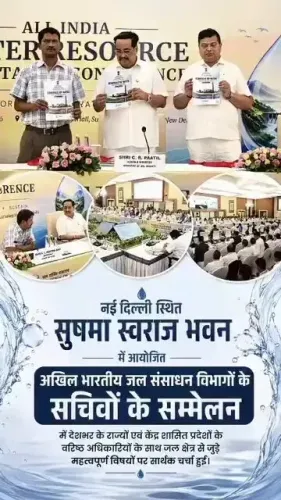
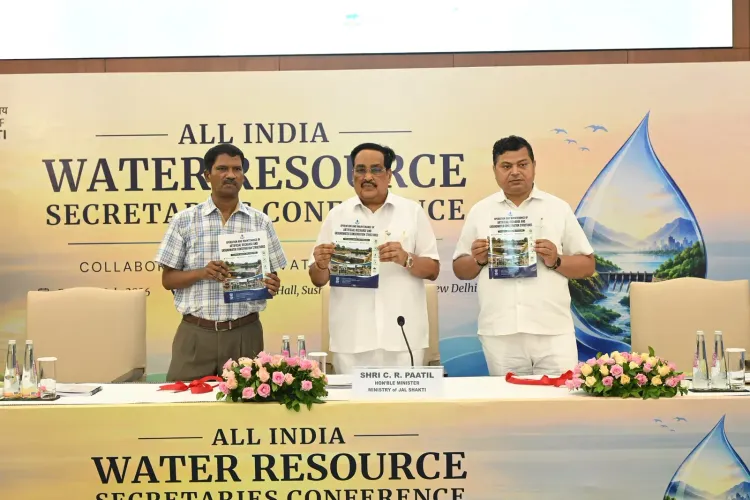
Patil chaired the All-India Conference of Senior Most Secretaries of Water Resources Departments on 13 July in New Delhi .
Key priorities discussed: water conservation , irrigation efficiency , dam safety , modern technology adoption , and inter-state coordination .
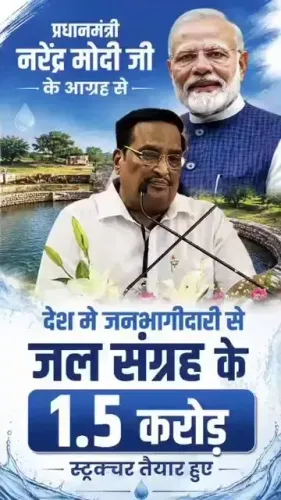
The 'Catch the Rain' initiative of Prime Minister Narendra Modi was reviewed, with emphasis on expanding public participation.
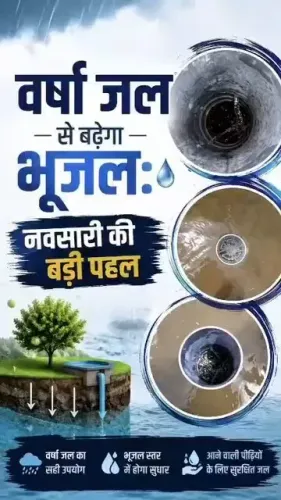
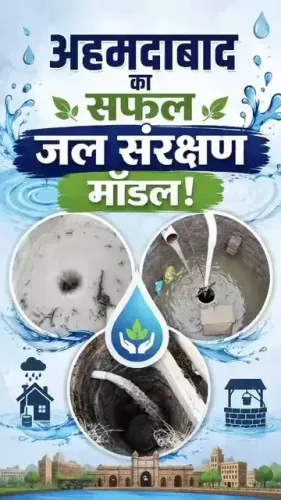
An innovative recharge borewell model in Navsari was highlighted as a replicable community-driven rainwater harvesting success.
The conference aims to strengthen Centre-state coordination and review progress of major national water programmes under the Ministry of Jal Shakti .
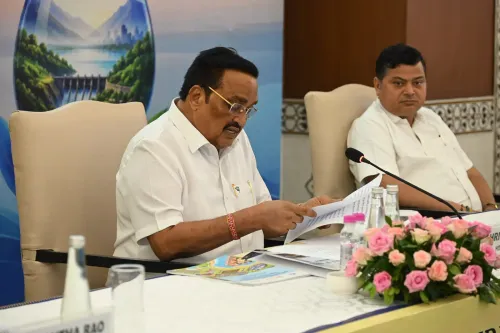
Union Jal Shakti Minister C.R. Patil on Monday, 13 July chaired the All-India Conference of Senior Most Secretaries of Water Resources Departments of states and Union Territories at Chanakya Hall, Sushma Swaraj Bhawan, New Delhi, focusing on strengthening the country's water security through conservation, irrigation efficiency, and improved governance. The high-level conference brought together senior officials from across India to review progress on national water programmes and tighten Centre-state coordination.
Key Agenda and Priorities
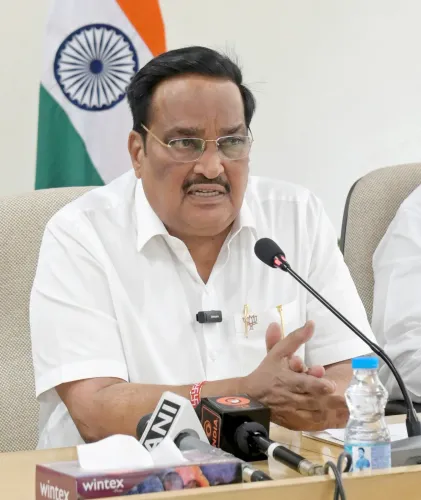
Patil outlined several priority areas during the deliberations, including water conservation, water use efficiency in irrigation, dam safety, improvements in water governance, adoption of modern technology, and stronger inter-state coordination. In a post on X, the minister noted that 'special emphasis was laid on strengthening the country's water security further through water conservation, enhancing water use efficiency in irrigation, dam safety, improvements in water governance, use of modern technology, and better coordination among states.'
Catch the Rain Initiative and Navsari Model
The conference also reviewed progress under Prime Minister Narendra Modi's 'Catch the Rain' initiative, with a particular focus on expanding public participation in rainwater harvesting. Patil highlighted an innovative effort underway in Navsari under the Water Storage Public Participation Campaign, where recharge borewells are being used to channel harvested rainwater into groundwater reserves. 'These structures, built by the district administration and public collaboration, are preventing rainwater from going to waste and continuously enriching the groundwater level,' said Patil. He described the campaign as a 'powerful testament that when administration and society work hand in hand, every drop becomes a precious asset for the future.'
What the Minister Expects from the Conference
Patil expressed confidence that the deliberations would inject fresh momentum into water sector reforms. 'I am confident that the deliberations in this conference and the related suggestions will give a new momentum to reforms in the country's water sector and play an important role in the direction of more effective and scientific management of water resources,' he said. This comes amid growing concern over groundwater depletion and erratic monsoon patterns that have strained water availability across several Indian states in recent years.
Broader Significance
The conference is part of the Ministry of Jal Shakti's sustained push for sustainable water resources management, encompassing policy coordination, institutional strengthening, efficient project implementation, enhanced dam safety, and greater community participation. Notably, this is among a series of such national-level consultations the Ministry has convened to align state governments with the Centre's water security agenda. With India facing long-term water stress — groundwater extraction rates in several states already exceed replenishment — the emphasis on efficiency and community-driven conservation carries added urgency. How effectively the conference's recommendations translate into on-ground implementation across states will be closely watched.
Point of View
Not seasonal — yet national conferences on the subject tend to produce recommendations that dissipate between the meeting room and the district collectorate. The Navsari recharge borewell model is genuinely promising, but it works because of hyper-local administrative will, something that cannot be mandated from New Delhi. The real test of this conference is not the communiqué it produces but whether states with the worst groundwater deficits — Punjab, Haryana, Rajasthan — leave with binding targets rather than aspirational ones. Patil's framing around 'scientific management' is the right language; the accountability architecture to back it is what remains missing from the public record.
NationPress
12 Oct 2026
Frequently Asked Questions
What was the All-India Conference of Senior Most Secretaries of Water Resources Departments?
It was a national-level conference held on 13 July in New Delhi, chaired by Jal Shakti Minister CR Patil, bringing together senior water resources officials from all states and Union Territories to review national water programmes and strengthen Centre-state coordination on water security.
What is the 'Catch the Rain' initiative?
'Catch the Rain' is Prime Minister Narendra Modi's initiative to promote rainwater harvesting and groundwater recharge across India. The conference reviewed its progress and discussed ways to deepen public participation in the campaign.
What is the Navsari water conservation model?
In Navsari, the district administration and local communities have jointly constructed recharge borewells under the Water Storage Public Participation Campaign to channel harvested rainwater into groundwater reserves, preventing runoff waste and replenishing groundwater levels.
What were the key issues discussed at the conference?
The conference focused on water conservation, improving water use efficiency in irrigation, dam safety, water governance reforms, use of modern technology in water management, and better coordination among states and the Centre.
Why does this conference matter for India's water future?
India faces serious long-term water stress, with groundwater extraction exceeding replenishment rates in several states. The conference is part of the Ministry of Jal Shakti's effort to align state policies with national water security goals and accelerate implementation of conservation programmes.