Lok Sabha passes anti-paper leak Bill 2026: 10-year jail, ₹10 crore fine
Synopsis
India's Lok Sabha has passed its toughest-ever anti-paper leak legislation, with organised exam fraud now attracting a minimum seven-year sentence and fines up to ₹10 crore. Triggered by the NEET scandal that brought down an Education Minister, the Bill also mandates two-month investigation deadlines and daily fast-track court hearings — a structural overhaul of how India polices its high-stakes examination system.
Key Takeaways
The Lok Sabha passed the Public Examinations (Prevention of Unfair Means) Amendment Bill, 2026 on 29 July 2026 via voice vote.
Individual offenders face 5–10 years imprisonment and fines up to ₹50 lakh ; organised networks face a minimum 7 years and fines up to ₹10 crore .
Investigations must be completed within 2 months ; trials in special courts must conclude within 3 months of chargesheet filing.
52 FIRs have been registered under the original 2024 anti-paper leak law, according to government figures.
The Bill was introduced by Minister of State Jitendra Singh on 27 July , following the NEET paper leak controversy and the resignation of former Education Minister Dharmendra Pradhan .
States and Union Territories can designate fast-track courts ; the Centre can form a special task force for investigations.
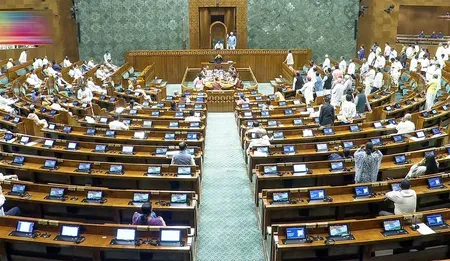
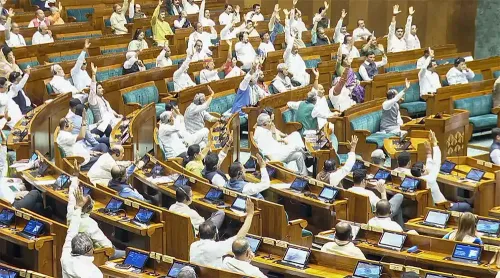
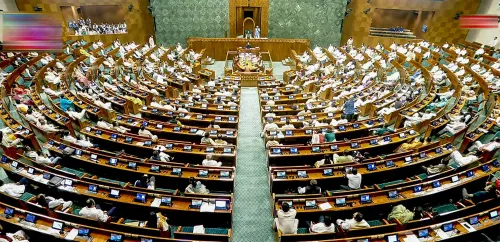
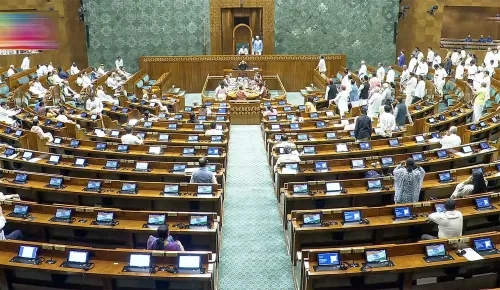
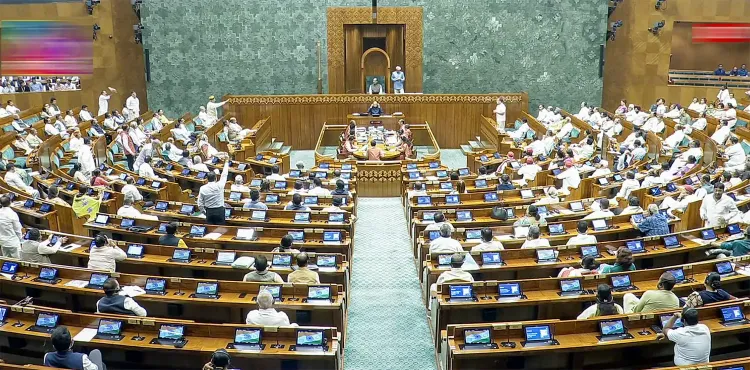
The Lok Sabha on Wednesday, 29 July 2026, passed the Public Examinations (Prevention of Unfair Means) Amendment Bill, 2026 through a voice vote, introducing the country's toughest penalties yet for examination fraud and paper leaks. The legislation targets organised networks that compromise competitive exams conducted by agencies including the Union Public Service Commission (UPSC), Staff Selection Commission (SSC), and the National Testing Agency (NTA).
Key Provisions of the Amended Law
Under the amended legislation, individuals found guilty of leaking examination papers or employing unfair means face imprisonment of five to ten years and a fine of up to ₹50 lakh. For those operating as part of organised paper leak networks or orchestrating large-scale examination fraud, the penalties are considerably steeper — a minimum sentence of seven years and a fine of up to ₹10 crore.
The Bill also mandates strict timelines: investigations must be wrapped up within two months, while special courts are required to hold daily hearings and complete trials within three months of the chargesheet being filed. State governments and Union Territory administrations will have the authority to designate fast-track courts for cases registered under the law, and the Centre will retain the power to constitute a special task force for investigations wherever deemed necessary.
Background: NEET Controversy and the Push for Reform
The amendment was introduced in the Lok Sabha on 27 July by Minister of State in the Prime Minister's Office, Jitendra Singh, against the backdrop of nationwide outrage over examination irregularities. The NEET paper leak controversy had earlier triggered widespread student protests and Opposition demonstrations, and had reportedly led to the resignation of former Education Minister Dharmendra Pradhan.
This comes amid a broader pattern of examination fraud cases that have shaken public confidence in India's competitive recruitment system. According to government figures, 52 FIRs have been registered since the original anti-paper leak law came into force in 2024 — underscoring the scale of the problem the amendment seeks to address.
What the Government Said
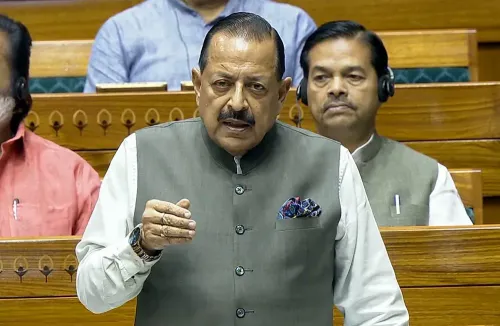
Addressing the House, Jitendra Singh said the Union government had acted swiftly in previous paper leak cases, including the NEET matter. He argued that the amendment reflects the government's willingness to learn from past experiences and build a more robust examination ecosystem. Singh also criticised Opposition members for what he described as disrupting parliamentary proceedings, alleging that attempts were being made to politicise the issue rather than engage with solutions. He defended the handling of student protests, stating that authorities had exercised 'maximum restraint' while maintaining public order.
Opposition's Stand
Opposition members continued to raise concerns during the debate, flagging alleged police action against protesting students and demanding greater accountability in how competitive examinations are managed. They have consistently maintained that the government's response to the NEET crisis was inadequate and reactive rather than systemic.
What This Means for Students
The Union government stated that the amended law is designed to safeguard the futures of the millions of students who appear for competitive examinations each year, ensuring greater transparency, fairness, and accountability in the recruitment process. With fast-track courts and a dedicated task force now part of the framework, authorities aim to significantly reduce the impunity with which paper leak networks have historically operated. Whether the new deterrents translate into measurable outcomes will be closely watched in the months ahead.
Point of View
But India has a long history of strong-on-paper laws that falter at enforcement. The real test will be whether the two-month investigation mandate and fast-track courts are adequately resourced, or whether they become aspirational timelines like so many before them. Notably, the 52 FIRs filed since 2024 have not yet produced high-profile convictions — a gap the amendment must close to be credible. The Opposition's concerns about student protest policing also deserve a formal response, not just a parliamentary rebuttal.
NationPress
29 Jul 2026
Frequently Asked Questions
What is the Public Examinations Amendment Bill 2026?
It is a law passed by the Lok Sabha on 29 July 2026 that strengthens penalties for examination fraud and paper leaks in India. The amendment targets individuals and organised networks that compromise competitive exams conducted by bodies such as UPSC, SSC, NTA, railways, and banking recruitment agencies.
What are the punishments under the new anti-paper leak law?
Individual offenders face 5 to 10 years in prison and fines up to ₹50 lakh. Those involved in organised paper leak networks or large-scale fraud face a minimum sentence of 7 years and fines up to ₹10 crore.
Why was the anti-paper leak Bill introduced in 2026?
The Bill was introduced following nationwide protests over the NEET paper leak controversy, which also led to the resignation of former Education Minister Dharmendra Pradhan. The government cited 52 FIRs registered since the original 2024 law as evidence of the scale of the problem.
How quickly will paper leak cases be investigated and tried?
Under the amended law, investigations must be completed within two months. Special courts are required to hold daily hearings and conclude trials within three months of the chargesheet being filed.
Who is affected by the new examination fraud law?
The law covers all competitive examinations conducted by central agencies including UPSC, SSC, NTA, railway recruitment boards, and banking recruitment bodies. It protects the millions of students who appear for these exams each year, while creating strong deterrents for those who seek to compromise them.