Revival of Traditional Handicrafts in J&K: A Beacon of Hope for Artisans
Synopsis
Discover how the revival of traditional crafts in Jammu and Kashmir is offering artisans renewed hope and opportunities. From wall painting to Pashmina weaving, explore the impact of government initiatives on these historic art forms.
Key Takeaways
Traditional crafts like wall painting and Pashmina weaving are revitalizing in Jammu and Kashmir.
Government initiatives are crucial in promoting and supporting these art forms.
Artisans are integrating traditional skills with modern market demands.
Local weavers are becoming entrepreneurs, expanding their reach.
This revival is generating new job opportunities within the community.
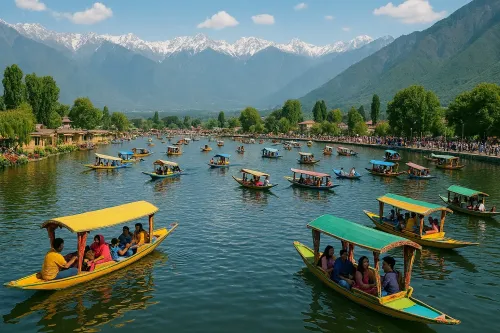
Jammu, March 16 (NationPress) The revival of traditional crafts such as wall painting, Khadi-based cotton weaving, and Pashmina weaving—previously facing extinction in Jammu and Kashmir—is witnessing a remarkable resurgence today. This resurgence is empowering the local community to fully utilize their craftsmanship.
Noteworthy are various Central government initiatives and policies aimed at promoting traditional industries, thereby offering artisans in the realm of arts and handicrafts fresh avenues.
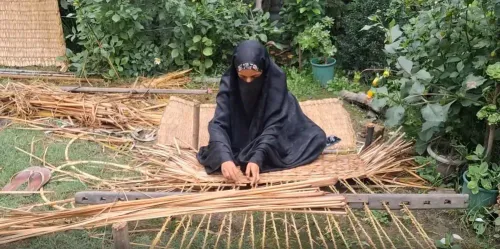
Today, artisans and weavers are stepping towards self-sufficiency by merging their age-old skills with contemporary markets.
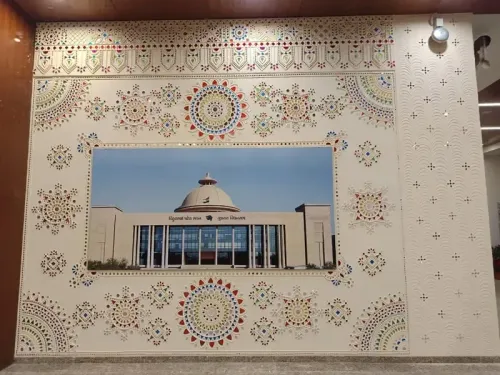
Wall painting, a historic artistic tradition in the Jammu region, is prominently displayed on the walls of temples, ancient palaces, and havelis (traditional mansions). These artworks narrate religious tales, local folklore, and portray scenes from everyday life. Presently, this ancient art form is being revived by a new generation of artists and researchers. Young creatives involved in Fine Arts and Museology are not only safeguarding this craft but are also providing it with a modern edge.
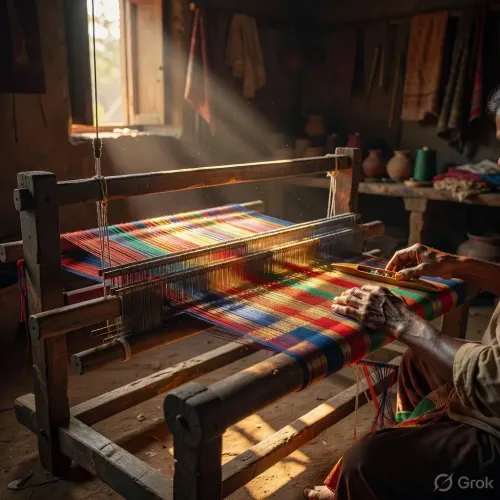
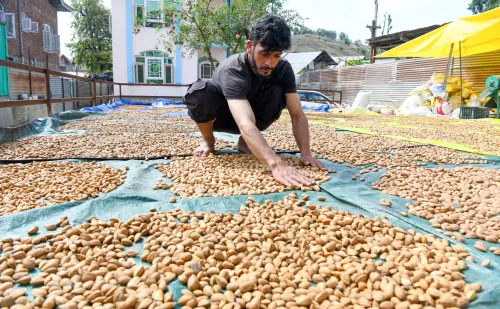
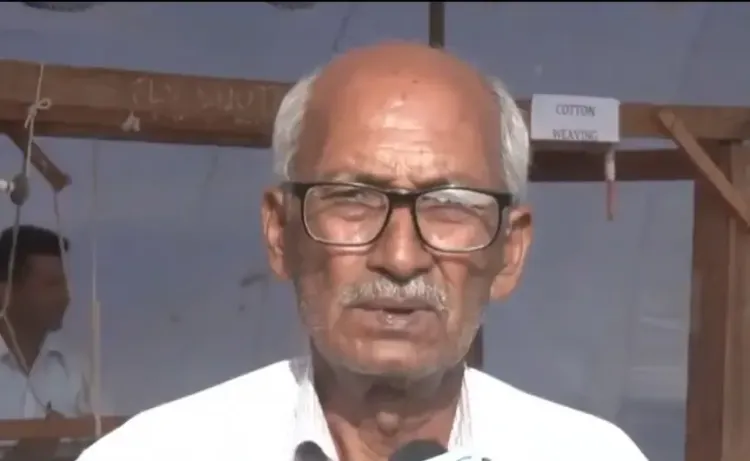
The Khadi and Handloom sector holds longstanding significance in Jammu. Eco-friendly hand-woven cotton serves as a key source of livelihood for the local artisans. Thanks to initiatives by the Department of Khadi and Handloom, artisans are gaining access to essential training, tools, and markets, thus reinvigorating this traditional industry with renewed energy.
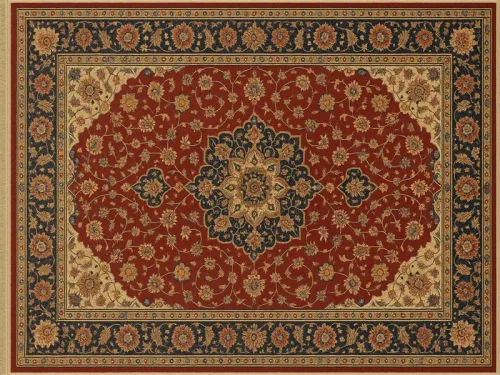
Pashmina weaving is a celebrated and historic craft in Jammu and Kashmir, maintained by numerous families across generations. This intricate art involves creating items from exceptionally fine wool and is in high demand on the international stage.
As they work to preserve this traditional craft, local weavers are also evolving into entrepreneurs, expanding their products to broader markets.
Artisans engaged in traditional sectors like art, Khadi, and Pashmina express that government incentives and schemes have significantly boosted their efforts.
This support has not only aided in the preservation of traditional arts and crafts but has also opened up new opportunities for employment and self-employment within the local community.
Point of View
This revival of traditional crafts in Jammu and Kashmir represents a significant cultural and economic shift. It highlights the importance of preserving heritage while adapting to modern markets, ensuring that local artisans thrive in an evolving economic landscape.
NationPress
19 Sept 2026
Frequently Asked Questions
What traditional crafts are gaining popularity in Jammu and Kashmir?
Traditional crafts such as wall painting, Khadi-based cotton weaving, and Pashmina weaving are experiencing a resurgence in Jammu and Kashmir.
How are government initiatives supporting artisans?
Various government schemes are promoting traditional industries and providing artisans access to training, tools, and markets.
What is the significance of Khadi in Jammu and Kashmir?
Khadi holds cultural significance and serves as a primary livelihood source for local artisans, emphasizing eco-friendly practices.
How has Pashmina weaving evolved in recent years?
Pashmina weaving remains a historic craft, with local weavers becoming entrepreneurs, expanding their products to international markets.
What opportunities are created for local artisans?
The revival of these traditional crafts has generated new employment and self-employment opportunities for the local population.