What Vibrant Cultural Extravaganza Unfolded on Day Three of the Hornbill Festival in Nagaland?
Synopsis
The third day of the Hornbill Festival 2025 in Nagaland showcased a spectacular array of performances from 18 tribal troupes. This vibrant celebration highlights the rich cultural heritage of the Naga communities, drawing visitors into an immersive experience that reflects their traditions and unity. Don't miss out on the captivating performances that define this unique festival!
Key Takeaways
Vibrant cultural performances from 18 Naga troupes.
Traditional dances and folk traditions highlighting tribal identities.
Significant participation from various dignitaries and officials.
Emphasis on unity among the Naga tribes.
Annual celebration promoting cultural heritage.
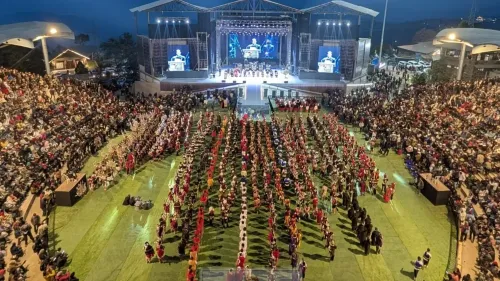
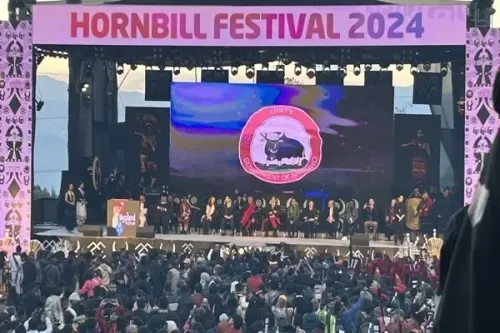
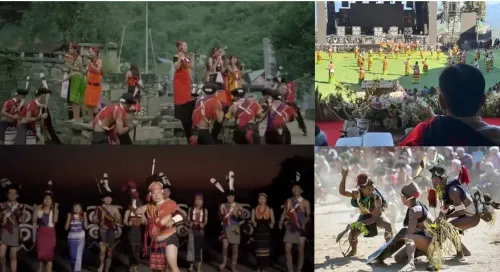
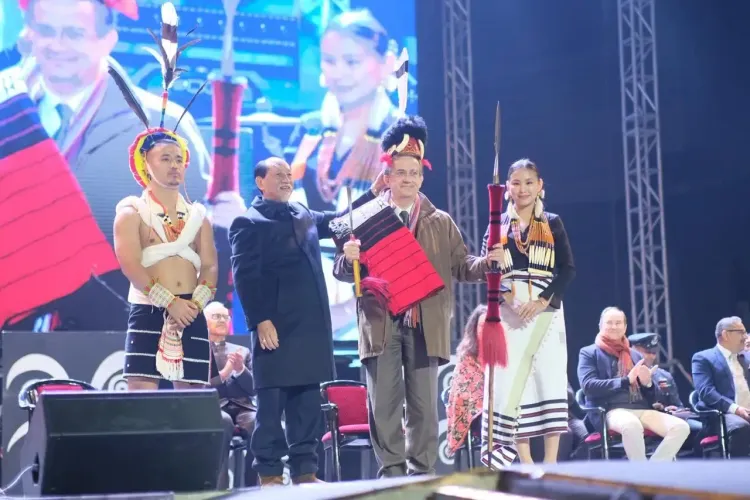
Kohima, Dec 3 (NationPress) The third day of the Hornbill Festival 2025, a 10-day celebration, burst with life on Wednesday at the Naga Heritage Village, Kisama. Here, 18 troupes from various Naga communities mesmerized attendees with their diverse and visually stunning performances.
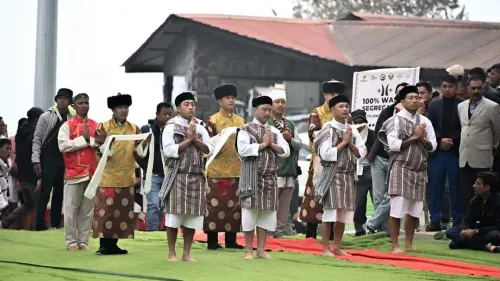
The cultural showcase was conducted traditionally by Deputy Chief Minister Yanthungo Patton, with K. Tokugha Sukhalu serving as co-host. Notable guests included Jigme Thinlye Namgyal, the Ambassador of Bhutan, Air Marshal Surat Singh, Lt. Gen. Mohit Wadhwa, and Simon Lee Broughton, among other dignitaries.
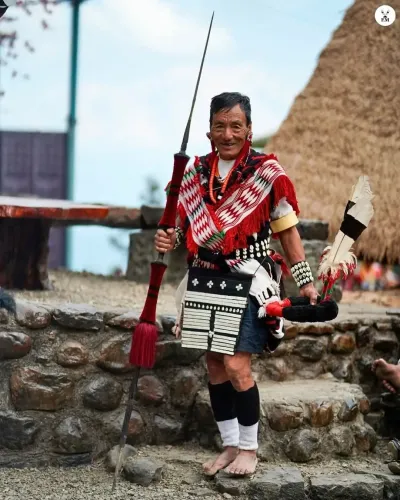
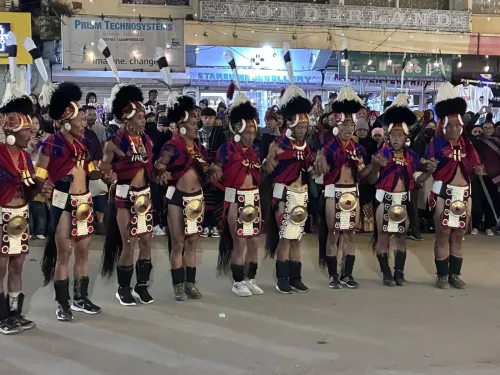
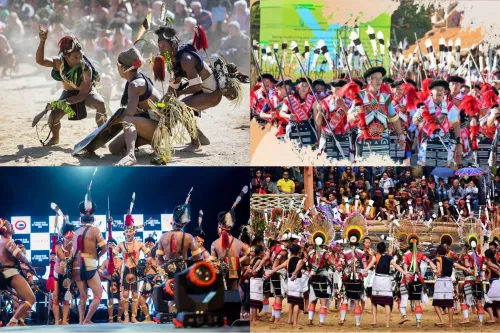
Officials from the Tourism Department reported a vibrant display of Naga cultural dances and folk traditions, each representing the unique identity of the tribes. The Zeliang troupe performed Akoina Lin, an energetic folk dance often seen during significant gatherings, particularly among the youth.
This performance symbolized the joy of celebration, likening the dancers to falcons and butterflies. The Yimkhiung Cultural Troupe introduced Kha Kiaklak Rhimo, followed by the Tikhar troupe, which showcased Tainang Jong Paihi Ai, a women’s folk dance celebrated during major festivals, highlighting themes of praise, hospitality, and the sharing of fine wine.
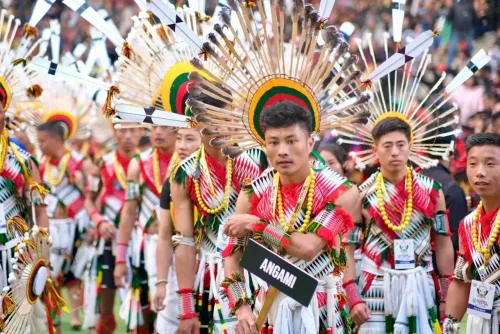
The Sumi troupe exhibited Akikiti, a traditional kick-fighting sport performed within a circular arena. This sport, traditionally practiced by young boys in the morung, emphasizes skill, fitness, and self-defense, typically showcased during festivals such as Tuluni, Ahuna, and Tixini. Various cultural performances were also presented by troupes from the Sangtam, Rengma, Tseminyu, Pochury, Phom, Lotha, Kuki, Angami, Kachari, Garo, Chang, Chakhesang, Ao, and Konyak communities.
The third day of the Hornbill Festival provided an enchanting journey through the cultural richness, traditions, and storytelling heritage of the Naga tribes, leaving visitors with a truly immersive and unforgettable experience, as stated by the officials.
At the festival's opening ceremony on December 1, Chief Minister Neiphiu Rio, who is hosting the 10-day celebration, remarked that the Hornbill Festival reflects the Nagas' way of life, embodying their unity and oneness.
He expressed that it represents their rich legacy, living traditions, and respect for ancestors. Notably, over 86 percent of the state’s population, as per the 2011 Census, belong to tribal communities.
Nagaland is home to 17 major tribes along with numerous sub-tribes, each boasting a unique cultural heritage, traditional dances, music, attire, and customs. This year's festival, in its 26th edition, has partner countries including Austria, France, Ireland, Malta, Switzerland, and the United Kingdom, with Arunachal Pradesh serving as the state partner.
Point of View
The Hornbill Festival serves as a crucial platform for promoting the rich cultural tapestry of Nagaland. It emphasizes the importance of preserving tribal heritage and fostering unity among diverse communities. The festival not only attracts visitors from across the nation but also reinforces regional cooperation, highlighting the unique identity of the Naga people.
NationPress
25 Sept 2026
Frequently Asked Questions
What is the Hornbill Festival?
The Hornbill Festival is an annual celebration held in Nagaland, showcasing the rich cultural heritage of the Naga tribes through music, dance, and traditional performances.
How long does the Hornbill Festival last?
The festival typically spans 10 days, from December 1 to December 10.
Where is the Hornbill Festival held?
The festival is held at the Naga Heritage Village in Kisama, near Kohima, Nagaland.
Who can participate in the Hornbill Festival?
The festival features participation from various Naga tribes, showcasing their unique cultural practices and traditions.
Is the Hornbill Festival open to tourists?
Yes, the festival is open to tourists and attracts visitors from all over the world.