Dantewada Students Crack NEET 2026, Super-30 Drives Tribal Medical Dreams
Synopsis
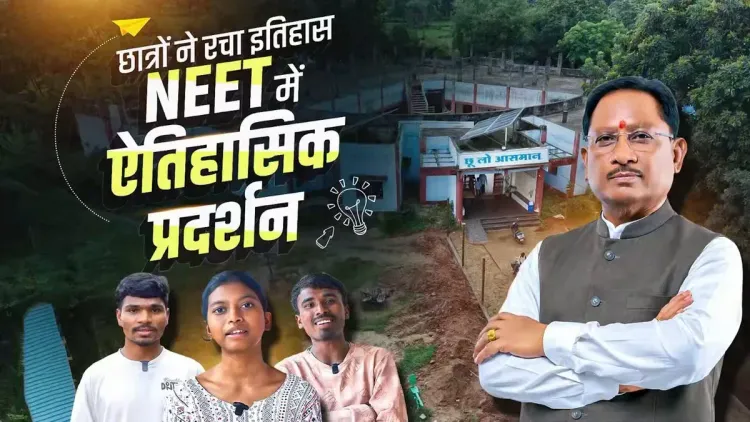
The Chhattisgarh CMO on 24 July 2026 announced that 52 students from conflict-affected Dantewada qualified in NEET 2026 and 22 Super-30 students secured medical seats, with girls from Karli highlighted as symbols of the district's educational transformation.
Key Takeaways
52 students from Dantewada district cleared NEET 2026 , according to the Chief Minister's Office of Chhattisgarh.
22 students from the state-backed Super-30 coaching programme were selected for medical and allied health courses.
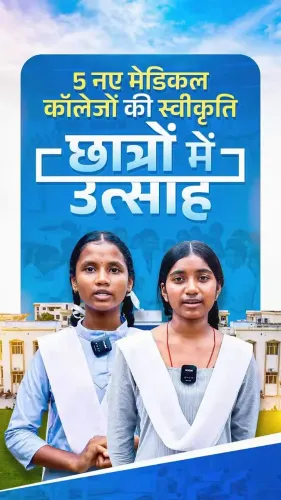
Girls from the village of Karli were specifically cited for their outstanding performance in the national entrance exam.
Dantewada , part of the Bastar division, is a historically conflict-affected tribal district that has been a focus of the state's post-conflict education drive.
The results are being positioned under the Viksit Chhattisgarh and Sushaasan Sarkar policy frameworks championed by CM Vishnu Deo Sai .
Chhattisgarh has run residential schooling and coaching schemes for tribal students in Naxal-affected districts since the early 2000s.
The Chief Minister's Office of Chhattisgarh on Friday, 24 July 2026 highlighted a landmark education milestone from Dantewada, announcing that 52 students from the district qualified in NEET 2026 and 22 students from the state-supported Super-30 programme secured seats in medical and allied health courses, with girls from the village of Karli drawing special praise for their performance.
Context
The CMO post, shared with the hashtags #NayaDantewada and #ViksitChhattisgarh, frames the results as proof that the government's education drive is reaching the remotest corners of the state. Translated from Hindi, the post reads: 'From struggle to success — an inspiring story from Dantewada. The visionary education policy and sustained efforts of the good-governance government have given new identity to talents from remote areas and new wings to their dreams.' Chief Minister Vishnu Deo Sai and Dantewada District administration were tagged in the post.
Dantewada, located in the Bastar division of southern Chhattisgarh, has for decades been among India's most conflict-affected districts due to left-wing extremism. The district has a predominantly tribal population, and access to quality secondary and competitive-exam coaching has historically been limited.
Policy Backdrop
Chhattisgarh has operated targeted residential schooling and coaching schemes for tribal students in Naxal-affected districts since the early 2000s, with the goal of improving literacy rates and competitive-examination outcomes. The Super-30 initiative — modelled on similar national programmes — provides intensive, state-supported coaching to underprivileged students preparing for medical and engineering entrance tests.
The current government has aligned these efforts under the Viksit Chhattisgarh and Sushaasan Sarkar ('good-governance government') narratives, positioning education access in former conflict zones as a pillar of post-conflict rehabilitation alongside security operations. The specific mention of girls from Karli reflects a wider state emphasis on female participation in higher education and human-capital formation in tribal belts.
Stakeholders and Impact
The immediate beneficiaries are the 52 NEET 2026 qualifiers and the 22 Super-30 students who have earned pathways into medical colleges and allied health programmes — opportunities that were structurally out of reach for most Dantewada families a generation ago. For the district's tribal communities, a seat in a medical course represents not only individual mobility but a potential supply of local healthcare professionals in a region chronically underserved by doctors.
The spotlight on Karli's daughters also signals a gender dimension: girls in remote Bastar villages clearing a national-level entrance examination carries significance for families and communities where girls' secondary schooling itself was once disrupted by conflict and poverty.
What's Next
Policy watchers will look for whether the Super-30 model is extended to other Bastar districts — such as Sukma, Bijapur, and Narayanpur — which share similar socio-economic profiles. Subsequent NEET counselling rounds will determine how many of the 52 qualifiers ultimately secure government medical-college seats. The state government's ability to sustain coaching infrastructure, hostel facilities, and faculty in these remote locations will be the real test of whether this year's results mark a turning point or a one-off spike.
Point of View
Using verifiable exam outcomes to reinforce the 'Sushaasan Sarkar' brand in a district that has long been associated with conflict rather than development. By naming Karli's girls explicitly, the government signals that its education push has a gender equity dimension — a politically resonant message as Chhattisgarh prepares for future electoral cycles. The Super-30 frame also allows the state to draw a direct line between policy investment and measurable output, making it harder for critics to dismiss the results as incidental. If the model scales to other Bastar districts, it could reshape the political economy of the entire division, converting a security narrative into a development dividend.
NationPress
24 Jul 2026
Frequently Asked Questions
How many students from Dantewada cleared NEET 2026?
According to the Chief Minister's Office of Chhattisgarh, 52 students from Dantewada district qualified in NEET 2026 .
What is the Super-30 programme in Chhattisgarh?
The Super-30 is a state-supported intensive coaching initiative in Chhattisgarh that prepares underprivileged and tribal students for medical and engineering entrance examinations, modelled on similar national programmes.
Who are the girls from Karli mentioned in the Chhattisgarh CMO post?
The CMO post praised girls from the village of Karli in Dantewada for their outstanding performance in NEET 2026 , highlighting them as symbols of educational progress in the tribal district.
What is Viksit Chhattisgarh?
Viksit Chhattisgarh is a development vision articulated by the Vishnu Deo Sai government, emphasising growth and welfare across the state, including education access in remote and tribal regions.
Why is Dantewada's education progress significant?
Dantewada is a predominantly tribal district in the Bastar division of southern Chhattisgarh that was long affected by left-wing extremism, making access to quality education and competitive-exam coaching historically very limited.