Is India Positioning Delhi AI Summit as a Major Moment in Global Tech Diplomacy?
Synopsis
The AI Impact Summit in New Delhi is not just another event; it's a potential turning point in global tech diplomacy, aiming to unite 100 nations in the governance of artificial intelligence. Ambassador Vinay Kwatra discusses the summit's significance, emphasizing a collaborative approach that could redefine the future of AI.
Key Takeaways
New Delhi will host the AI Impact Summit, gathering 100 countries.
The event aims to create inclusive governance frameworks for AI.
Ambassador Vinay Kwatra emphasizes the summit's role in global tech diplomacy.
Collaboration between India and the US tech industries is a focal point.
The summit focuses on principles of People, Planet, and Progress.
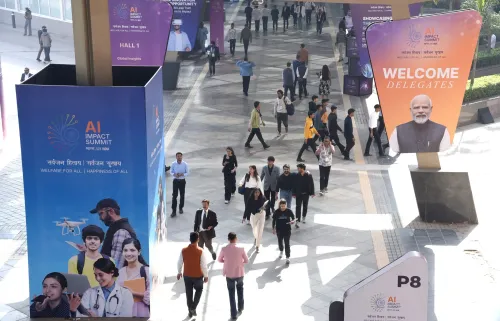
Washington, Dec 7 (NationPress) The forthcoming AI Impact Summit in New Delhi is set to unite representatives from 100 countries to establish inclusive and equitable governance for artificial intelligence, as stated by Ambassador Vinay Kwatra during discussions with senior US officials and tech leaders, highlighting the event as a pivotal moment in India's global tech diplomacy.
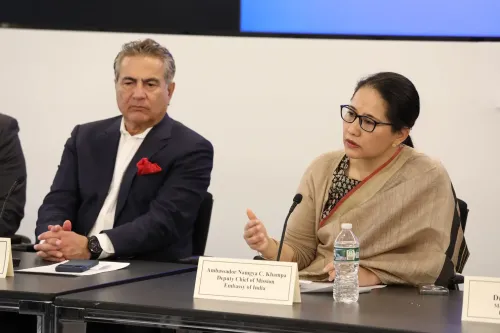
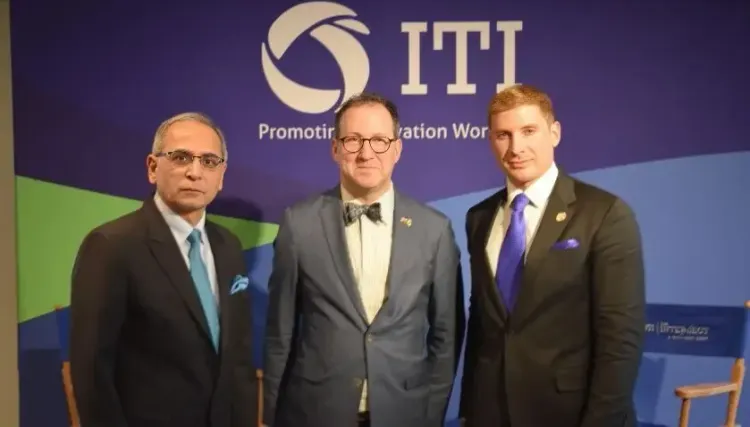
Kwatra addressed attendees at a pre-summit event in Washington this week, organized by the global tech trade association ITI, in collaboration with the India AI Mission and the Embassy of India. This gathering served as a platform for Indian and American officials to share their visions for the upcoming summit in Delhi, which India is positioning as a landmark step towards achieving international consensus on responsible AI.
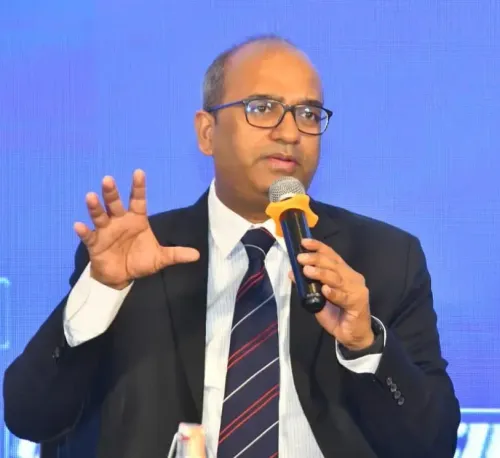
The ambassador emphasized that the summit is grounded in the principles of “People, Planet, and Progress,” underlining India’s commitment to ensuring that AI fosters inclusive development. “We are bringing together governments and leading experts from 100 countries to shape actionable recommendations that ensure AI does not deepen global divides but delivers measurable, inclusive impact for all,” he stated.
Kwatra informed American business leaders that the Delhi summit provides a significant opportunity for collaboration. “For American companies, this Summit represents an important opportunity to co-create the future of open, safe, and equitable AI alongside India’s unmatched scale, talent, and innovation ecosystem—a partnership that will define responsible leadership in the AI era,” he remarked.
US Under Secretary of State for Economic Affairs Jacob Helberg underscored the necessity of enhancing cooperation with India as AI policies evolve. “The United States is the world’s largest economy, and India is the world’s most populous country. There are no limits to what America and India can achieve together,” he stated.
Helberg characterized the two nations as “complementary partners” in their endeavors to secure and grow the AI economy, noting that shared democratic values are paving the way for new opportunities in critical technology sectors. He expressed anticipation for further discussions with Indian officials at the “upcoming AI Action Summit.”
ITI President and CEO Jason Oxman remarked that the tech industry perceives the Delhi summit as a crucial global gathering. “To realize its fullest economic and societal benefit, AI policy requires strong international partnerships and global alignment,” he mentioned. Oxman added that ITI and its member companies are at the forefront of both AI’s development and global policies, reinforcing the tech industry’s vital role.
In a social media post, ITI characterized the Washington discussions as a “robust” exchange on how AI can drive economic growth and enhance technological leadership. Kwatra, in a separate post, declared that the Delhi summit “will bring together governments and top experts from across the globe to shape inclusive, responsible AI that benefits all,” calling it a “unique chance to co-create the future of open, safe, and equitable AI along with India’s scale, talent, and innovation.”
India has consistently broadened its diplomatic outreach regarding technology governance, building on its experience leading global dialogues during its G20 presidency. New Delhi has stressed that AI frameworks must prioritize development, access, and equity—an approach that resonates with countries across the Global South.
Point of View
The Delhi AI Summit represents a significant stride in India's diplomatic engagement on technology governance. By uniting diverse nations, India is not only asserting its leadership in AI but also ensuring that the framework prioritizes inclusivity and equitable development for all, resonating with the Global South's aspirations.
NationPress
3 Oct 2026
Frequently Asked Questions
What is the AI Impact Summit?
The AI Impact Summit is an upcoming event in New Delhi that aims to bring together 100 countries to discuss and shape inclusive governance of artificial intelligence.
Who is participating in the summit?
The summit will feature representatives from 100 countries, including government officials and leading experts in artificial intelligence.
What are the main goals of the summit?
The main goals include fostering international collaboration on AI governance, ensuring equitable development, and establishing actionable recommendations for AI implementation.
Why is this summit significant for India?
This summit signifies India's leadership in global tech diplomacy and its commitment to shaping responsible AI frameworks that address global inequalities.
How does the summit relate to India's G20 presidency?
India's G20 presidency has bolstered its experience in leading global discussions on governance, which it aims to expand upon during the AI summit.