When Will the Delhi Assembly Winter Session Commence?
Synopsis
The upcoming Winter Session of the Delhi Assembly, commencing on January 5, 2026, is set to address crucial topics including pollution control measures and the Electric Vehicle Policy. With significant discussions planned, this session promises to bring important insights into the governance of the National Capital Territory.
Key Takeaways
The Winter Session of the Delhi Assembly starts on January 5, 2026.
Saxena has summoned the session.
Key discussions will revolve around pollution control and the Electric Vehicle Policy.
The session is likely to last until January 8, 2026.
The implementation of the Audit Para Monitoring System (APMS) signifies progress towards transparency.
New Delhi, Dec 26 (NationPress) The Winter Session of the Delhi Assembly is set to commence on January 5, 2026. This announcement was made by Lt Governor (L-G) V.K. Saxena, who issued the official summons for the session on Friday.
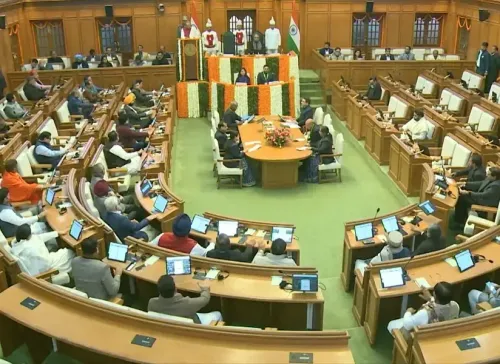
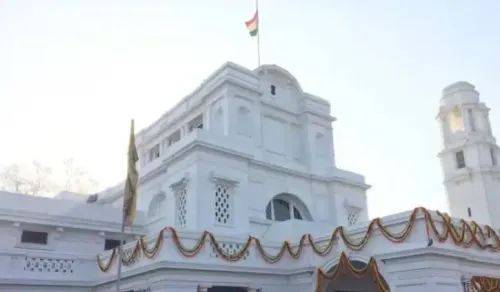
The L-G stated, "In the exercise of the powers granted to me under Section 6(1) of the Government of National Capital Territory of Delhi Act, 1991 (Central Act No. 1 of 1992), I hereby summon the Fourth Session (Winter Session) of the Eighth Legislative Assembly of the National Capital Territory of Delhi to convene at the Assembly Hall, Old Secretariat, Delhi-110054, on Monday, January 5, 2026, at 2.00 p.m."
The Secretary of the Legislative Assembly, Ranjeet Singh, circulated a copy of the L-G's summons to all MLAs and officials, notifying them of the session's start date.
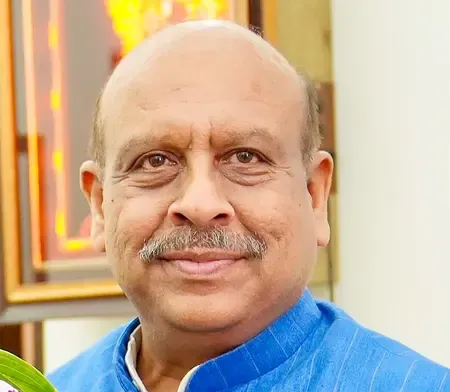
This session is anticipated to continue at least until January 8 and could be prolonged by Speaker Vijender Gupta if necessary to address pending business.
Sources from the Delhi government indicated that the agenda will likely include discussions on Action Taken Reports related to Comptroller and Auditor General (CAG) reports, as well as the government's efforts to tackle pollution.
Additionally, the session may delve into the details of the Electric Vehicle (EV) Policy, alongside updates from Chief Minister Rekha Gupta regarding Ayushman Arogya Mandirs, Atal Canteens, and the Pink Mobility cards initiative for women traveling free on Delhi Transport Corporation (DTC) buses.
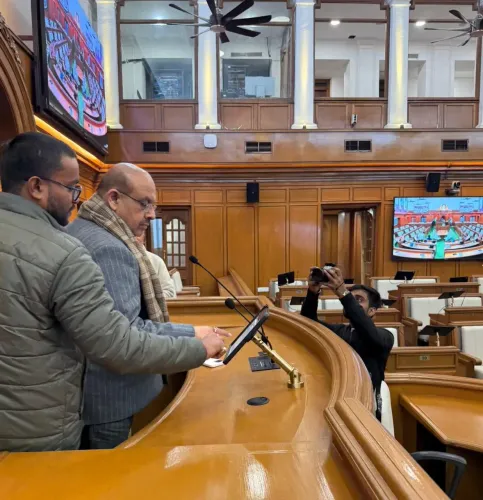
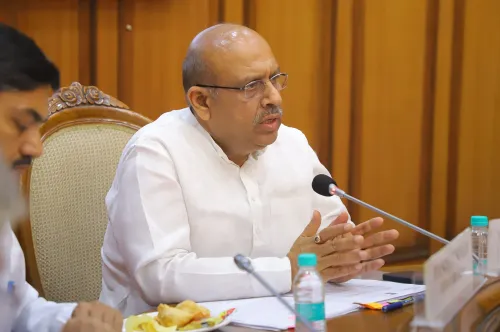
In preparation for the session, Speaker Vijender Gupta reviewed the status of actions taken on reports issued by the Comptroller and Auditor General of India.
During discussions with senior officials, the Speaker mentioned that incomplete or informal responses to audit observations were creating obstacles in audit follow-ups, hindering the effective functioning of the Public Accounts Committee (PAC).
He emphasized that the implementation of the Audit Para Monitoring System (APMS) in the Delhi Assembly represents a crucial advancement towards transparency and accountability in audit processes.
"The APMS is now fully operational within the Government of the National Capital Territory of Delhi, making Delhi arguably the first State Assembly in the country to adopt such a comprehensive real-time audit monitoring portal," Gupta remarked.
In a previous meeting this month, the Speaker systematically addressed challenges related to audit follow-ups. It was highlighted that many responses submitted by departments did not adhere to the required format, rendering them unsuitable for presentation before the PAC, as stated in an official release.
Point of View
The forthcoming Winter Session of the Delhi Assembly is pivotal, given its focus on pressing issues such as pollution and the implementation of new policies. As the assembly reconvenes, it is crucial for lawmakers to engage constructively to address the challenges faced by the city, ensuring a balanced approach towards development and environmental sustainability.
NationPress
7 Oct 2026
Frequently Asked Questions
When does the Winter Session of the Delhi Assembly start?
The Winter Session of the Delhi Assembly begins on January 5, 2026.
Who issued the summons for the session?
The summons for the session was issued by Lt Governor V.K. Saxena.
What topics will be discussed in the session?
The session will discuss Action Taken Reports related to CAG findings, pollution control measures, the Electric Vehicle Policy, and updates on various government initiatives.
How long is the session expected to last?
The session is expected to last at least until January 8, 2026, with the possibility of extension.
What is the Audit Para Monitoring System (APMS)?
The APMS is a real-time audit monitoring portal implemented in the Delhi Assembly to enhance transparency and accountability in audit follow-ups.