Delhi landfill clearance: 2.16 crore MT waste processed, 100 acres reclaimed at Okhla, Bhalswa, Ghazipur
Synopsis
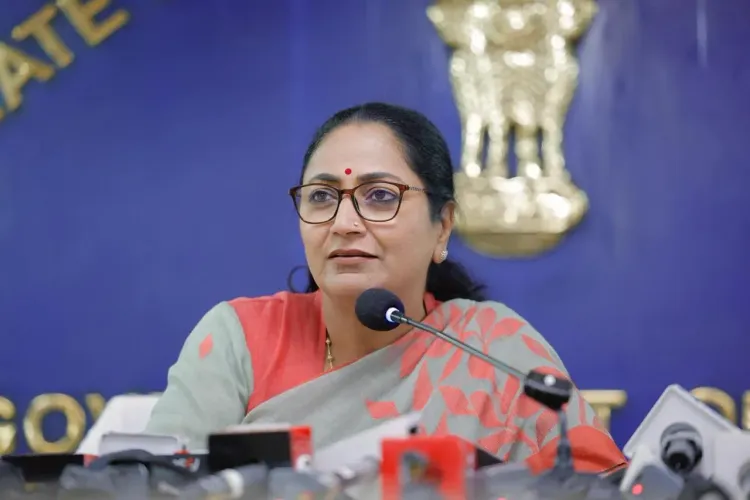
Delhi's three notorious garbage mountains — Okhla, Bhalswa, and Ghazipur — have collectively yielded 100 acres of reclaimed land after 2.16 crore metric tonnes of waste were processed, Chief Minister Rekha Gupta announced. With four Waste-to-Energy plants in the pipeline, the government is betting on a zero-accumulation model to ensure new mountains never rise again.
Key Takeaways
Delhi CM Rekha Gupta announced on 30 August that 2.16 crore metric tonnes of waste have been processed across three legacy landfills.
100 acres of land have been reclaimed: 35 acres at Okhla, 45 acres at Bhalswa, and 20 acres at Ghazipur.
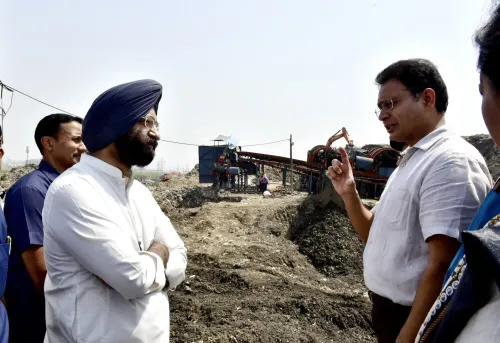
Inert material from Ghazipur is being reused to fill low-lying areas and as road sub-base material.
The government has completed preparations for four new Waste-to-Energy plants to process Delhi's daily waste output in real time.
Independent verification of the clearance figures has not been reported.
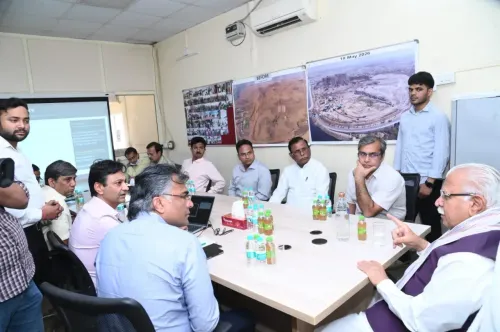
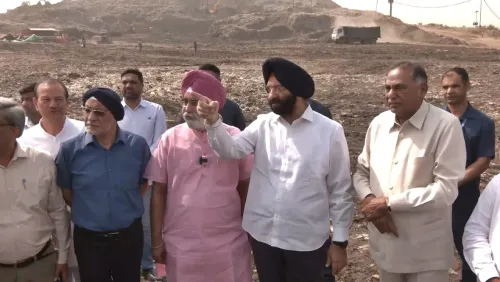
Delhi Chief Minister Rekha Gupta on Sunday, 30 August announced that the city government's scientific waste-processing drive across the three legacy landfills — Okhla, Bhalswa, and Ghazipur — has so far cleared approximately 2.16 crore metric tonnes of garbage and reclaimed 100 acres of land. The milestone marks a significant step in Delhi's long-running battle against its towering garbage mountains, which have blighted surrounding neighbourhoods for decades.
Site-wise Breakdown
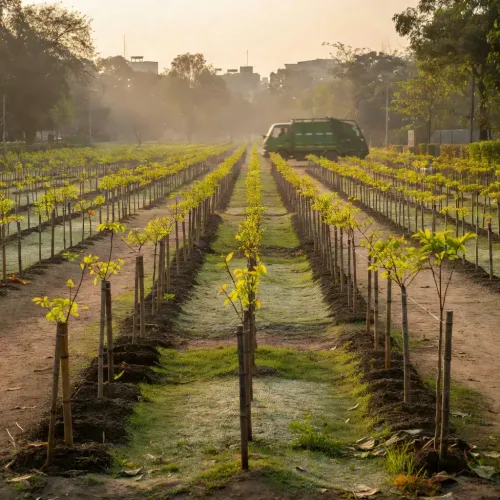
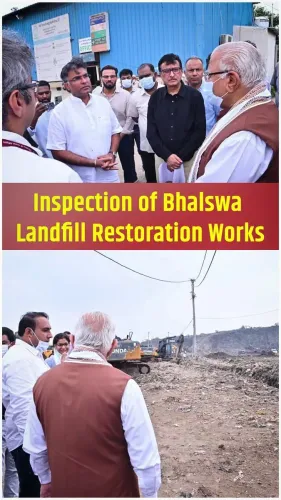
At Okhla, around 70 lakh metric tonnes of waste have been processed, freeing up 35 acres of land. Bhalswa has seen the largest haul — approximately 102 lakh metric tonnes cleared, with 45 acres reclaimed. At Ghazipur, roughly 44 lakh metric tonnes have been processed, recovering 20 acres of usable land.
What the Government Said
Chief Minister Gupta said the administration had committed to removing the garbage mountains and pursued that goal through 'a scientific roadmap, dedication and a time-bound approach.' She noted that the drive goes beyond mere removal: inert material recovered at Ghazipur is being reused to fill low-lying areas and prepare road sub-bases, ensuring that the by-products of processing are not wasted. 'A cleaner and better environment will help promote a healthier lifestyle,' she said. 'Reclaiming such a large stretch of land from garbage mountains in the national capital is a significant achievement.'
Impact on Residents
For communities living adjacent to the three sites, the visible change is already being felt. The Chief Minister said that residents and daily commuters passing through these corridors can see a markedly improved environment, and that the quality of life for those living nearby is steadily improving. Delhi's legacy landfills have long been associated with toxic leachate, methane emissions, and chronic respiratory complaints among local populations.
Plans to Prevent New Garbage Mountains
Beyond clearing existing waste, the government has outlined a forward-looking strategy to ensure that fresh accumulation does not recur. Preparations have reportedly been completed for setting up four new Waste-to-Energy plants across Delhi. Once operational, these plants are intended to match the city's daily waste generation rate, processing incoming garbage at the same pace it is produced. The government's stated goal is a zero-accumulation model — where Delhi's daily waste output is processed within the same day.
Broader Context
Delhi's three landfills — Okhla, Bhalswa, and Ghazipur — have collectively been among the largest urban waste dumps in South Asia, with Ghazipur at one point taller than the Qutub Minar. Multiple governments over the years pledged to clear them, but progress stalled due to funding gaps, technology constraints, and inter-agency disputes. The current administration's claim of processing 2.16 crore metric tonnes and reclaiming 100 acres represents, if sustained, one of the more concrete advances in Delhi's waste management record. Independent verification of these figures has not been reported.
Point of View
But Delhi has heard landfill-clearance promises before. What is different this time is the site-specific tonnage breakdown — Bhalswa's 102 lakh MT figure alone would represent a substantial physical reduction in a dump that has been burning and leaching for over two decades. The real accountability test, however, is whether the four Waste-to-Energy plants materialise on schedule: without matching daily generation capacity, cleared land will simply refill. The government's zero-accumulation framing is the right goal; the execution track record on Delhi's infrastructure projects warrants scrutiny before the milestone is fully celebrated.
NationPress
15 Oct 2026
Frequently Asked Questions
How much waste has been cleared from Delhi's landfills so far?
According to Chief Minister Rekha Gupta, approximately 2.16 crore metric tonnes of waste have been processed across the Okhla, Bhalswa, and Ghazipur landfills, reclaiming a combined 100 acres of land.
Which landfill has seen the most waste cleared?
Bhalswa has recorded the highest clearance, with around 102 lakh metric tonnes of waste processed and 45 acres of land reclaimed. Okhla follows with 70 lakh MT and 35 acres, while Ghazipur accounts for 44 lakh MT and 20 acres.
What is Delhi's plan to prevent new garbage mountains from forming?
The government has completed preparations for four new Waste-to-Energy plants that are intended to process Delhi's daily waste generation in real time, ensuring waste does not accumulate into new dumps.
How is the recovered material from Ghazipur being used?
Inert material recovered after processing waste at Ghazipur is being repurposed to fill low-lying areas and to prepare the sub-base layer beneath roads, reducing the need for fresh construction material.
Why have Delhi's landfills been a long-standing problem?
Okhla, Bhalswa, and Ghazipur have accumulated waste for decades due to funding gaps, technology constraints, and inter-agency disputes. Ghazipur at its peak reportedly stood taller than the Qutub Minar, and all three sites have been linked to toxic leachate, methane fires, and respiratory health concerns for nearby residents.