CM Rekha Gupta: 2.17 Cr MT Waste Cleared, 100 Acres Freed
Synopsis
Delhi CM Rekha Gupta, citing Union Home Minister Amit Shah, claims 2.17 crore metric tonnes of legacy waste cleared at Ghazipur, Okhla, and Bhalswa — freeing 100 acres of urban land — while directly criticising former CM Arvind Kejriwal's governance record.
Key Takeaways
2.17 crore metric tonnes of legacy waste reportedly cleared from Delhi's three major landfills under the Rekha Gupta government with central support.
Waste mountains at Okhla and Bhalswa have come down by 30–40 metres ; Ghazipur has reduced by 19 metres .
A total of 100 acres of urban land has been freed from landfill coverage, with significant real-estate and environmental value.
Union Home Minister Amit Shah is quoted directly, calling out the contrast between the current administration's results and previous governance under Arvind Kejriwal .
The achievement is framed under the #ViksitDelhi campaign, linking environmental action to BJP's broader governance narrative for the capital.
Central funding through the Swachh Bharat Mission and National Green Tribunal mandates since 2015 form the policy backbone of the remediation effort.
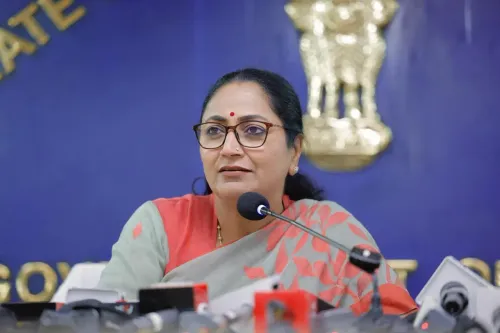
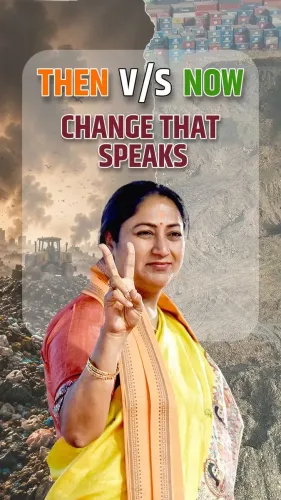
Three mountains of garbage that defined Delhi's skyline for decades are finally shrinking — and Delhi Chief Minister Rekha Gupta is putting the numbers on record. On Thursday, October 22, 2026, she shared a statement attributed to Union Home Minister Amit Shah, declaring that the Rekha Gupta government, with support from Prime Minister Narendra Modi's central administration, has cleared 2.17 crore metric tonnes of legacy waste and freed 100 acres of land from Delhi's notorious landfill sites.
What the Numbers Say About Delhi's Three Landfills
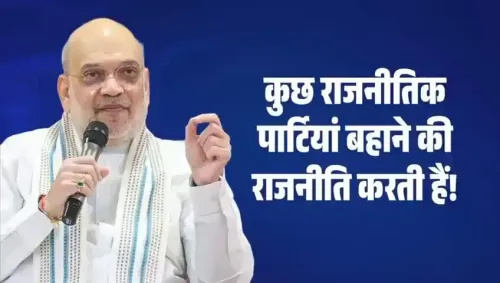
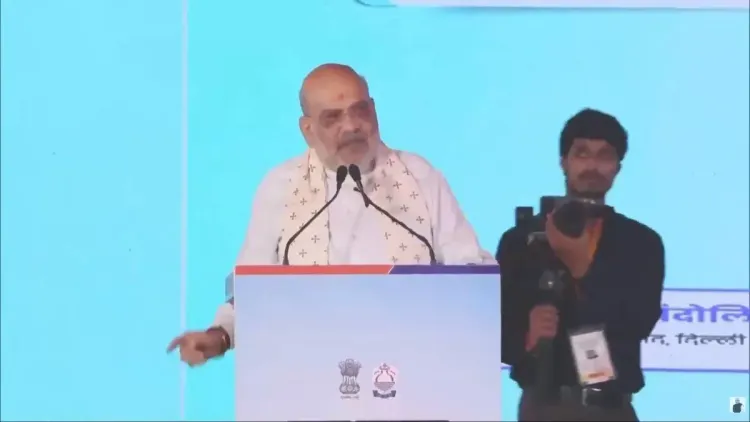
The claim is specific and site-by-site. At Okhla in South Delhi and Bhalswa in the north, the waste mountains have come down by 30 to 40 metres. At Ghazipur in East Delhi — perhaps the most photographed garbage mountain in the country — the height has reduced by 19 metres, freeing another 100 acres of prime urban land. The post quotes Amit Shah directly: 'Kuch kaam nahi hota bahaane banaane se' — making excuses gets nothing done — a line pointedly directed at former Chief Minister Arvind Kejriwal.
The political subtext is impossible to miss. Kejriwal's Aam Aadmi Party governed Delhi for a decade, during which the three landfills remained a flashpoint — the subject of National Green Tribunal orders dating back to 2015 and repeated civic crises. By naming Kejriwal directly in the caption, CM Gupta is framing this not just as an environmental achievement but as a governance contrast.
Ghazipur's Long Shadow — and a Decade of Missed Deadlines
Delhi's three major landfills — Ghazipur, Bhalswa, and Okhla — collectively hold decades of unregulated dumping. The National Green Tribunal had set successive deadlines for remediation since 2015; all three sites repeatedly missed targets. The Swachh Bharat Mission, launched in 2014, brought central funding specifically for legacy waste mining and land reclamation, giving the current BJP state government a financial channel that the previous administration also had access to but, critics argue, failed to deploy at scale.
The current push uses bio-mining technology — a process that sifts old waste into compost, inert material, and refuse-derived fuel — to physically shrink the mountains rather than simply cap them. Land recovered this way is legally clean and developable, making the 100-acre figure significant not just environmentally but in real-estate terms for one of the world's most land-scarce capitals.
The Viksit Delhi Frame and the Road Under the Garbage
The post is tagged #ViksitDelhi — the BJP's aspirational branding for the capital under its state government — placing the landfill data inside a broader political narrative about what 'developed Delhi' looks like in practice. For residents of East Delhi and North Delhi who have lived within sight and smell of these sites for decades, the metric-by-metric accounting is a direct pitch: governance, not slogans, moves mountains.
Whether the figures are independently audited or the land reclamation is complete versus ongoing will be the next question citizens and tribunals will press. But the political signal today is unmistakable — Rekha Gupta is betting the Viksit Delhi pitch on visible, verifiable change at ground level, one metre at a time.
Point of View
Site-level numbers, CM Rekha Gupta elevates a civic achievement into a national political argument. The direct naming of Kejriwal converts an environmental update into a comparative audit of ten years of AAP rule versus the BJP's first major term in the Delhi assembly. The Swachh Bharat Mission frame also binds central and state credit together, making it harder for opponents to separate Modi's support from Gupta's delivery. If the figures withstand independent scrutiny, this becomes a durable template for the BJP's Viksit Delhi pitch ahead of future electoral cycles.
NationPress
22 Oct 2026
Frequently Asked Questions
How much waste has been cleared from Delhi landfills by the Rekha Gupta government?
Delhi CM Rekha Gupta has claimed that 2.17 crore metric tonnes of legacy waste has been cleared from Delhi's major landfill sites with support from the central government.
By how much has the Ghazipur landfill height been reduced?
According to the post, the Ghazipur garbage mountain has been reduced by 19 metres , freeing approximately 100 acres of land in East Delhi.
What is the current status of Okhla and Bhalswa landfills in Delhi?
CM Rekha Gupta claims the waste mountains at Okhla and Bhalswa have each come down by 30 to 40 metres as part of the ongoing remediation drive.
What is Swachh Bharat Mission's role in Delhi's landfill clean-up?
The Swachh Bharat Mission , launched in 2014 , provides central funding for legacy waste mining and land reclamation, and is part of the framework through which the Rekha Gupta government has been conducting the clean-up.
Why is Arvind Kejriwal mentioned in Delhi's landfill clean-up post?
CM Gupta quoted Union Home Minister Amit Shah directly criticising Arvind Kejriwal , contrasting the current administration's progress with what the BJP describes as a decade of inaction on Delhi's landfill crisis under the previous AAP government.