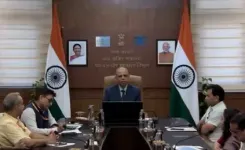
CM Bhupendra Patel Hears Farmer, Land Grievances at SWAGAT
Synopsis
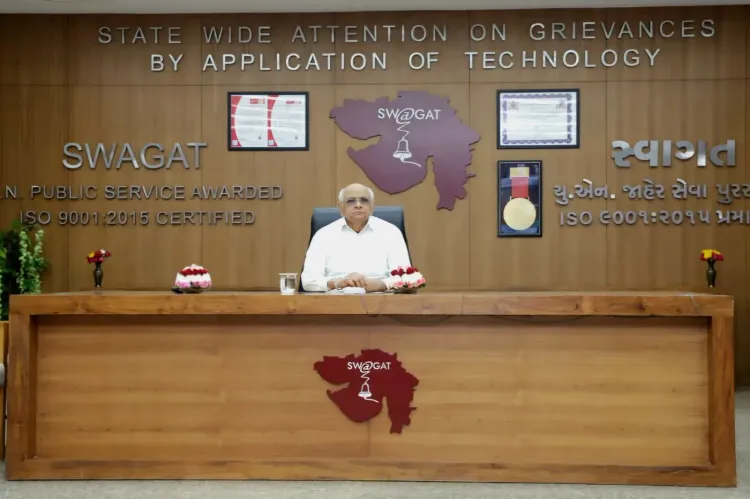
Chief Minister Bhupendra Patel personally heard citizen grievances on farming, land encroachments, rural roads and public amenities at the SWAGAT Online Grievance Redressal Programme in Gandhinagar on October 22, directing departmental and district officers to resolve issues immediately.
Key Takeaways
CM Bhupendra Patel personally chaired the State SWAGAT Online Public Grievance Redressal Programme in Gandhinagar on October 22, 2026 .
Grievances heard covered agriculture and farmer welfare, public amenities, land encroachments, and rural roads .
The CM directed departmental officers in-person and connected with district and taluka officers via video conference for immediate resolution orders.
SWAGAT (State-Wide Attention on Grievances by Application of Technology) was first launched in 2003 and is one of India's longest-running state e-governance grievance platforms.
The session's hybrid format — combining direct hearings with video-conference oversight — is designed to compress the bureaucratic chain between complaint and resolution.
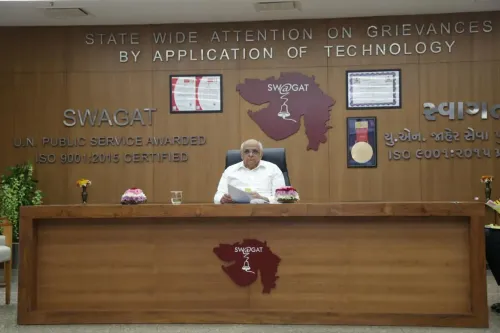
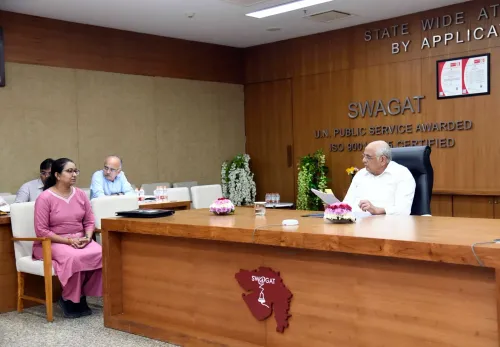
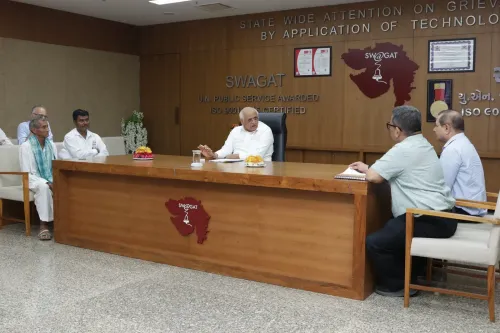
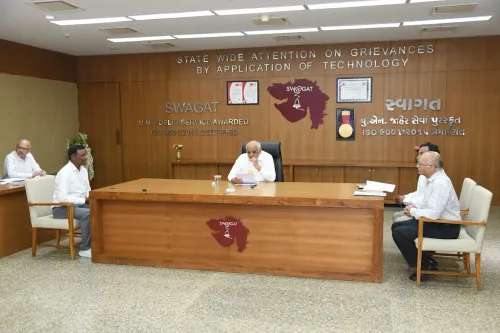
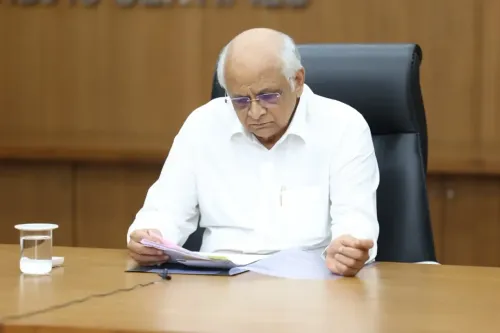
Farmers waiting for their land disputes to be heard, rural residents frustrated by broken roads, citizens seeking basic amenities — Chief Minister Bhupendra Patel sat down with all of them on Thursday, October 22, 2026, at the State SWAGAT Online Public Grievance Redressal Programme held in Gandhinagar, personally listening to a wide range of complaints and directing officials to resolve them without delay.
What citizens brought to the CM's table
The grievances tabled at the session spanned agriculture and farmer welfare, public amenities, illegal land encroachments, and rural road conditions — a cross-section of the everyday friction points that define life in Gujarat's villages and towns. The Chief Minister's Office described the event as a direct listening exercise: citizens presenting their problems, face-to-face with the state's top executive.
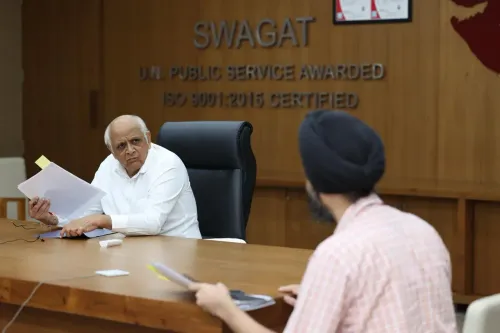
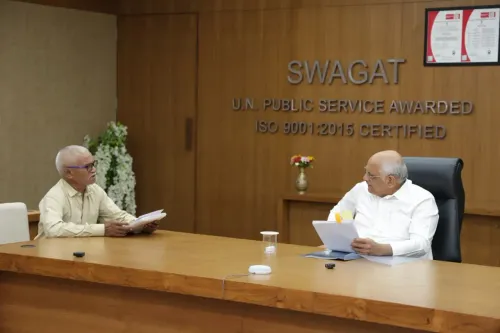
The Chief Minister held on-the-spot consultations with concerned departmental officials and simultaneously connected via video conference with administrative officers at the district and taluka levels. He issued instructions for the immediate resolution of grievances raised — not referrals to a committee, not promises of a review, but directed action.
SWAGAT: Gujarat's 23-year-old citizen-feedback engine
The programme is not new. SWAGAT — State-Wide Attention on Grievances by Application of Technology — was first launched in 2003, making it one of India's earliest state-level e-governance grievance platforms. Over more than two decades, it has evolved into a hybrid model: online complaint registration combined with periodic in-person hearings where the Chief Minister directly oversees resolution. The model has been replicated and studied across Indian states as a template for technology-driven public accountability.
What gives the SWAGAT session its administrative teeth is precisely the format: district and taluka officers cannot defer action when they are live on a video call with the Chief Minister. The structure collapses the usual bureaucratic distance between a citizen's complaint and an officer empowered to act on it.
Why land and farm grievances keep topping the list
Agriculture and land-related disputes have historically dominated Gujarat's public grievance forums. Land encroachment cases — where private or government land is occupied without authorisation — are a persistent source of rural conflict, often entangled with revenue records, court orders, and slow administrative follow-through. Rural road connectivity, meanwhile, remains a direct determinant of whether farmers can move produce to market and whether villages access health and education services.
By hearing these issues personally and directing both state-level department heads and grassroots taluka officers in a single session, the CM signals that the state is watching the full chain of implementation — not just the intake of complaints.
The real test, as always, lands squarely on the district machinery: whether the directions issued today translate into measurable relief on the ground in the days ahead.
Point of View
Accountable governance, one that successive CMs have used to project executive responsiveness. By chairing the session personally and looping in district officers via video conference, CM Bhupendra Patel reinforces the BJP administration's 'minimum government, maximum governance' messaging at a time when rural distress and land disputes remain politically sensitive in Gujarat. The format is architecturally clever: it compresses the bureaucratic chain and creates visible accountability, though critics have long noted the gap between directions issued in such sessions and actual on-ground follow-through. The real governance signal will come from how swiftly the taluka and district machinery closes the cases flagged today.
NationPress
22 Oct 2026
Frequently Asked Questions
What is the SWAGAT programme in Gujarat?
SWAGAT stands for State-Wide Attention on Grievances by Application of Technology. Launched in 2003 , it is Gujarat's flagship e-governance platform that allows citizens to register complaints online and have them addressed through periodic hearings chaired by the Chief Minister himself.
What grievances were heard at the October 2026 SWAGAT session?
CM Bhupendra Patel heard complaints related to agriculture and farmer welfare, public amenities, illegal land encroachments, and rural road conditions at the session held in Gandhinagar on October 22, 2026 .
How does the SWAGAT session work?
Citizens present their grievances directly to the Chief Minister. The CM then consults with state departmental officials in person and connects with district and taluka-level officers via video conference to issue immediate directions for resolution.
Who is the Chief Minister of Gujarat?
Bhupendra Patel has been the Chief Minister of Gujarat since September 2021 . He represents the BJP and oversees state administration from the capital, Gandhinagar.
Why do land and farming complaints dominate Gujarat's public grievance forums?
Land encroachment disputes in Gujarat are often entangled with revenue records and slow administrative processes, while agriculture-related issues affect a large section of the rural population. These categories have historically been the most frequently raised concerns at SWAGAT sessions.