Delhi CM Rekha Gupta to join Mann Ki Baat at Kheda Kalan
Synopsis
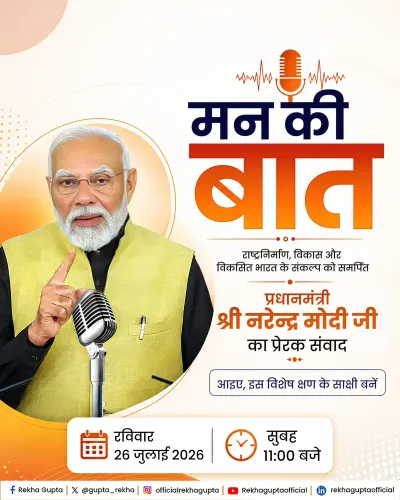
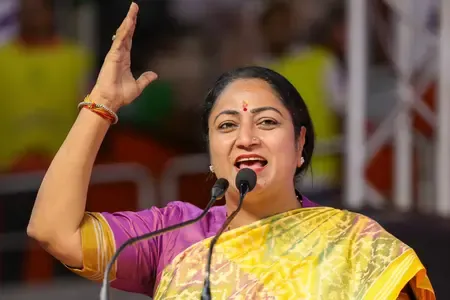
Delhi Chief Minister Rekha Gupta will join residents at the Kheda Kalan Municipal Councillor's office on Sunday at 11 a.m. to listen to PM Modi's Mann Ki Baat, describing the programme as a platform that honours ordinary citizens and fuels the Viksit Bharat vision.
Key Takeaways
Delhi CM Rekha Gupta will attend a public listening session for Mann Ki Baat on Sunday morning at 11 a.m.
The event is being held at the Municipal Councillor's office in Kheda Kalan , north-west Delhi.
Gupta described Mann Ki Baat as a platform honouring extraordinary efforts of ordinary citizens and connecting them to nation-building.
Mann Ki Baat was launched by PM Narendra Modi in October 2014 and has run monthly for over a decade.
BJP-led governments regularly organise collective listening events, linking local administration to central messaging.
The Kheda Kalan event reinforces the Viksit Bharat narrative at the municipal governance level.
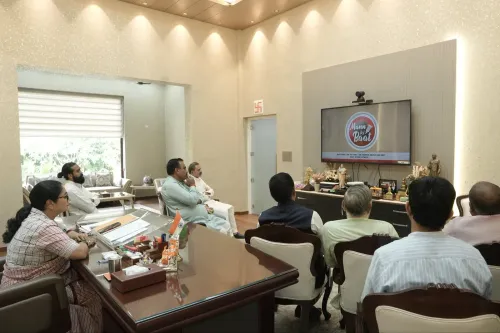
A Sunday morning in Kheda Kalan is about to turn into a civic moment. Delhi Chief Minister Rekha Gupta announced on Saturday, 25 October 2026, that she will join local residents at the Municipal Councillor's office in Kheda Kalan at 11 a.m. to collectively listen to Prime Minister Narendra Modi's monthly radio address, Mann Ki Baat.
Posting in Hindi, Gupta described the programme as 'sashakt madhyam' — a powerful medium — that 'honours the extraordinary efforts of ordinary citizens and connects every Indian to nation-building.' She added that the Prime Minister's address inspires listeners to advance the causes of public service, national interest, and the vision of a Viksit Bharat (Developed India).
Mann Ki Baat: twelve years of direct outreach
Mann Ki Baat was launched by Prime Minister Modi in October 2014 as a monthly radio programme broadcast across All India Radio and its digital extensions. Over more than a decade, it has become a consistent platform for spotlighting citizen-led initiatives — from grassroots innovators and sportspersons to environmental volunteers — framing individual action as part of a larger national project.
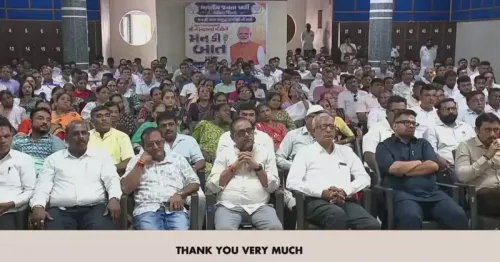
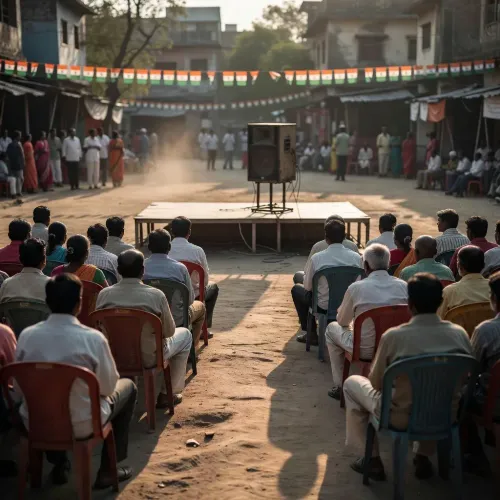
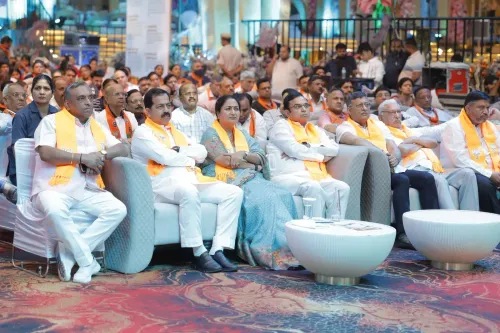
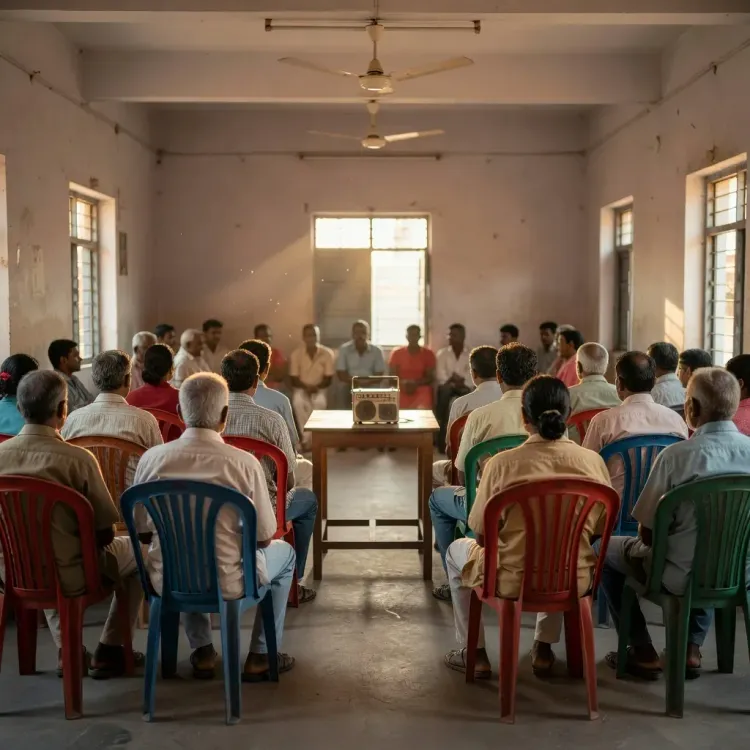
BJP-led state governments and local bodies have routinely organised collective listening events around the broadcast, turning what is essentially a radio address into a community gathering. The Kheda Kalan event follows that pattern: a senior elected official sitting alongside constituents, signalling alignment between central and local governance messaging.
Why Kheda Kalan, and what it signals for Delhi
Kheda Kalan is a locality in north-west Delhi, and holding the event at a Municipal Councillor's office — a hyper-local unit of urban governance — is a deliberate choice of venue. It brings the capital's chief minister to a neighbourhood-level setting, reinforcing the Viksit Bharat messaging at the most granular tier of civic administration.
For Gupta, who has been working to consolidate the BJP's administrative identity in Delhi after the party's return to power in the capital, such public engagements serve a dual purpose: demonstrating accessibility and visibly embedding her office within the Prime Minister's broader communication ecosystem.
The specific content of Sunday's Mann Ki Baat episode — and whether it will carry policy signals relevant to Delhi — will only become clear once the broadcast airs. But the Chief Minister has already ensured that her presence will amplify whatever message comes through.
Point of View
Which returned to power after years in opposition, such visible alignment with central outreach serves both a political and an administrative purpose. The 'Viksit Bharat' framing, repeated in Gupta's post, has become a unifying ideological thread running from national policy down to ward-level events. As Delhi heads deeper into its current governance cycle, expect more such hyper-local engagements designed to demonstrate that central and state priorities are in lockstep.
NationPress
24 Oct 2026
Frequently Asked Questions
What is Mann Ki Baat?
Mann Ki Baat is a monthly radio address by Prime Minister Narendra Modi, launched in October 2014, where he highlights citizen initiatives, governance themes, and national development stories.
Where is Rekha Gupta attending the Mann Ki Baat event?
Delhi Chief Minister Rekha Gupta will attend the listening session at the Municipal Councillor's office in Kheda Kalan, north-west Delhi, on Sunday at 11 a.m.
Why do BJP leaders organise collective Mann Ki Baat events?
BJP-led state and local governments regularly hold collective listening sessions to align with central government messaging and demonstrate grassroots engagement with the Prime Minister's outreach programme.
What is Viksit Bharat?
Viksit Bharat, meaning 'Developed India', is a long-standing policy and aspirational narrative championed by the Modi government, calling for citizen participation in India's development by 2047.
How long has Mann Ki Baat been running?
Mann Ki Baat has been running since October 2014, making it over twelve years old by October 2026, with episodes broadcast monthly on radio and digital platforms.