Delhi CM Rekha Gupta Takes Metro, DTC Bus to Secretariat
Synopsis
Delhi Chief Minister Rekha Gupta commuted to the Delhi Secretariat by Metro and DTC bus on May 25, 2026, publicly championing public transport adoption to cut traffic, pollution, and fuel use across the capital.
Key Takeaways
Delhi CM Rekha Gupta took the Delhi Metro and a DTC bus to the Delhi Secretariat on Monday, May 25, 2026 .
The post was shared under #MetroMonday and #MeraBharatMeraYogdan , framing public transport use as a national civic contribution.
The Delhi Metro has been operational since December 2002 and has expanded through multiple phases to serve the NCR.
The DTC fleet shifted to CNG following a Supreme Court mandate in 2001-2002 and has since moved toward electric buses.
The commute follows a pattern of Delhi governments combining infrastructure investment with behavioural nudges to address chronic congestion and air pollution.
Focus now shifts to Delhi Metro Phase 4 rollout and potential Metro-DTC fare integration policies.
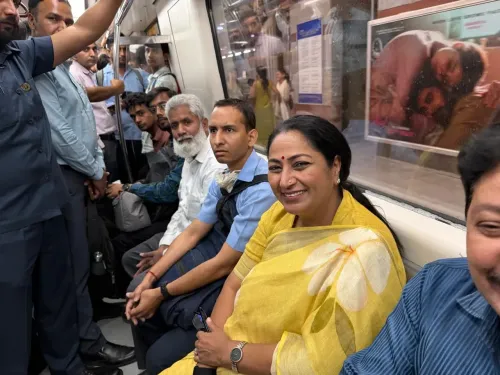
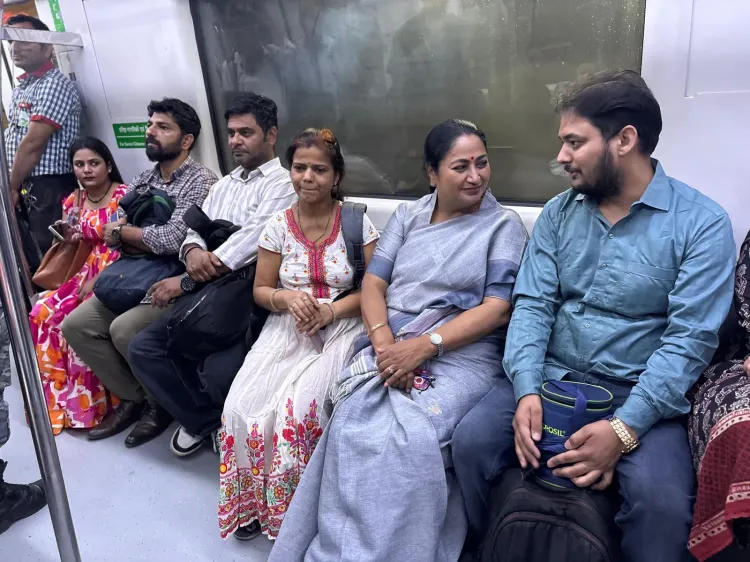
Delhi Chief Minister Rekha Gupta on Monday, May 25, 2026, commuted to the Delhi Secretariat via the Delhi Metro and a DTC bus, using her social media presence to encourage Delhiites to adopt public transport as a daily habit. The post, shared with the hashtags #MetroMonday and #MeraBharatMeraYogdan, drew attention to the visible uptake of shared commuting among ordinary residents of the capital.
Context
In her post, CM Rekha Gupta wrote that she was 'proud to see so many Delhiites making public transport part of their daily routine,' adding that 'every metro ride, bus journey and shared commute helps cut traffic, pollution and fuel use.' The message framed individual commuting choices as having a collective national impact — 'a small step, big national impact' — tying personal behaviour to broader civic and environmental goals.
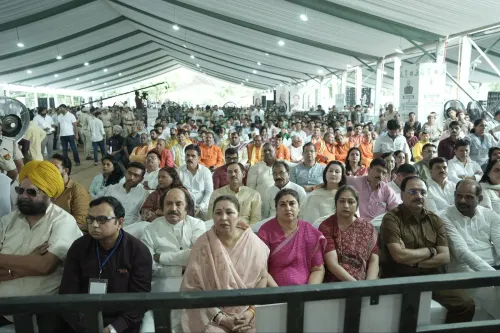
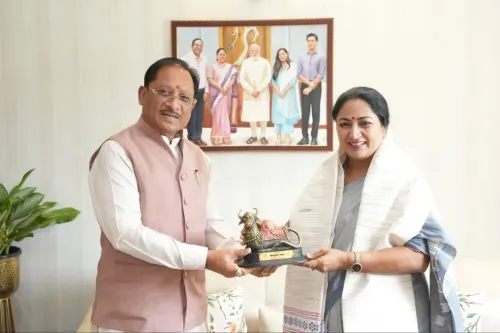
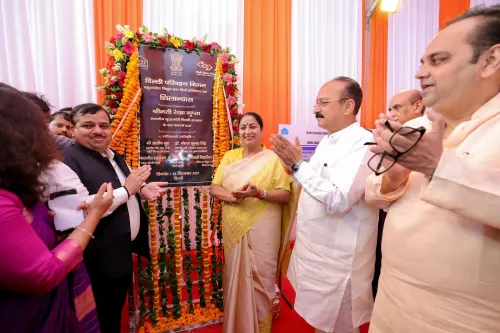
The post was accompanied by three images, visually documenting the Chief Minister's commute aboard the city's public transit network.
Policy Backdrop
The Delhi Metro Rail Corporation was incorporated in 1995, with its first corridor opening in December 2002. Since then, the network has expanded across multiple phases, becoming one of the largest rapid transit systems in Asia and a key tool in managing the capital's chronic road congestion.
The Delhi Transport Corporation (DTC), the state-run bus operator, has undergone successive fleet modernisations — beginning with a Supreme Court-mandated shift to CNG fuel in 2001-2002 — and has more recently transitioned toward electric buses. Together, the Metro and DTC form the backbone of Delhi's public transport ecosystem, serving millions of daily commuters across the National Capital Region.
Delhi has a history of policy interventions aimed at reducing private vehicle use and emissions, including the odd-even vehicle rationing scheme first launched in January 2016. National programmes such as AMRUT and the Smart Cities Mission have similarly prioritised urban public transport investment across Indian cities.
Stakeholders and Impact
For Delhi's millions of daily commuters — spanning students, office workers, and daily-wage earners — the Chief Minister's visible use of Metro and bus services carries symbolic weight. Senior officials and elected representatives publicly opting for shared transport can help normalise behaviour that reduces per-capita fuel consumption and vehicle emissions.
Urban households and environmental advocates have long argued that behavioural change must accompany infrastructure investment for Delhi's air quality and congestion crisis to see lasting improvement. CM Gupta's commute, framed under the #MeraBharatMeraYogdan ('My India, My Contribution') hashtag, positions public transport use as a form of civic patriotism rather than mere policy compliance.
What's Next
Attention will now turn to whether this visible advocacy translates into concrete policy announcements — particularly around the remaining corridors under Delhi Metro Phase 4 and any new fare integration or last-mile connectivity measures between Metro and DTC services. Analysts and commuter groups will watch for follow-through in the form of fleet expansion, improved frequency, and seamless ticketing between the two networks.
If sustained as a regular practice and backed by policy action, the Chief Minister's commuting choices could reinforce Delhi's longer-term push to shift the modal split away from private vehicles and toward shared, low-emission public transport.
Point of View
The BJP-led administration connects local urban mobility to a broader nationalist frame of individual civic duty, a rhetorical move that widens the appeal beyond environment-focused voters. The gesture is low-cost but high-visibility, and its credibility will ultimately be measured against hard deliverables: Phase 4 Metro timelines, DTC fleet expansion, and fare rationalisation. In a city where winter air quality routinely dominates headlines, the political incentive to be seen acting on emissions is strong — but the gap between symbolic commutes and structural change remains the central challenge.
NationPress
20 Sept 2026
Frequently Asked Questions
Why did Delhi CM Rekha Gupta take the Metro to the Secretariat?
CM Rekha Gupta took the Delhi Metro and a DTC bus to the Delhi Secretariat on May 25, 2026, to publicly encourage Delhiites to adopt public transport as part of their daily routine and to highlight its role in reducing traffic, pollution, and fuel use.
What is #MetroMonday in Delhi?
#MetroMonday is a social media initiative used to promote regular use of the Delhi Metro on Mondays, encouraging commuters and public figures to choose public transport over private vehicles to reduce congestion and emissions.
When did the Delhi Metro start operations?
The Delhi Metro began operations in December 2002 after the Delhi Metro Rail Corporation was incorporated in 1995 . It has since expanded through multiple phases and is one of the largest metro networks in Asia.
What is the DTC and how has it changed over the years?
The Delhi Transport Corporation (DTC) is the state-run bus service operating across Delhi. Its fleet shifted to CNG following a Supreme Court order in 2001-2002, and it has more recently transitioned toward electric buses as part of efforts to cut vehicular emissions.
What is Delhi Metro Phase 4?
Delhi Metro Phase 4 refers to the ongoing expansion of the Delhi Metro network, adding new corridors to extend coverage across the National Capital Region. Rollout timelines and integration with DTC services are closely watched by commuters and urban planners.