CM Rekha Gupta Signs MoA to Make Delhi Roads Dust-Free
Synopsis
Delhi Chief Minister Rekha Gupta announced a tripartite MoA between PWD, CSIR-CRRI, and SPA on 8 June 2026 to make the capital's roads dust-free through new technology, better road management, and increased greenery, advancing the Viksit Delhi agenda.
Key Takeaways
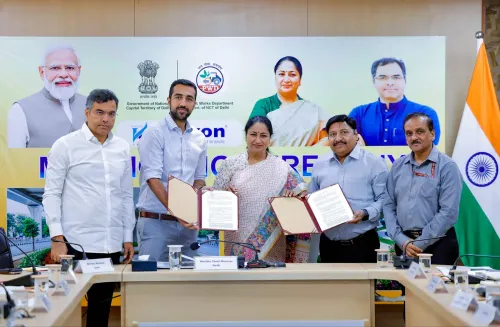
A tripartite MoA was signed between PWD Delhi , CSIR-CRRI , and SPA Delhi to make the capital's roads dust-free.
The initiative is anchored in new technology, improved road management, and enhanced green cover along road corridors.
Cabinet ministers Pravesh Sahib Singh and Manjinder Singh Sirsa attended the MoA meeting alongside senior departmental officials.
The agreement is framed under the Viksit Delhi programme, aligned with the national Viksit Bharat 2047 vision.
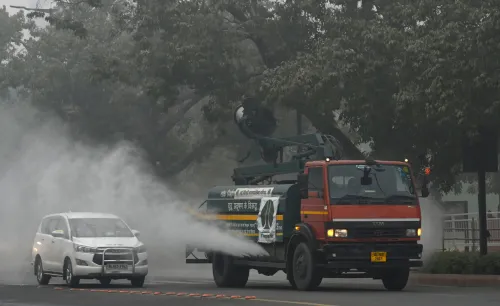
Road dust is a major contributor to Delhi's winter air quality crisis, targeted under the National Clean Air Programme (2019) .
Pilot stretches and first progress reports on dust and air-quality metrics are expected within six months of implementation.
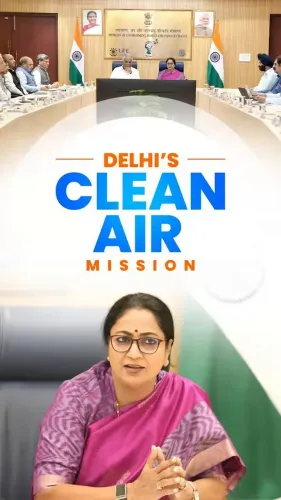
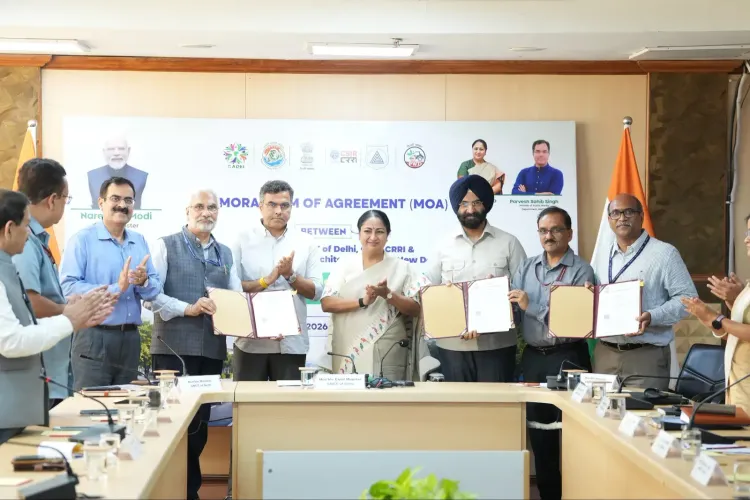
Delhi Chief Minister Rekha Gupta on Monday, 8 June 2026 announced a significant Memorandum of Agreement (MoA) between the Public Works Department (PWD), the CSIR-Central Road Research Institute (CSIR-CRRI), and the School of Planning and Architecture (SPA), Delhi, aimed at making the capital's roads dust-free and better managed through new technology and increased green cover.
Context
Posting on X, Chief Minister Gupta stated that the tripartite agreement was directed at making Delhi's roads dust-free and improved. 'नई तकनीक, बेहतर सड़क प्रबंधन और अधिक हरियाली' ('new technology, better road management and more greenery') would form the foundation of this initiative, she wrote, describing it as giving 'fresh momentum' to the resolve for pollution control, clean roads, and a green, developed Delhi.
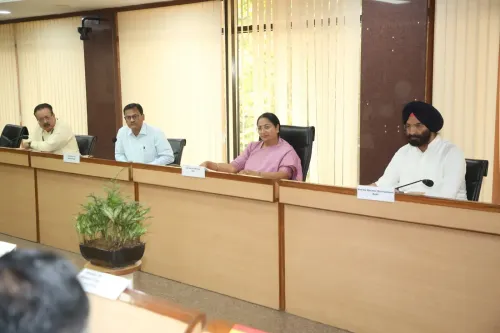
Cabinet ministers Pravesh Sahib Singh and Manjinder Singh Sirsa, along with senior officials from the concerned departments, were present at the meeting where the MoA was formalised.
Policy Backdrop
Road dust is among the leading contributors to Delhi's chronic winter air quality crises, a concern flagged repeatedly under the National Clean Air Programme (2019), which mandated city-specific action plans explicitly targeting dust from road surfaces. The Delhi Master Plan 2041, notified in 2021, also prioritised the integration of green infrastructure and technology in road networks across the capital.
CSIR-CRRI, India's premier road-research laboratory, has collaborated with PWD Delhi on multiple agreements since 2015 covering polymer-modified and permeable pavements designed to reduce dust generation and long-term maintenance costs. The involvement of SPA Delhi adds an urban-planning and landscape dimension, reflecting a more holistic approach to road design than earlier agreements.
The initiative is framed under the Viksit Delhi programme, the BJP-led Delhi government's local expression of the national Viksit Bharat 2047 vision for developed urban infrastructure.
Stakeholders and Impact
The agreement directly concerns Delhi's millions of daily commuters and urban residents who bear the health burden of road-dust-driven particulate pollution. Dust from unpaved shoulders, construction-adjacent stretches, and poorly maintained surfaces contributes significantly to PM10 and PM2.5 levels that routinely breach safe limits in the capital.
By bringing a scientific research body (CSIR-CRRI) and an urban-design institution (SPA) alongside the executing agency (PWD), the government signals an evidence-based approach. Residents near major PWD-managed arterials stand to benefit most from improved surfacing and greener road margins, while the broader city could see measurable air-quality gains if the initiative is implemented at scale.
What's Next
Attention will now turn to the selection of pilot road stretches for new surfacing technologies and plantation drives, with initial progress reports on dust load and air-quality sensor readings expected within six months of implementation. The specific financial outlay, the technologies to be deployed, and firm timelines have not yet been publicly disclosed.
The MoA's real test will lie in execution: whether the three-institution model translates into measurable reductions in road dust before Delhi's next winter pollution season, and whether the Viksit Delhi framework can sustain the momentum beyond the signing ceremony.
Point of View
A pattern seen across BJP-governed states seeking to localise the Centre's development brand. The real political dividend, however, depends on visible outcomes before the next winter smog cycle, when public scrutiny of Delhi's air quality peaks. If pilot stretches deliver measurable dust reduction, the government gains a concrete, data-backed record on urban environment management.
NationPress
23 Oct 2026
Frequently Asked Questions
What is the MoA signed by Delhi CM Rekha Gupta for dust-free roads?
It is a Memorandum of Agreement between Delhi's Public Works Department (PWD), the CSIR-Central Road Research Institute (CSIR-CRRI), and the School of Planning and Architecture (SPA), Delhi, aimed at making the capital's roads dust-free through new technology, better road management, and increased greenery.
What is CSIR-CRRI and why is it involved in Delhi roads?
CSIR-CRRI (Central Road Research Institute) is India's premier government laboratory for road materials, pavement design, and dust-control technologies. It has collaborated with Delhi's PWD since 2015 on advanced surfacing solutions to reduce dust and maintenance costs.
How does this initiative help Delhi's air quality?
Road dust is a major source of PM10 and PM2.5 particulate pollution in Delhi, especially during winter. By deploying new surfacing technologies and adding green cover along road corridors, the MoA aims to reduce the dust load that worsens the capital's seasonal air quality crisis.
What is Viksit Delhi and how does it relate to this MoA?
Viksit Delhi is the BJP-led Delhi government's urban development programme aligned with the national Viksit Bharat 2047 vision. The dust-free roads initiative is framed under this programme, linking local infrastructure improvements to the broader national development agenda.
Which ministers attended the Delhi roads MoA meeting?
Cabinet ministers Pravesh Sahib Singh and Manjinder Singh Sirsa, along with senior officials from the concerned departments, were present at the meeting where the MoA was signed.