Red Fort blast case: Delhi court admits NIA chargesheet against 13 accused
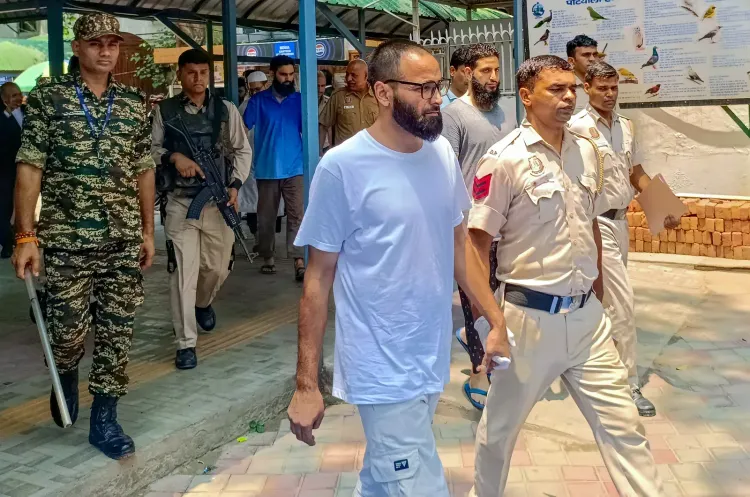
Synopsis
A Delhi court has formally admitted the NIA's chargesheet in the Red Fort car bomb attack that killed 11 people on 10 November 2025 — one of the most audacious terror strikes in the capital in years. With 13 accused named, an Al-Qaeda offshoot alleged as the orchestrator, and a key suspect still absconding, the trial now entering the court system marks a critical juncture in India's most high-profile recent terror prosecution.
Key Takeaways
A Special NIA Court in New Delhi took cognisance of the NIA chargesheet on 29 August ; next hearing is on 9 September .
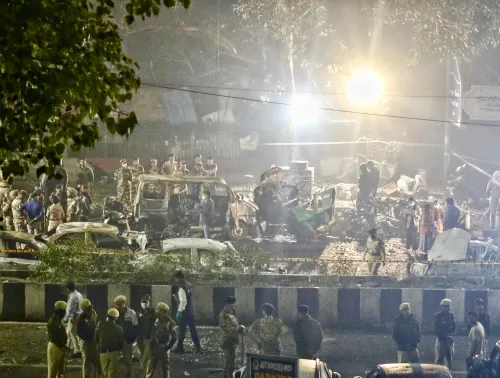
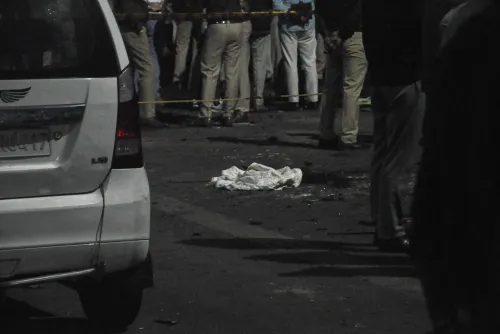
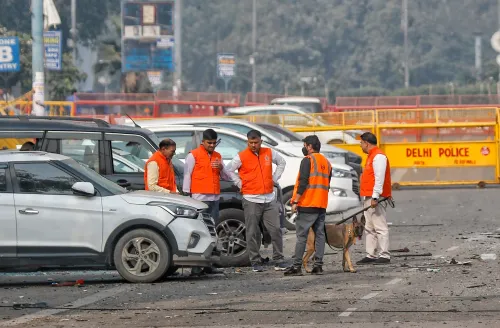
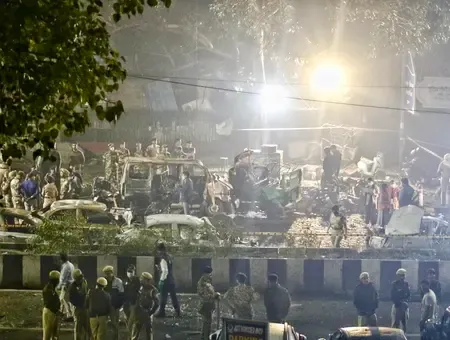
The Red Fort VBIED blast on 10 November 2025 killed 11 people and injured several others.
A total of 13 accused have been chargesheeted; prime accused Dr Umer Un Nabi died in the blast.
All accused are alleged to be linked to Ansar Ghazwat-ul-Hind (AGuH) , an offshoot of Al-Qaida in the Indian Subcontinent (AQIS) .
The initial chargesheet runs to approximately 7,500 pages ; investigation covered 6 states , 588 witnesses , and over 200 seized exhibits .
Accused Muzafar Ahmad remains absconding; a Non-Bailable Warrant has been issued against him.
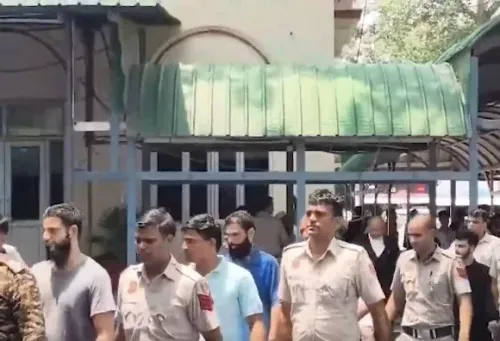
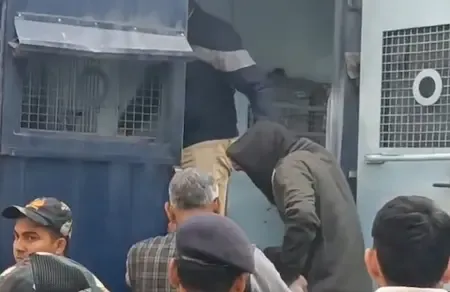
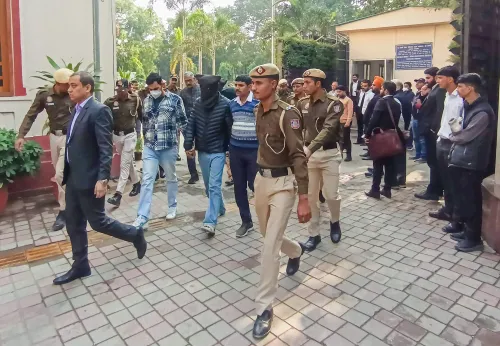
A Special NIA Court in New Delhi on Saturday, 29 August took cognisance of the National Investigation Agency's (NIA) chargesheet in the Red Fort blast case, which killed 11 people and injured several others in a car bomb attack on 10 November 2025. The court has listed the matter for the next hearing on 9 September.
The Chargesheet and Accused
The NIA has chargesheeted a total of 13 accused in connection with the high-intensity Vehicle-Borne Improvised Explosive Device (VBIED) explosion near the Red Fort. The prime accused, Dr Umer Un Nabi — a Pulwama-based former Assistant Professor of Medicine at Al-Falah University in Faridabad, Haryana — was killed in the blast itself. The NIA has proposed abatement of charges against him.
The initial chargesheet, running into approximately 7,500 pages, was filed against 10 accused under the Unlawful Activities (Prevention) Act (UAPA), the Bharatiya Nyaya Sanhita (BNS), the Explosive Substances Act, the Arms Act, and the Prevention of Damage to Public Property Act. Those named include Aamir Rashid Mir, Jasir Bilal Wani, Dr Muzamil Shakeel, Dr Adeel Ahmed Rather, Dr Shaheen Saeed, Mufti Irfan Ahmad Wagay, Soyab, Dr Bilal Naseer Malla, and Yasir Ahmad Dar.
Supplementary Chargesheet Adds Three More
On 27 June, the NIA filed a supplementary chargesheet against three additional accused — Zameer Ahmad Ahanger, Tufail Ahmad Bhat, and Muzafar Ahmad (also known as Faraz and Zafar) — all residents of Jammu and Kashmir, bringing the total to 13.
According to the agency, absconding accused Muzafar Ahmad, a paediatrician and the elder brother of co-accused Adeel Ahmed Rather, was a founding member of AGuH Interim — an offshoot of Al-Qaeda — and one of the prime architects of the conspiracy. A Non-Bailable Warrant (NBW) has been issued against him and efforts are underway to trace and arrest him.
The Terror Module and Its Alleged Links
The NIA has alleged that all accused were associated with Ansar Ghazwat-ul-Hind (AGuH), considered an offshoot of Al-Qaida in the Indian Subcontinent (AQIS). According to the agency, the AGuH Interim module was established at a secret Eidgah meeting in Srinagar in June 2022, which Muzafar Ahmad allegedly attended.
The agency further claimed that Muzafar was involved in the manufacture, testing, and safekeeping of TATP-based IEDs at a clandestine facility operated by Umer and Muzammil at Al-Falah University in Faridabad. Zameer Ahmad Ahanger allegedly acted as an overground worker (OGW), courier, and handler contact for the module, while Tufail Ahmad Bhat, a former OGW of the proscribed Lashkar-e-Taiba (LeT), allegedly procured weapons — including one AK-47, one Krinkov rifle, one pistol, magazines, and live ammunition — for ₹3 lakh, which were delivered to Umer Un Nabi.
Scale of Investigation
The NIA's probe spanned Jammu and Kashmir, Haryana, Uttar Pradesh, Maharashtra, Gujarat, and the Delhi-NCR region. Investigators examined 588 witnesses, reviewed more than 395 documentary records, and analysed over 200 seized exhibits. The agency said it established linkages between the accused through forensic examination, geo-location mapping of conspiracy sites, and detailed financial-trail analysis.
What Happens Next
With the court now admitting the chargesheet, the trial process will formally begin when the matter comes up on 9 September. The case remains significant not only for its scale — a coordinated terror attack in the heart of the national capital — but also as a test of India's anti-terror legal framework under the UAPA. The hunt for absconding accused Muzafar Ahmad continues to be a key operational priority for the NIA.
Point of View
But the case it opens is anything but. A car bomb detonated within sight of the Red Fort — India's most symbolically charged landmark — signals a level of operational audacity from a domestic Al-Qaeda affiliate that security agencies had publicly claimed was degraded. The presence of multiple medical professionals among the accused raises uncomfortable questions about radicalisation pathways that go well beyond conventional profiling. With one key accused still at large and the trial yet to begin, the full contours of the conspiracy remain publicly unresolved.
NationPress
14 Oct 2026
Frequently Asked Questions
What is the Red Fort blast case?
The Red Fort blast case refers to a high-intensity car bomb explosion near the Red Fort in New Delhi on 10 November 2025, which killed 11 people and injured several others. The NIA has linked the attack to Ansar Ghazwat-ul-Hind (AGuH), an alleged offshoot of Al-Qaida in the Indian Subcontinent.
How many accused have been chargesheeted by the NIA?
The NIA has chargesheeted a total of 13 accused — 10 in the initial chargesheet and 3 more in a supplementary chargesheet filed on 27 June. Prime accused Dr Umer Un Nabi died in the blast; charges against him have been proposed for abatement.
What terror group is allegedly behind the Red Fort blast?
The NIA has alleged that the accused were associated with Ansar Ghazwat-ul-Hind (AGuH), considered an offshoot of Al-Qaida in the Indian Subcontinent (AQIS). According to the agency, an AGuH Interim module was established at a secret meeting in Srinagar in June 2022.
Who is Muzafar Ahmad and why is he significant?
Muzafar Ahmad, a paediatrician and elder brother of co-accused Adeel Ahmed Rather, is alleged to be a founding member of AGuH Interim and one of the prime architects of the Red Fort blast conspiracy. He is currently absconding; a Non-Bailable Warrant has been issued and the NIA is actively pursuing his arrest.
What happens next in the case?
The Special NIA Court has listed the matter for further hearing on 9 September, when the trial process will formally advance. The hunt for absconding accused Muzafar Ahmad remains an active priority for the NIA.