Delhi HC grants bail to Sukesh Chandrashekhar aide in ₹200 crore extortion case
Synopsis
After nearly five years as an undertrial, Sukesh Chandrashekhar's alleged aide — advocate B. Mohanraj — has won bail from the Delhi High Court. The ruling turns on a constitutional tension that India's courts are increasingly confronting: can MCOCA's tough bail bar hold when a 24-accused, 403-witness trial shows no sign of ending soon?
Key Takeaways
The Delhi High Court granted regular bail to advocate B.
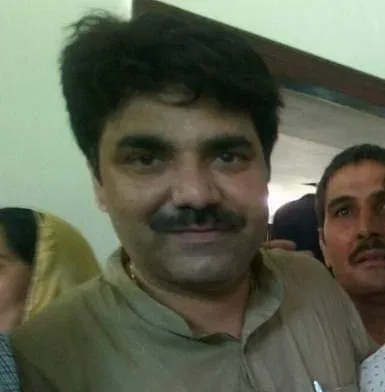
Mohanraj , an accused in the ₹200 crore extortion case linked to alleged conman Sukesh Chandrashekhar .
Mohanraj had spent nearly 4 years and 10 months in custody as an undertrial, with the trial involving 24 accused , 403 witnesses , and over 10,000 pages of chargesheet.
Bail was granted on a personal bond of ₹2.5 lakh with conditions including passport surrender and a bar on witness contact.
The case was registered by Delhi Police Special Cell in August 2021 ; prosecutors allege extortion of approximately ₹217 crore from a businessman's wife.
Co-accused Leena Maria Paul was denied bail in the MCOCA case; the Supreme Court has issued notice to Delhi Police on her challenge.
Jacqueline Fernandez has pleaded not guilty in the parallel ED money laundering case and is facing trial.
The Delhi High Court has granted regular bail to advocate B. Mohanraj, an accused in the ₹200 crore extortion case allegedly orchestrated by alleged conman Sukesh Chandrashekhar, ruling that his continued detention as an undertrial was unwarranted despite the stringent bail conditions prescribed under the Maharashtra Control of Organised Crime Act (MCOCA).
Key Developments
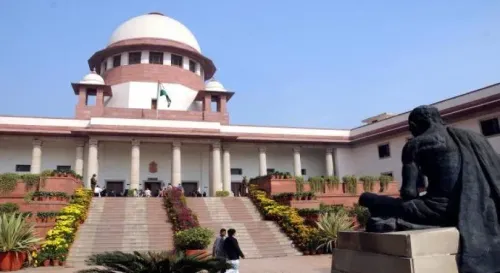
A single-judge bench of Justice Prateek Jalan allowed Mohanraj's bail plea, noting that he had spent nearly four years and ten months in custody as an undertrial. The court observed that the trial — involving 24 accused, 403 prosecution witnesses, and chargesheet documents running to more than 10,000 pages — was unlikely to conclude within a reasonable timeframe.
'The petitioner has already spent approximately 4 years and 10 months in custody as an undertrial... the factors indicated above, including the number of accused (24), number of witnesses (403), and the complexity of the case, make expeditious conclusion of the proceedings unlikely,' the court stated.
Bail Conditions Imposed
The court directed Mohanraj's release on furnishing a personal bond of ₹2.5 lakh with two sureties of the same amount. He must surrender his passport, appear before the trial court on every date of hearing, and is barred from influencing witnesses or tampering with evidence.
What the Prosecution Alleged
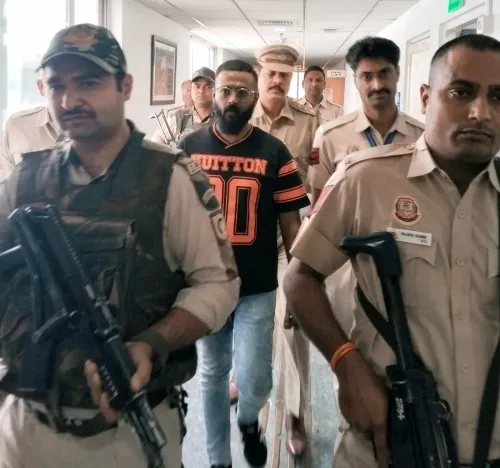
The case stems from an FIR registered by the Delhi Police Special Cell in August 2021, alleging that Chandrashekhar and his associates extorted approximately ₹217 crore from the wife of a businessman under the pretext of securing legal relief for her husband. Prosecutors allege that Chandrashekhar ran the extortion syndicate from inside jail, aided by associates and corrupt prison officials.
Mohanraj, described as a practising advocate and a close associate of Chandrashekhar and his wife Leena Maria Paul, is accused of facilitating the acquisition of luxury cars and immovable property in Chennai by allegedly channelling proceeds of crime through third parties, receiving commissions in return.
Constitutional Right vs. MCOCA Restrictions
Justice Jalan noted that the present application required balancing the constitutional right to personal liberty under Article 21 against statutory bail restrictions under special laws such as MCOCA. Citing recent Supreme Court decisions on prolonged incarceration, the court held that statutory restrictions cannot entirely override constitutional protections when trials are unlikely to conclude within a reasonable period.
The court clarified that its observations were confined to the bail application and would not bear on the trial's merits. Notably, the High Court's 2023 judgment rejecting Mohanraj's earlier bail application had recorded a prima facie finding that he had actively assisted the alleged organised crime syndicate — not merely handled legal affairs.
Status of Co-Accused
The order came weeks after the Delhi High Court refused bail to Leena Maria Paul in the same MCOCA case, finding prima facie evidence of her involvement in the syndicate's activities. The Supreme Court has since issued notice to the Delhi Police on Paul's special leave petition challenging that rejection.
Paul had earlier secured bail in the parallel money laundering case investigated by the Enforcement Directorate (ED). The ED case has reached the charge-framing stage against Chandrashekhar, Paul, and several others, while Bollywood actor Jacqueline Fernandez has pleaded not guilty and chosen to face trial.
Point of View
This case exemplifies how India's criminal justice system can turn the undertrial period into a de facto punishment — precisely what Article 21 is meant to prevent. The contrast with the simultaneous bail refusal for Leena Maria Paul underscores that the court is calibrating relief individually, not wholesale. The deeper question is whether the prosecution can sustain a 10,000-page case to conviction, or whether complexity becomes a shield for all accused over time.
NationPress
7 Oct 2026
Frequently Asked Questions
Why did the Delhi High Court grant bail to B. Mohanraj in the Sukesh Chandrashekhar case?
The Delhi High Court granted bail because Mohanraj had spent nearly four years and ten months in custody as an undertrial, and the trial — involving 24 accused, 403 witnesses, and over 10,000 pages of chargesheet — showed no prospect of concluding within a reasonable time. Justice Prateek Jalan held that continued incarceration under these circumstances violated Mohanraj's constitutional right to personal liberty under Article 21, despite MCOCA's stringent bail conditions.
What is the ₹200 crore extortion case against Sukesh Chandrashekhar?
The case was registered by the Delhi Police Special Cell in August 2021 and alleges that Sukesh Chandrashekhar and associates extorted approximately ₹217 crore from the wife of a businessman, falsely claiming they could secure legal relief for her husband. Prosecutors allege Chandrashekhar ran the syndicate from inside jail with the help of associates and corrupt prison officials.
What role did B. Mohanraj allegedly play in the extortion syndicate?
Prosecutors allege that Mohanraj, a practising advocate and close associate of Chandrashekhar and his wife Leena Maria Paul, facilitated the purchase of luxury cars and immovable property in Chennai by allegedly routing proceeds of crime through third parties and collecting commissions. A 2023 Delhi High Court order had previously found prima facie that he actively assisted the syndicate rather than merely providing legal services.
What is the current status of Leena Maria Paul and Jacqueline Fernandez in the case?
The Delhi High Court recently refused bail to Leena Maria Paul in the MCOCA case, finding prima facie evidence of her involvement in the syndicate; the Supreme Court has since issued notice to Delhi Police on her challenge. Paul separately secured bail in the ED's money laundering case. Jacqueline Fernandez has pleaded not guilty in the ED case and is proceeding to trial.
Does the bail order affect Sukesh Chandrashekhar's trial?
No. The Delhi High Court explicitly clarified that its observations in the bail order are confined to deciding Mohanraj's bail application and will not influence the trial on its merits. Chandrashekhar himself remains in custody, and the main MCOCA trial continues against all 24 accused.