Did the Delhi HC Deny Bail for a Man Accused of Stealing High-Voltage Metro Cables?

Synopsis
In a significant ruling, the Delhi High Court denied bail to a man accused of stealing high-voltage copper cables from the metro network. The court emphasized the serious implications for public safety and financial losses to the government, highlighting the applicant's criminal history and the need for public safety.
Key Takeaways
The Delhi High Court rejected bail for an accused in a metro cable theft case.
Public safety and financial losses were key concerns in the ruling.
The accused had a history of criminal behavior.
The court emphasized the need to balance individual liberty with public interest.
The ruling serves as a reminder of the judiciary's role in safeguarding society.
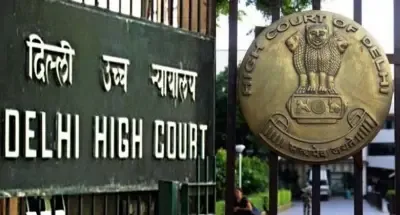
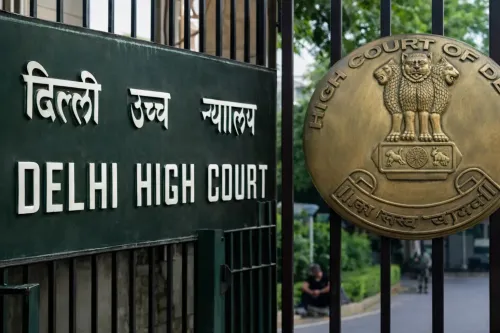
New Delhi, Feb 3 (NationPress) The Delhi High Court has rejected bail applications submitted by an individual accused of pilfering high-voltage copper cables from the Delhi Metro system, noting that the crime poses serious threats to public safety and the financial well-being of the public.
A single-judge bench headed by Justice Saurabh Banerjee dismissed the regular bail requests from the applicant, Shivam, who faces charges under two FIRs registered at the Metro Police Station (Netaji Subhash Palace) in accordance with the provisions of the Bharatiya Nyaya Sanhita (BNS) and the Metro Railways (Operation and Maintenance) Act, 2002.
The FIRs stem from an incident that occurred on the night of June 29-30, 2025, when approximately 32.5 metres of 33KV copper cable were stolen between two metro masts. The theft was reported by the Traction Power Control (TPC) of Line-7 at around 2:51 a.m.
The accused was apprehended shortly thereafter and has remained in judicial custody.
While seeking bail, the applicant's counsel argued that he was employed as a Swiggy delivery executive and served as the sole provider for his family. It was contended that the investigation was largely complete and that ongoing detention would violate the applicant’s right to personal liberty under Article 21 of the Constitution.
In opposition, the prosecution asserted that the accused was found in possession of 32.5 metres of copper wire after being caught in the act, alongside a co-accused, with another accomplice still at large. They further highlighted that the applicant has a history of criminal behavior, being linked to at least six additional FIRs filed at the Shastri Park police station.
In its ruling, the Delhi High Court emphasized that the allegations should not be taken lightly, characterizing the applicant as “not a fly-by-night operator” but rather a habitual offender engaged in similar crimes recently.
Justice Banerjee remarked, “The alleged offense poses various risks to society, particularly as the accused has endangered lives and caused substantial losses to the public treasury.”
The court underscored the necessity of weighing individual freedom against public interest, stating: “In considering bail, the court must recognize the balance between public good and private good.” The accused's past behavior raised concerns that he might misuse his freedom if released.
Justice Banerjee expressed doubts about the applicant's intentions, noting that “there is a serious risk of the applicant taking advantage of bail to tamper with evidence or influence witnesses.”
Ultimately, the court determined that both factual and legal factors were unfavorable to the applicant, concluding that the case was unsuitable for bail and rejecting both applications, while clarifying that its remarks pertained solely to the bail decisions and would not influence the trial's outcome.
Point of View
This ruling underscores the judiciary's role in safeguarding public safety against criminal activities. The Delhi High Court's decision to deny bail reflects a commitment to preventing further offenses and emphasizes the importance of accountability. As we navigate complex societal issues, a balance between individual rights and societal welfare is paramount.
NationPress
14 Oct 2026
Frequently Asked Questions
What were the charges against the accused?
The accused was charged with stealing high-voltage copper cables from the Delhi Metro, with serious implications for public safety.
Why was bail denied?
Bail was denied due to the serious nature of the offenses, the accused's criminal history, and the potential danger posed to public safety.
What is the significance of this ruling?
The ruling highlights the judiciary's role in prioritizing public safety and the financial implications of such crimes.