Delhi HC grants Umar Khalid 3-day interim bail from June 1 to visit ailing mother
Synopsis
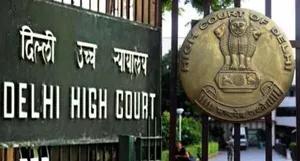
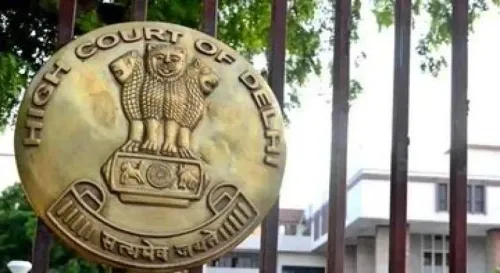
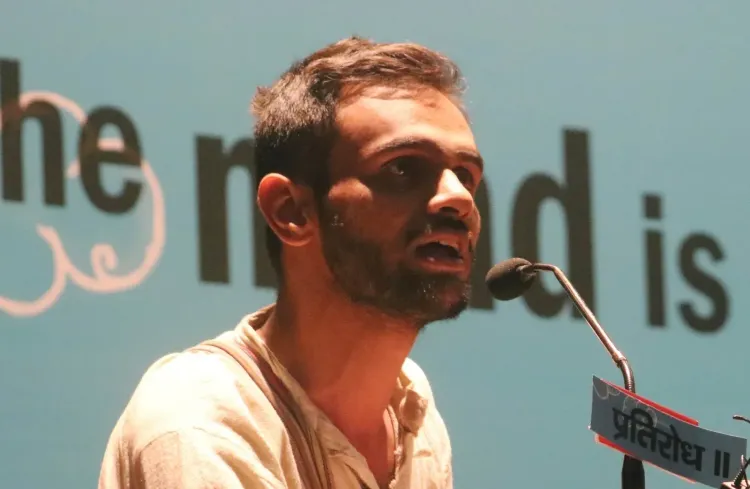
The Delhi High Court overruled a trial court and granted Umar Khalid — held in the 2020 Delhi riots conspiracy case — three days of interim bail to be with his mother before her surgery. The bench took an 'empathetic view' despite strong government opposition, but imposed tight conditions including Delhi-NCR confinement and continuous contact with the investigating officer.
Key Takeaways
The Delhi High Court granted Umar Khalid interim bail from 1 to 3 June to be with his ailing mother ahead of her surgery on 2 June .
A Division Bench of Justice Prathiba M.
Singh and Justice Madhu Jain took an 'empathetic view' of the humanitarian circumstances.
Khalid must stay within Delhi-NCR , visit only the hospital and his residence, use one mobile number, and remain in touch with the Investigating Officer.
Additional Solicitor General S.V.
Raju opposed the plea, arguing the surgery was minor and that family members could provide care.
An earlier plea for 15 days' temporary release had been rejected by Additional Sessions Judge Sameer Bajpai at the Karkardooma Courts.
Khalid is an accused in the 2020 Delhi riots larger conspiracy case and has previously complied with all conditions on prior interim bail grants.
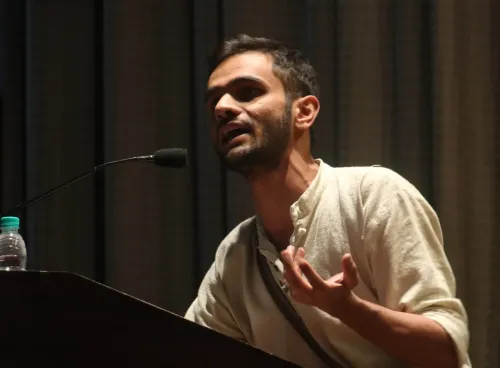
The Delhi High Court on Friday, 22 May granted three days' interim bail to jailed student activist Umar Khalid — accused in the larger conspiracy case tied to the 2020 Delhi riots — to allow him to be with his ailing mother ahead of her scheduled surgery. The relief, operative from 1 to 3 June, comes after a Division Bench took an 'empathetic view' of the humanitarian circumstances.
What the Court Ordered
A Division Bench of Justice Prathiba M. Singh and Justice Madhu Jain allowed the interim bail with strict conditions. Khalid must remain within the Delhi-NCR region throughout the three-day period and stay at the address submitted before the court. He is permitted to visit only the hospital and his place of stay — no other location.
The bench further directed that Khalid use only one mobile number and maintain continuous contact with the Investigating Officer during the bail period. 'Interim bail is granted for 3 days from 1–3 June, in order to enable the appellant to spend time with his mother,' the court stated in its order.
Background: Why Khalid Sought Bail
Khalid had approached the Delhi High Court challenging an earlier order by Additional Sessions Judge Sameer Bajpai of the Karkardooma Courts, which had rejected his application for 15 days' temporary release. That application, filed under Section 483 of the Bharatiya Nagarik Suraksha Sanhita (BNSS) read with Section 439 of the CrPC, cited two humanitarian grounds: attending the Chehlum (40th-day ritual) of his late uncle Khursheed Ahmad Khan, who passed away on 10 April, and caring for his mother before and after her surgery for lump excision, scheduled at a private hospital on 2 June.
According to the plea, Khalid's 71-year-old father is not in a position to provide care, and his five sisters live away from the parental home after marriage. As the eldest and only son, Khalid argued he was best placed to support his mother through the procedure.
Government's Opposition
Additional Solicitor General S.V. Raju, appearing for the Delhi Police, opposed the plea, contending that the surgery was minor and that Khalid's sisters were capable of providing care. The Centre's law officer suggested that Khalid could instead be taken to visit his mother under police custody on the day of the surgery, without being granted bail. The prosecution had also argued before the trial court that the accused was attempting to misuse judicial leniency and that the grounds were not compelling.
Trial Court's Earlier Rejection
The trial court, while rejecting the earlier plea, had noted that Khalid has multiple family members capable of supporting his mother and that the surgery appeared to be a straightforward procedure. It also observed that, although Khalid had previously been granted interim bail on multiple occasions and had complied with all conditions each time, every fresh application must be assessed independently on its own merits.
What Comes Next
Khalid remains an accused in the 2020 Delhi riots larger conspiracy case, in which he has been in custody for an extended period. The High Court's decision to grant limited relief — narrower than the 15-day window sought — reflects a balance between humanitarian considerations and the prosecution's concerns. How the conditions are observed during the 1–3 June window is likely to bear on any future bail applications in the case.
Point of View
Not a verdict on the merits of Khalid's prolonged detention — a distinction that will likely be lost in the political noise. What is notable is that the bench granted relief the trial court explicitly refused, signalling that lower courts may be applying an overly rigid standard in high-profile UAPA-adjacent cases. The government's suggestion that a custody visit would suffice was rejected, which implicitly acknowledges the limits of that arrangement for genuine family care. With Khalid's main bail hearing still pending, this three-day window changes nothing about the larger legal trajectory — but it does keep the spotlight on how humanitarian relief is calibrated for undertrial prisoners in long-running conspiracy cases.
NationPress
21 Sept 2026
Frequently Asked Questions
Why did the Delhi High Court grant Umar Khalid interim bail?
The Delhi High Court granted Umar Khalid three days' interim bail from 1 to 3 June to allow him to be with his mother, who is scheduled to undergo lump excision surgery on 2 June at a private hospital. The Division Bench said it was taking an 'empathetic view' of the humanitarian circumstances.
What conditions has the court imposed on Umar Khalid during interim bail?
Khalid must remain within the Delhi-NCR region, stay at his registered address, visit only the hospital and his place of stay, use a single mobile number, and maintain continuous contact with the Investigating Officer throughout the three-day period.
Why did the trial court earlier reject Umar Khalid's bail plea?
Additional Sessions Judge Sameer Bajpai at the Karkardooma Courts rejected a 15-day temporary release application, holding that Khalid has multiple family members who can support his mother and that the surgery appeared to be a simple procedure. The court also noted each bail application must be assessed on its own merits.
What is the case in which Umar Khalid is currently jailed?
Umar Khalid is an accused in the larger conspiracy case linked to the 2020 Delhi riots, which involved widespread communal violence in the national capital. He has been in custody for an extended period in connection with this case.
What was the government's stand on the bail plea?
Additional Solicitor General S.V. Raju, appearing for the Delhi Police, opposed the plea, arguing the surgery was minor and that Khalid's sisters could care for their mother. The government suggested he be taken to the hospital under police custody on the day of surgery rather than being granted bail.