Delhi HC to hear Gymkhana Club eviction petition on July 6
Synopsis
The Union government's move to reclaim the 27.3-acre Delhi Gymkhana Club — one of India's oldest elite institutions, established in 1913 — for defence and public-security purposes heads to the Delhi High Court on July 6, one day before the Club must formally respond to its eviction notice. The colonial-era club, designed by Lutyens and Russell, sits steps from the Prime Minister's residence.
Key Takeaways
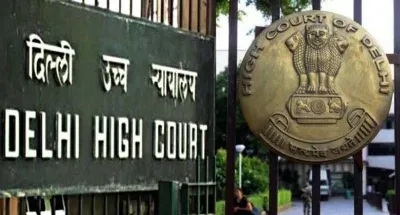
The Delhi High Court is likely to hear a petition against the Delhi Gymkhana Club eviction notice on 6 July 2025 .
The petition was filed by Club member Vijay Khurana and the Staff Welfare Association .
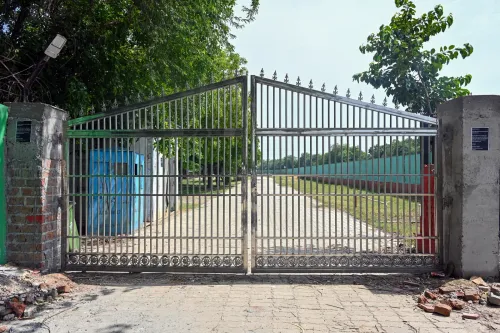
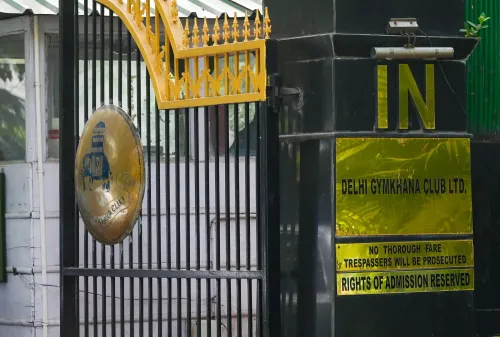
The eviction notice, issued on 22 May by the Union Ministry of Housing and Urban Affairs , seeks to reclaim the Club's 27.3-acre premises at 2, Safdarjung Road .
The government cited the land's need for Defence infrastructure and vital public-security purposes, invoking Clause 4 of the lease deed.
On 26 May , the High Court had declined interim relief after the Centre assured no possession would be taken except in accordance with law.
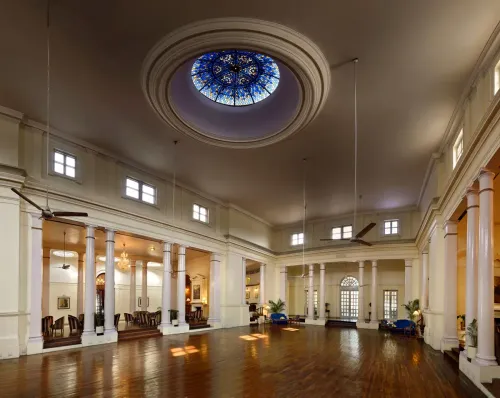
The Delhi Gymkhana Club , established in July 1913 , features Lutyens-designed buildings and has served senior bureaucrats, diplomats, and military officials for over a century.
The Delhi High Court is likely to take up a petition filed by Delhi Gymkhana Club member Vijay Khurana and the Club's Staff Welfare Association on 6 July, challenging an eviction notice issued by the Union government to the colonial-era institution, a lawyer said on Saturday. The hearing is scheduled just one day before the Club's deadline to respond to a show-cause notice from the Union Ministry of Housing and Urban Affairs.
The Eviction Notice
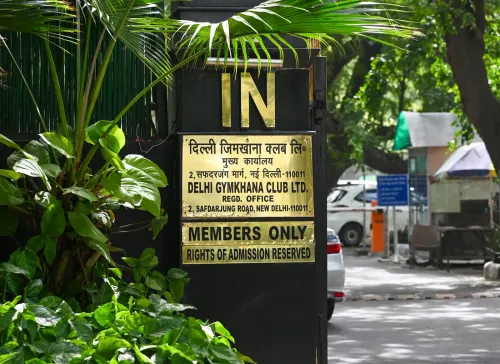
The notice — signed by Deputy Land and Development Officer Suchit Goyal and issued on 22 May — directed the Club's General Committee and Secretary to vacate its 27.3-acre premises at 2, Safdarjung Road, located close to the official Prime Minister's Residence at 7, Lok Kalyan Marg, New Delhi. The government stated that the land is 'critically required for the strengthening and securing of Defence infrastructure and other vital public security purposes,' citing the site's position in a 'highly sensitive and strategic area of Delhi.'
The notice invoked Clause 4 of the original lease deed, under which the lessor retains the authority to re-enter the premises if the land is required for a public purpose. Acting through the Land and Development Office (L&DO), the President of India has formally determined the lease and ordered immediate re-entry. The entire land parcel — including all buildings, structures, lawns, and fittings — is to vest absolutely with the President.
Earlier Court Proceedings
On 26 May, the High Court declined to grant interim relief to the Club in its initial challenge against the Centre's eviction move. The Union government assured the Court that no possession would be taken except in accordance with law, following which the bench withheld immediate relief. The latest petition by Khurana and the Staff Welfare Association represents a fresh legal challenge ahead of the response deadline.
Why the Gymkhana Club Matters
The Delhi Gymkhana Club is among India's oldest and most prestigious elite social institutions. Established in July 1913, its iconic main buildings were designed by Edwin Lutyens and have historically served as a central gathering point for senior bureaucrats, diplomats, and military officials. The Club's current premises were constructed in the early 1930s, with the building contract awarded to architect Robert T. Russell — also responsible for Connaught Place and the Commander-in-Chief's residence, later known as Teen Murti House, which served as the residence of Prime Minister Jawaharlal Nehru.
This comes amid broader government efforts to consolidate land holdings in the Lutyens' Delhi zone, with the Gymkhana Club's central location making it a particularly significant asset. The outcome of the 6 July hearing is expected to set the immediate legal trajectory for the Club's future at its century-old address.
Point of View
But politically loaded — the club's membership rolls read like a who's who of India's permanent establishment. That the High Court declined interim relief on 26 May, accepting the government's word that possession would follow due process, suggests the judiciary is not inclined to move fast. What this case will ultimately test is whether 'public purpose' under a colonial-era lease can override a century of institutional presence — and whether the government's defence-infrastructure rationale holds up to judicial scrutiny or is a convenient framing for a high-value land parcel in the heart of Lutyens' Delhi.
NationPress
3 Oct 2026
Frequently Asked Questions
What is the Delhi Gymkhana Club eviction notice about?
The Union Ministry of Housing and Urban Affairs issued a notice on 22 May directing the Delhi Gymkhana Club to vacate its 27.3-acre premises at 2, Safdarjung Road, New Delhi. The government cited the need to use the land for Defence infrastructure and other vital public-security purposes, invoking a clause in the original lease deed that permits re-entry for public purposes.
When will the Delhi High Court hear the petition against the eviction?
The Delhi High Court is likely to take up the petition on 6 July, according to a lawyer involved in the case. This is one day before the Club's deadline to respond to the government's show-cause notice.
Who has filed the petition in the Delhi High Court?
The petition has been filed by Delhi Gymkhana Club member Vijay Khurana and the Club's Staff Welfare Association, challenging the Union government's eviction notice.
What happened when the Club first approached the Delhi High Court?
On 26 May, the High Court refused to grant interim relief to the Club. The Union government assured the Court that no possession of the premises would be taken except in accordance with law, following which the bench withheld immediate relief.
What is the historical significance of the Delhi Gymkhana Club?
Established in July 1913, the Delhi Gymkhana Club is one of India's oldest elite social institutions. Its main buildings were designed by Edwin Lutyens, and the structure itself was built in the early 1930s by architect Robert T. Russell, who also designed Connaught Place and Teen Murti House. The Club has historically served as a gathering hub for senior bureaucrats, diplomats, and military officials.