Delhi HC seeks Centre's reply on Gymkhana Club eviction plea
Synopsis
The Centre wants back one of India's oldest colonial-era clubs — and the Delhi High Court is now in the middle of it. The Union government's claim that the 27.3-acre Lutyens' Delhi property is 'critically required' for defence infrastructure has triggered a legal battle involving the club's members and staff, with the next hearing set for 28 July.
Key Takeaways
The Delhi High Court issued notice to the Union government on 7 July 2025 over applications challenging the eviction of Delhi Gymkhana Club .
The matter is posted for further hearing on 28 July ; Solicitor General Tushar Mehta sought time to file a reply.
The L&DO show cause notice cites the 27.3-acre property as 'critically required' for Defence infrastructure and public security.
The notice invokes Clause 4 of the perpetual lease deed, allowing re-entry for public purpose.
The court had earlier refused interim relief but was assured no forcible eviction would occur without prior notice and due process.
The club, established in 1913 , has around 5,600 permanent members and its premises were designed by architect Robert T.
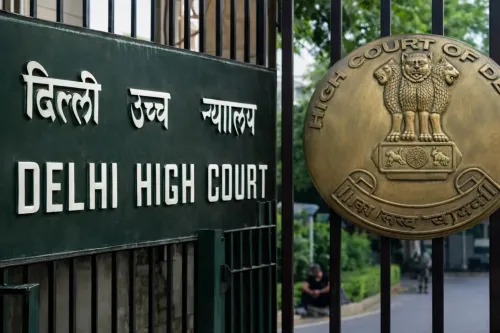
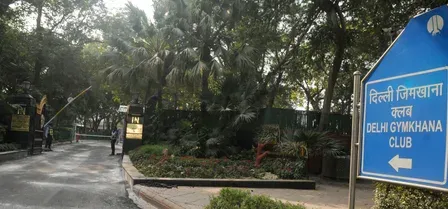
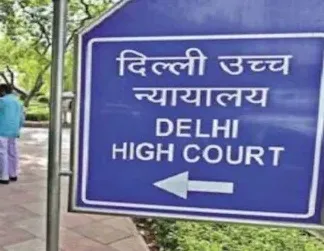
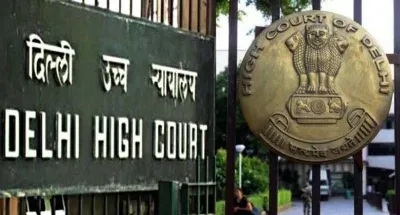
The Delhi High Court on Monday, 7 July 2025, issued notice to the Union government on applications filed by a member of the Delhi Gymkhana Club and the Club's Staff Welfare Association, challenging the Centre's show cause notice seeking eviction from the historic Lutyens' Delhi premises at 2, Safdarjung Road. The court has posted the matter for further hearing on 28 July.
What Happened in Court
A single-judge bench of Justice Avneesh Jhingan sought the Centre's response after Solicitor General Tushar Mehta, appearing virtually for the Union government, requested time to file a reply, noting that the applications had been served only a day earlier. Additional Solicitor General Chetan Sharma also appeared for the Centre.
Senior advocates Abhishek Manu Singhvi and Jayant Mehta represented the applicants — club member Vijay Khurana and the Staff Welfare Association — whose applications are filed in already-pending civil suits challenging the Centre's move to reclaim possession of the colonial-era club premises.
The Eviction Notice and Legal Basis
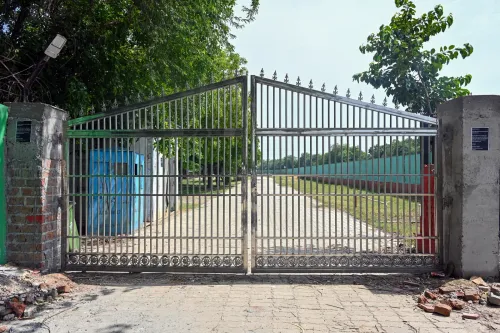
The latest development follows a show cause notice issued by the Estate Officer of the Land and Development Office (L&DO), after the Union government initiated steps to evict occupants from the 27.3-acre property. According to the L&DO's communication, the land is 'critically required for the strengthening and securing of Defence infrastructure and other vital public security purposes.'
The notice invokes Clause 4 of the perpetual lease deed, which reserves the lessor's right to re-enter the premises if required for a public purpose. The government has also cited the Public Premises (Eviction of Unauthorised Occupants) Act as a potential legal instrument.
Earlier Court Rulings
The Delhi High Court had previously declined to grant interim relief against the Centre's move. While issuing summons in the civil suits, Justice Jhingan had refused to stay the Centre's communication after SG Mehta assured the court that no forcible eviction would be carried out and that any action would strictly follow due process and prior notice.
The court had also noted at that stage that there was nothing on record to indicate proceedings under the Public Premises Act had formally commenced, and that the petitioners remained free to seek appropriate legal remedies if and when required.
About Delhi Gymkhana Club
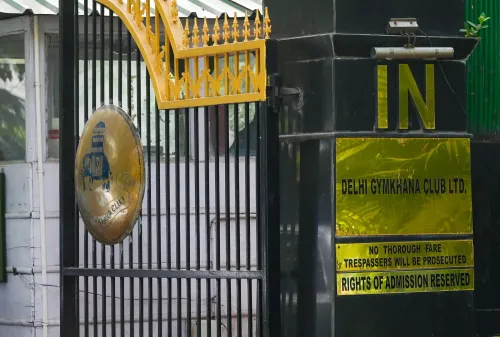
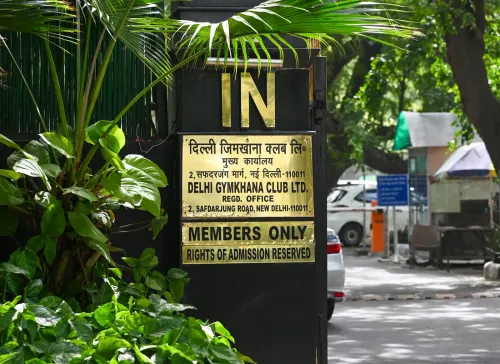
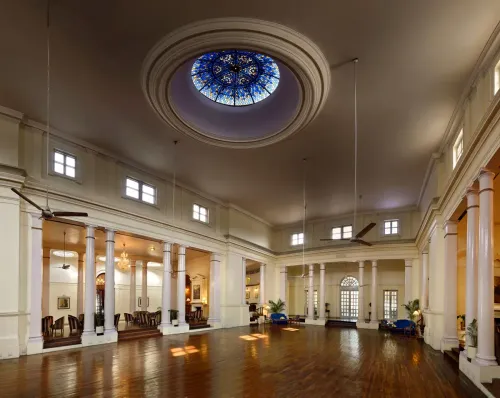
Established in 1913 during the colonial era, the Delhi Gymkhana Club is one of India's oldest and most prestigious social institutions, with approximately 5,600 permanent members and a long waiting list. Its present premises were developed in the early 1930s by architect Robert T. Russell, who also designed Connaught Place and the erstwhile Commander-in-Chief's residence, later known as Teen Murti House.
The outcome of this legal battle is being closely watched, given its implications for other colonial-era institutions occupying government-owned land in Lutyens' Delhi.
Point of View
Yet specific enough to signal political intent. Notably, the court's earlier refusal to stay proceedings — even while civil suits remain pending — puts the onus squarely on the club and its members to move faster legally than the government moves administratively. The staff welfare dimension is the most underreported angle: several hundred employees stand to lose livelihoods tied to a 112-year-old institution, and their fate will likely be determined not in court but in the fine print of any eventual handover agreement.
NationPress
5 Oct 2026
Frequently Asked Questions
Why is the Delhi Gymkhana Club facing eviction?
The Union government, through the Land and Development Office, has issued a show cause notice claiming the 27.3-acre property at 2, Safdarjung Road is 'critically required' for defence infrastructure and public security purposes. The notice invokes Clause 4 of the perpetual lease deed, which allows the lessor to re-enter premises for a public purpose.
What did the Delhi High Court decide on 7 July 2025?
The Delhi High Court issued notice to the Union government and sought its reply on applications challenging the eviction notice. The bench of Justice Avneesh Jhingan posted the matter for further hearing on 28 July 2025, after Solicitor General Tushar Mehta requested time to respond.
Has the court granted any protection against eviction?
No. The Delhi High Court had earlier declined to grant interim relief against the Centre's move to reclaim possession. However, Solicitor General Tushar Mehta assured the court that no forcible eviction would be carried out and that any action would follow due process and prior notice.
Who are the applicants challenging the eviction?
The applications have been filed by Delhi Gymkhana Club member Vijay Khurana and the Club's Staff Welfare Association. They are represented by senior advocates Abhishek Manu Singhvi and Jayant Mehta.
What is the historical significance of the Delhi Gymkhana Club?
Established in 1913 during the colonial era, the Delhi Gymkhana Club is one of India's oldest and most prestigious social institutions with around 5,600 permanent members. Its premises were developed in the early 1930s by architect Robert T. Russell, who also designed Connaught Place and Teen Murti House.