Centre posts notice at Jaipur Polo Ground, claims 15-acre Delhi land
Synopsis
The Centre is methodically reclaiming prime leased land in Lutyens' Delhi — first the Delhi Gymkhana Club's 27-acre estate, now the Jaipur Polo Ground's 15 acres. With courts at every level declining to intervene, the government's repossession drive is advancing fast, raising questions about the future of institutional tenants in central Delhi's most sensitive security corridor.
Key Takeaways
MoHUA posted a public notice at Jaipur Polo Ground on 13 June , declaring the over 15-acre parcel as government land.
Patiala House Court on 12 June refused to stay the eviction order issued to the Indian Polo Association (IPA) on 20 May .
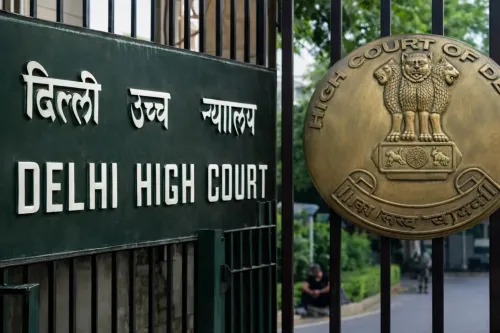
The Delhi High Court had earlier disposed of the IPA's writ petition on 8 June without granting ad-interim protection.
The Centre says the ground is needed for governmental and defence-related functions.
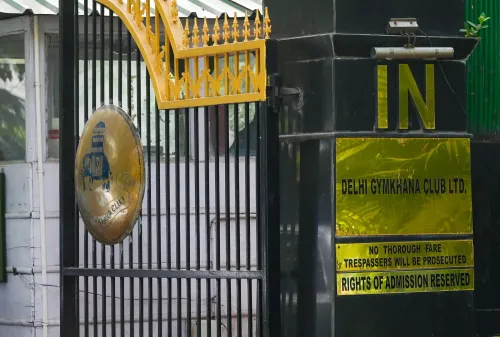
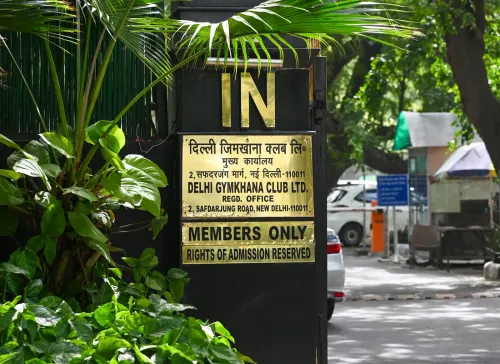
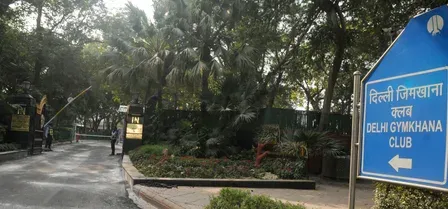
In a parallel case, MoHUA also issued a notice to the Delhi Gymkhana Club over its 27.3-acre property at 2, Safdarjung Road ; the Delhi High Court declined interim relief there too.
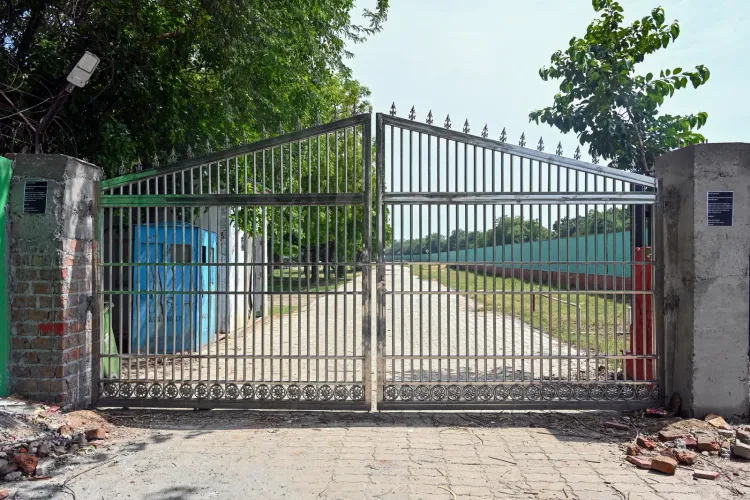
The Ministry of Housing and Urban Affairs (MoHUA) on Saturday, 13 June posted a public notice at the Jaipur Polo Ground, near the Delhi Race Club, formally declaring the over 15-acre land parcel as government property and warning against unauthorised occupation. The move came just one day after a court declined to stay an eviction order issued to the ground's current manager, the Indian Polo Association (IPA).
The Court's Ruling
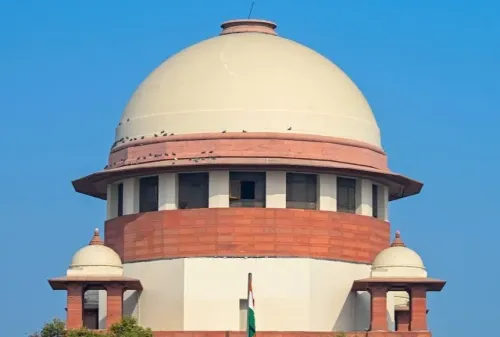
On Friday, 12 June, Patiala House Court's Vacation Judge Dhirendra Rana refused to stay the execution of the eviction order that the government had served on the Jaipur Polo Ground on 20 May. The court noted that similar relief had already been denied by both the Principal District and Sessions Judge, Patiala House Court, and the Delhi High Court, and cited judicial discipline as a reason for declining to grant a fresh stay.
'As far as staying of execution of impugned order till next date of hearing is concerned, I am not inclined to accept this request. Similar kind of request was moved before Principal District and Sessions Judge, PHC and Delhi High Court and no relief was granted to the appellant. Therefore, keeping in view the judicial discipline and proprietary, I am not inclined to stay the execution of impugned order even till next date,' the court said.
The court also noted that the Delhi High Court had disposed of the IPA's writ petition on 8 June without granting any ad-interim protection against eviction.
Why the Centre Wants the Land
The Central government has stated that it intends to use the Jaipur Polo Ground to organise important governmental and defence-related functions. The ground sits in a strategically significant zone in the heart of the Capital, making it a priority acquisition for the Union government.
The Delhi Gymkhana Parallel
The Jaipur Polo Ground notice is not an isolated action. Last month, MoHUA — acting through the Land and Development Office (L&DO) — issued a similar notice to the Delhi Gymkhana Club, targeting its 27.3-acre property at 2, Safdarjung Road, located close to the official residence of Prime Minister Narendra Modi. That notice invoked Clause 4 of the perpetual lease deed, under which the lessor reserves the right to re-enter the premises if required for a public purpose, citing the need to strengthen defence infrastructure and vital public security arrangements.
The Delhi High Court subsequently refused to grant interim relief to the Club. A single-judge bench of Justice Avneesh Jhingan declined to stay the Centre's communication while issuing summons in suits filed by club members and employees. Solicitor General Tushar Mehta assured the court that no forcible eviction would take place and that any action would follow due process and prior notice.
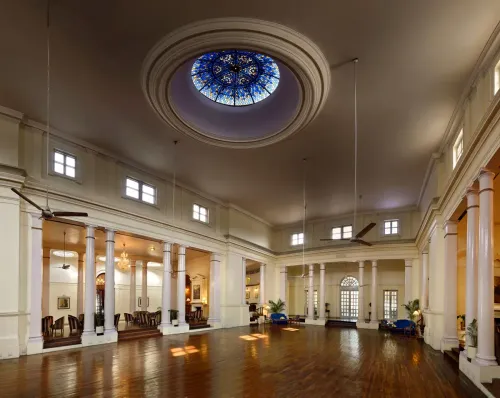
Established in 1913 during the colonial era, the Delhi Gymkhana Club is one of India's oldest and most exclusive social institutions, historically serving senior bureaucrats, diplomats, military officials, and influential citizens.
What Happens Next
With courts at multiple levels declining to intervene, the Centre's repossession drive in Lutyens' Delhi appears to be advancing on firm legal ground. The IPA's legal options are narrowing, and the government's timeline for taking physical possession of the Jaipur Polo Ground remains to be formally announced. The broader pattern — reclaiming leased land in high-security zones near critical government infrastructure — signals a wider policy push that could affect other long-standing institutional tenants in central Delhi.
Point of View
Cite defence or public security needs, and let the courts do the rest. With three successive courts declining to intervene, the government has effectively neutralised the IPA's legal resistance before physical possession even begins. What is less clear is whether 'defence-related functions' is a precise operational requirement or a broad catch-all that conveniently unlocks prime real estate in the Capital's most coveted security corridor. The Gymkhana precedent — where the Solicitor General personally assured no forcible eviction — suggests the Centre is managing optics carefully. But the underlying direction is unmistakable: institutional tenants on government land in Lutyens' Delhi are on borrowed time.
NationPress
20 Sept 2026
Frequently Asked Questions
Why has the Centre issued a notice at the Jaipur Polo Ground?
The Ministry of Housing and Urban Affairs posted the notice on 13 June to formally declare the over 15-acre land as government property. The Centre says it needs the ground to organise important governmental and defence-related functions in the area.
What did the court decide on the IPA's plea?
On 12 June, Patiala House Court Vacation Judge Dhirendra Rana refused to stay the eviction order against the Indian Polo Association, noting that both the Principal District and Sessions Judge and the Delhi High Court had already denied similar relief. The Delhi High Court had disposed of the IPA's writ petition on 8 June without granting any ad-interim protection.
What is the Delhi Gymkhana Club connection?
Last month, MoHUA issued a similar repossession notice to the Delhi Gymkhana Club for its 27.3-acre property at 2, Safdarjung Road, citing defence infrastructure needs. The Delhi High Court declined to grant the Club interim relief, though Solicitor General Tushar Mehta assured that no forcible eviction would occur without due process.
Who currently manages the Jaipur Polo Ground?
The Indian Polo Association (IPA) manages the Jaipur Polo Ground and has been contesting the government's eviction order through multiple courts, so far without success.
What legal clause is the government using to reclaim the land?
In the Delhi Gymkhana case, the government invoked Clause 4 of the perpetual lease deed, which allows the lessor to re-enter premises if required for a public purpose. A similar legal basis is understood to underpin the Jaipur Polo Ground action, according to reports.