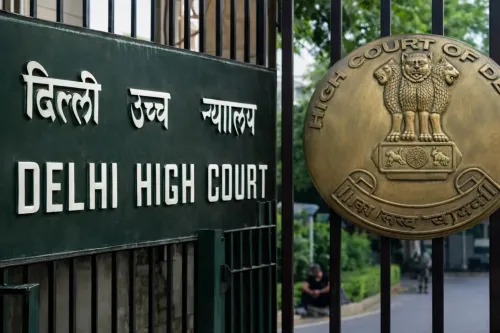
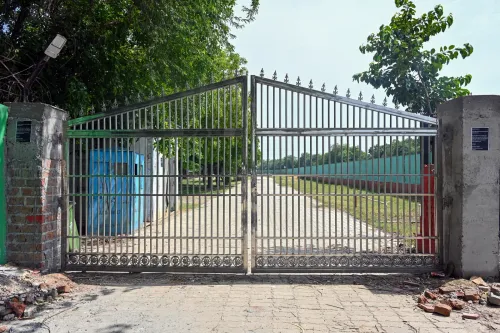
Delhi HC refuses stay on Centre's Gymkhana Club takeover bid, issues summons
Synopsis
The Delhi High Court has refused to shield the Delhi Gymkhana Club from the Centre's takeover notice, relying on a Solicitor General's assurance of no forcible eviction before June 5. With Kapil Sibal challenging the constitutional validity of the colonial-era lease clause invoked, the real battle — over what counts as 'public purpose' under Article 300A — is just beginning.
Key Takeaways
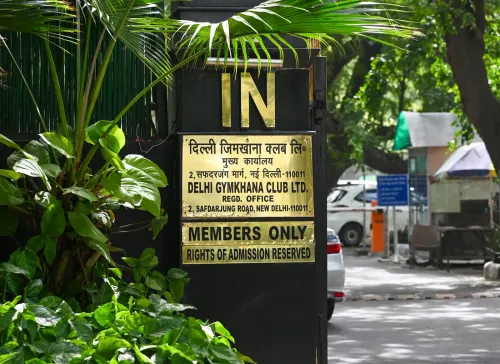
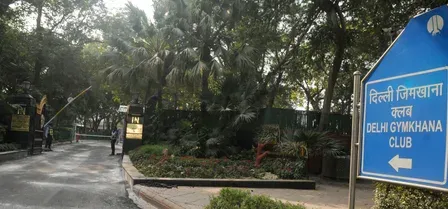
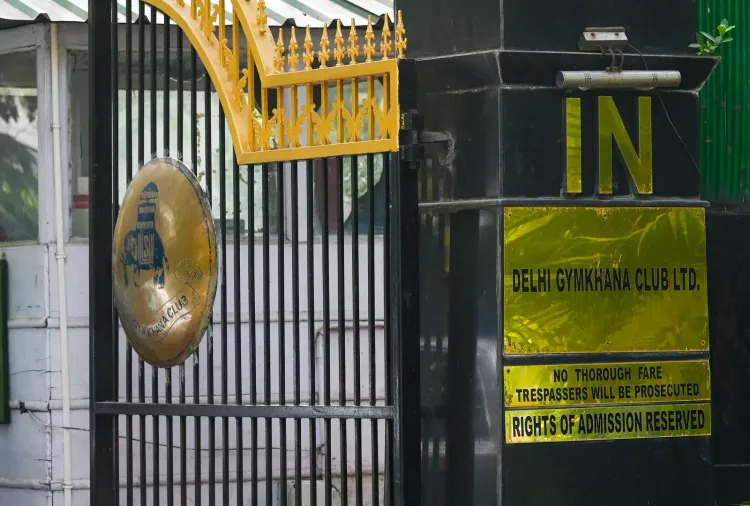
The Delhi High Court on 26 May refused to stay the Centre's notice to reclaim the Delhi Gymkhana Club 's 27.3-acre premises at 2, Safdarjung Road .
Solicitor General Tushar Mehta assured the court that no forcible eviction would occur and due process would be followed even if the club does not vacate by June 5 .
The Centre invoked Clause 4 of the perpetual lease deed, citing the property's need for 'Defence infrastructure and vital public security purposes.' Senior advocate Kapil Sibal challenged the constitutional validity of Clause 4 under Article 300A , arguing no concrete 'public purpose' was disclosed.
The court issued summons in two civil suits and gave the Centre eight weeks to file its written statement.
The NCLT had earlier ordered appointment of 15 nominees to the club's governing body over alleged mismanagement, upheld by the NCLAT .
The Delhi High Court on Tuesday, 26 May declined to grant interim relief against the Union government's move to reclaim possession of the Delhi Gymkhana Club premises on Safdarjung Road in Lutyens' Delhi, even as it issued summons in two civil suits filed by a club member and the club's Staff Welfare Association. The court granted the Centre eight weeks to file its written statement.
What the Court Decided
A single-judge Bench of Justice Avneesh Jhingan refused to stay the Centre's communication after Solicitor General Tushar Mehta assured the court that no forcible eviction would take place and that any action would follow due process with prior notice. Justice Jhingan observed that 'as of now, there is nothing on record to substantiate that action under the Public Premises (Eviction of Unauthorised Occupants) Act has been taken,' adding that plaintiffs would remain free to seek remedies if the situation changed.
Recording SG Mehta's assurance, the court concluded that 'no further interim directions are called for' and made clear that any eviction, if it were to occur, could not be carried out forcibly.
Centre's Position and the June 5 Deadline
The Union government, through the Land and Development Office (L&DO), had last week issued a notice stating that the 27.3-acre property at 2, Safdarjung Road was 'critically required for the strengthening and securing of Defence infrastructure and other vital public security purposes.' The notice invoked Clause 4 of the perpetual lease deed, which reserves the lessor's right to re-enter the premises if required for a public purpose.
SG Mehta told the court there was 'no question of forceful eviction' and that the Centre had only directed a 'peaceful handover of possession.' He assured the bench that even if the club did not vacate voluntarily by June 5, possession would not be seized without following due process under law.
Arguments Raised by Club's Counsel
Senior advocate Kapil Sibal, appearing for one of the petitioners, argued that even an unauthorised occupant could not be evicted without notice, and contended that the Centre was attempting to invoke Clause 4 of the colonial-era perpetual lease deed to take over possession without disclosing any concrete 'public purpose.' Sibal further submitted that the validity of Clause 4 itself would need to be tested against the Constitution and Article 300A, which protects the right to property.
Concerns were also raised during the hearing that Centre-appointed nominees running the club might act in concert with the government to facilitate the handover. The court, however, noted that such apprehensions appeared contrary to the club's own position, given that its governing committee had already approached authorities to raise grievances against the lease termination.
Background: NCLT Proceedings and Club History
The Delhi High Court recorded that the dispute has a long history of litigation, including proceedings before the National Company Law Tribunal (NCLT) over alleged mismanagement of the club by its governing body. The NCLT had earlier ordered the appointment of 15 nominees to the governing body, a decision subsequently upheld by the National Company Law Appellate Tribunal (NCLAT).
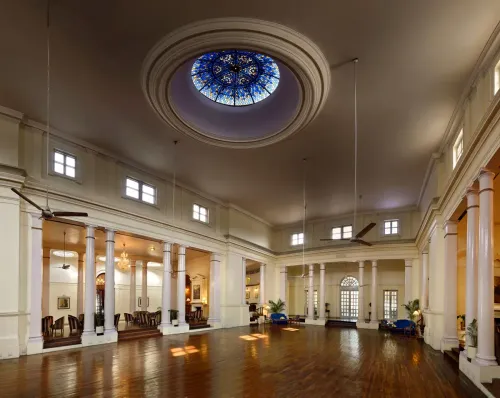
Established in 1913 during the colonial era, the Delhi Gymkhana Club is among the country's oldest and most prestigious social institutions, historically serving as a gathering point for senior bureaucrats, diplomats, and military officials. Its current premises, developed in the early 1930s, were designed by architect Robert T. Russell — who also designed Connaught Place and the erstwhile Commander-in-Chief's residence, later known as Teen Murti House. The club reportedly has around 5,600 permanent members, with some applicants said to have waited decades for membership.
What Happens Next
The Centre has eight weeks to file its written statement in response to the two civil suits. The constitutional validity of Clause 4 of the perpetual lease deed — and whether the invocation of 'public purpose' meets the bar set by Article 300A — is likely to form the crux of the legal contest ahead. The June 5 voluntary-vacation deadline looms as the immediate pressure point.
Point of View
But conflating governance reform with physical possession creates a precedent that other lease-holders on government land would watch with concern. The June 5 deadline, now effectively softened by the SG's assurance, will test whether the Centre's urgency is genuine or tactical.
NationPress
25 Sept 2026
Frequently Asked Questions
Why did the Delhi High Court refuse to stay the Centre's order on the Delhi Gymkhana Club?
The Delhi High Court declined to grant interim relief because Solicitor General Tushar Mehta assured the court that no forcible eviction would take place and that all action would follow due process with prior notice. Justice Avneesh Jhingan noted there was no evidence on record that action under the Public Premises (Eviction of Unauthorised Occupants) Act had yet been taken.
What is Clause 4 of the Gymkhana Club's lease deed and why is it contested?
Clause 4 of the perpetual lease deed reserves the lessor's — in this case the Centre's — right to re-enter the premises if required for a public purpose. Senior advocate Kapil Sibal has challenged its validity, arguing the Centre has not disclosed a concrete 'public purpose' and that the clause must be tested against Article 300A of the Constitution, which protects the right to property.
What is the June 5 deadline in the Gymkhana Club case?
The Centre's notice, issued through the Land and Development Office, had indicated that the club should hand over possession of the 27.3-acre Safdarjung Road property. Solicitor General Mehta told the court that even if the club does not vacate voluntarily by June 5, possession will not be seized without following due legal process.
What is the background of the Centre's dispute with the Delhi Gymkhana Club?
The dispute has a long litigation history, including National Company Law Tribunal proceedings over alleged mismanagement by the club's governing body. The NCLT ordered the appointment of 15 nominees to the governing body, a decision upheld by the NCLAT. Last week, the Centre separately invoked the lease deed to claim the property is needed for Defence infrastructure and public security purposes.
Who are the parties that have filed suits against the Centre's move?
Two civil suits have been filed — one by an individual club member and another by the club's Staff Welfare Association. The Delhi High Court has issued summons in both suits and granted the Centre eight weeks to file its written statement in response.