Delhi liquor shop robbery: Robbers shoot, stab staff; caught in 24 hours
Synopsis
A UPI transaction for two beer bottles — made hours before the crime — became the key that unlocked a brazen armed robbery at a Paharganj liquor shop. Delhi Police used that digital trail alongside CCTV footage to chase down and arrest both suspects within 24 hours, in a case that shows how cashless payments are reshaping urban crime investigation.
Key Takeaways
Two armed robbers attacked a government-run liquor shop in Paharganj, New Delhi on the night of 24 May .
One accused fired four rounds — one bullet struck a salesman; the other accused stabbed a second staff member with a knife.
The robbers stole a wallet containing approximately ₹1,500 cash, an Aadhaar Card, and a Voter ID Card.
A UPI payment made by one accused at the same shop at 9:00 PM earlier that evening became the critical investigative lead.
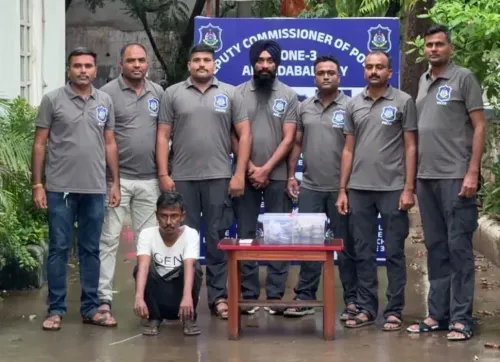
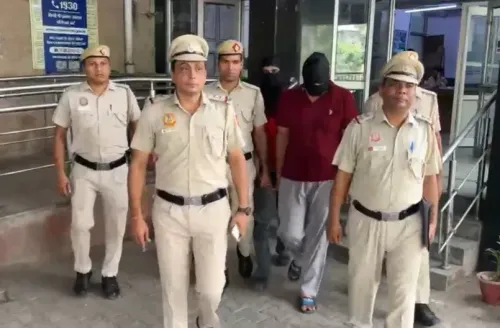
Both suspects were identified via CCTV footage and arrested in the Sahibabad area within 24 hours of the incident.
Both injured salesmen are hospitalised and receiving treatment; FSL teams collected forensic evidence from the scene.
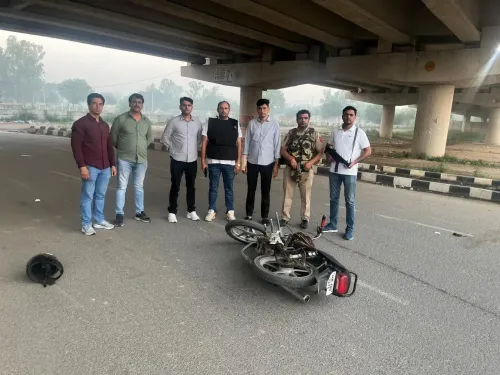
Two armed robbers who shot and stabbed staff at a government-run liquor shop in Paharganj, New Delhi, on the night of 24 May were apprehended by Delhi Police within 24 hours in a dramatic motorcycle chase through the Sahibabad area. The near-fatal attack left two salesmen hospitalised, but the swift police response — aided by CCTV footage and a crucial UPI payment trail — led to both suspects being nabbed before the following night.
How the Attack Unfolded
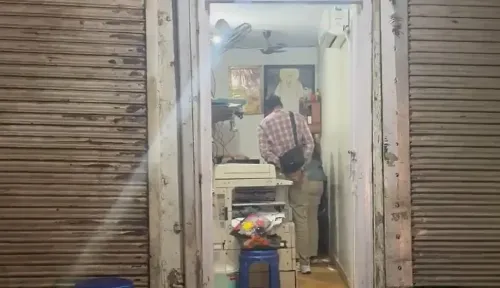
According to investigators, both accused entered the liquor shop in Paharganj — a busy commercial hub in central Delhi — with the intent to rob. One accused fired four rounds from a firearm; three bullets misfired, but one struck a salesman. The second accused simultaneously attacked another salesman with a knife, inflicting stab injuries.
The robbers managed to snatch a wallet belonging to a third salesman containing approximately ₹1,500 in cash, an Aadhaar Card, a Voter ID Card, and other documents. However, when shop staff confronted the attackers, the duo fled the scene. A Delhi Police beat constable's timely intervention is credited with thwarting a more extensive looting attempt.
The Digital Trail That Cracked the Case
Forensic and crime scene teams were deployed immediately after the incident. Scrutiny of CCTV recordings proved decisive: one suspect was seen wearing an orange Swiggy T-shirt and a helmet; the other wore a black T-shirt and a helmet. Footage tracked their movement toward the Nabi Karim area after fleeing the shop.
Notably, investigators found that one of the accused had visited the same shop earlier that evening at around 9:00 PM and purchased two beer bottles via UPI. That digital payment record became the pivotal lead in identifying and locating both suspects — a reminder of how cashless transactions can cut both ways.
Arrest and Police Response
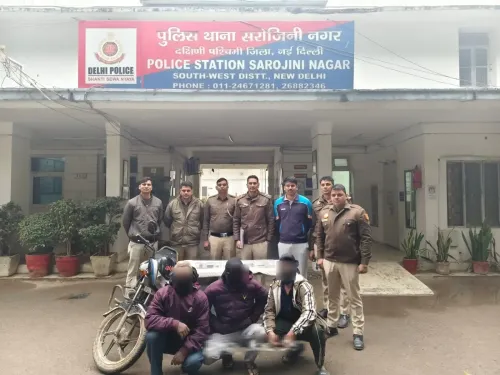
Multiple special teams were formed within hours of the incident. Acting on the CCTV and UPI leads, police launched a motorcycle chase in the Sahibabad area and apprehended both accused in under 24 hours. The Forensic Science Laboratory (FSL) team also collected evidence from the crime scene to support prosecution.
Both injured salesmen were admitted to a nearby hospital, where they are receiving treatment, according to officials.
What Comes Next
The two accused are in police custody and further investigation is ongoing. Charges related to attempted murder, robbery, and illegal use of firearms are expected to be filed. The case underscores growing concerns about security at government-run retail outlets in high-footfall urban areas — and how digital forensics are increasingly central to rapid crime resolution in Indian cities.
Point of View
However, is a quieter concern: government-run liquor outlets in dense urban markets remain soft targets, often understaffed and under-secured. The speed of the arrest is commendable; the question of prevention is less flattering.
NationPress
26 Sept 2026
Frequently Asked Questions
What happened at the Paharganj liquor shop in Delhi?
Two armed men attempted to rob a government-run liquor shop in Paharganj, New Delhi, on the night of 24 May. One suspect fired four rounds — injuring a salesman — while the other stabbed a second staff member. The robbers fled after shop staff confronted them, having stolen a wallet with approximately ₹1,500.
How did Delhi Police catch the robbers so quickly?
Delhi Police identified the suspects through CCTV footage and a UPI payment record: one accused had bought two beer bottles at the same shop at around 9:00 PM that evening, leaving a traceable digital trail. Multiple police teams then tracked and arrested both suspects in the Sahibabad area within 24 hours.
Were the injured liquor shop staff seriously hurt?
Both injured salesmen — one shot and one stabbed — were admitted to a nearby hospital and are undergoing treatment, according to officials. Their conditions have not been described as life-threatening in available reports.
What did the robbers steal from the liquor shop?
The robbers stole a wallet belonging to one of the salesmen containing approximately ₹1,500 in cash, an Aadhaar Card, a Voter ID Card, and other documents. The primary robbery of the shop's cash was foiled when staff resisted and a police beat constable intervened.
What charges are the accused likely to face?
The two accused are in police custody and are expected to face charges related to attempted murder, armed robbery, and illegal use of firearms, based on the nature of the attack. Investigation is ongoing and an FSL team has collected forensic evidence from the scene.