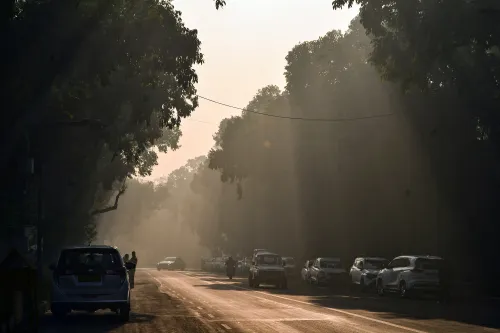
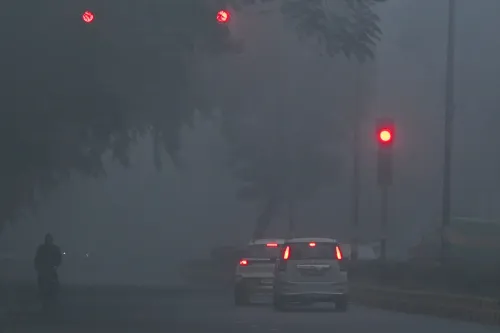
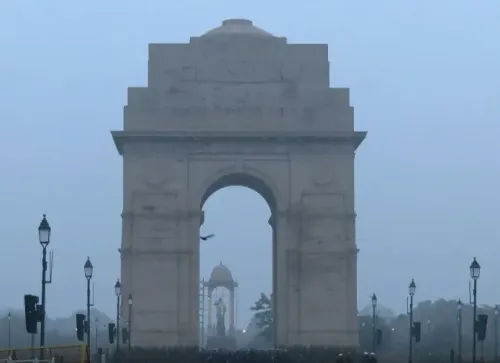
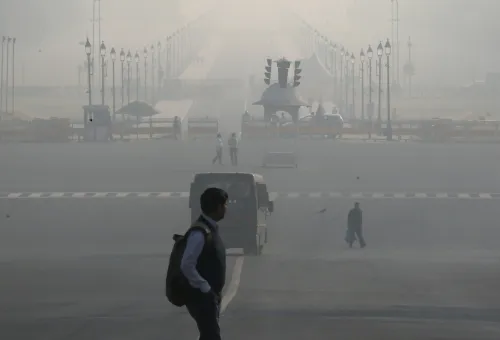
Delhi-NCR air quality turns poor as GRAP-I enforced; Chandni Chowk AQI hits 306
Synopsis
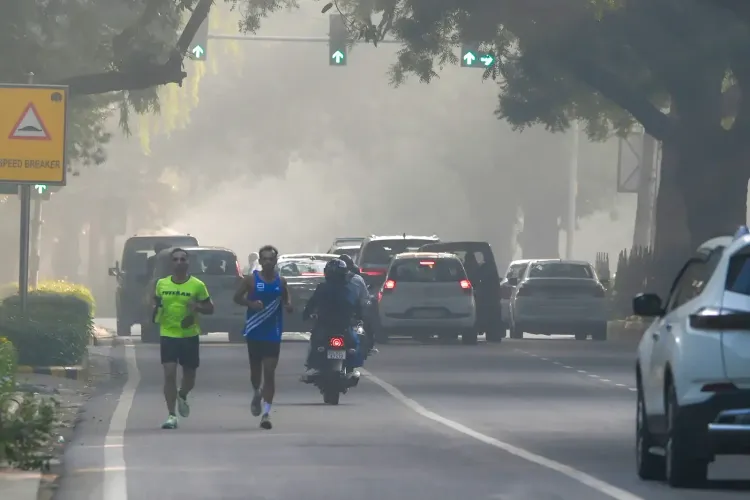
Delhi-NCR's air has turned poor just days before the capital's Winter Action Plan kicks in — and Chandni Chowk's AQI of 306 signals this season could deteriorate fast. With GRAP Stage I already active, 20 extra Metro trips running, and IMD forecasting no relief soon, the question is whether Stage II is days away.
Key Takeaways
CAQM invoked GRAP Stage I on 21 October after Delhi's overall AQI climbed to 244 , up from 179 the previous day.
Chandni Chowk recorded the worst reading at AQI 306 , in the very poor category; multiple stations logged poor-category readings above 200 .
Stage I bans coal and firewood in tandoors and restricts diesel generator sets across Delhi, Haryana, Uttar Pradesh, and Rajasthan.
Delhi Metro (DMRC) will run 20 additional train trips on weekdays from 22 October to reduce vehicle load.
Delhi's Winter Action Plan takes effect from 1 November , including 'No PUC, No Fuel' enforcement and BS-VI entry restrictions for non-Delhi vehicles.
IMD and IITM forecasts indicate pollution levels are likely to remain elevated over the next few days.
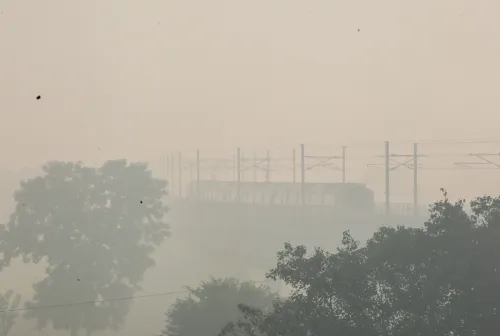
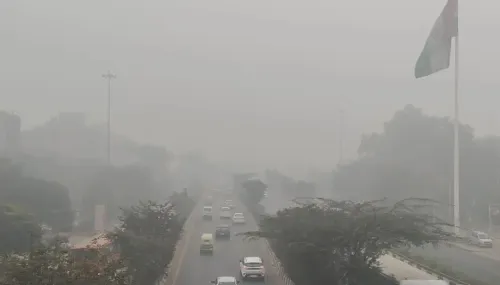
Delhi-NCR's air quality deteriorated to the poor category on Thursday, 22 October 2026, with several monitoring stations recording elevated pollution levels and at least one area — Chandni Chowk — crossing into the very poor bracket with an Air Quality Index (AQI) of 306. The Commission for Air Quality Management (CAQM) responded by invoking Stage I of the Graded Response Action Plan (GRAP) across the National Capital Region, even as residents experienced a noticeable morning and evening chill.
Where Pollution Was Worst
According to air quality monitoring data, Chandni Chowk led the list with an AQI of 306, placing it firmly in the very poor category. Several other stations recorded poor-category readings: Mandir Marg and Punjabi Bagh both stood at 279, Sirifort at 277, Dwarka Sector 8 at 275, and Alipur at 272.
Further stations in the poor range included NSUT Jaffarpur (263), NIH Narela (259), Pusa (256), Burari Crossing (226), IGI Airport Terminal 3 (213), and Vasundhara Enclave (206). Comparatively lower but still moderate readings were logged at Anand Vihar (236), North Campus, Delhi University (240), Karala (188), Uttam Nagar (170), Burari (190), Chhawla (146), Badarpur (141), Maidan Garhi (132), and IMD Lodhi Road (147).
According to the Central Pollution Control Board (CPCB), an AQI of 201–300 is classified as poor, 301–400 as very poor, and 401–500 as severe. Delhi's overall AQI climbed to 244 at 2 pm on 21 October, up sharply from 179 a day earlier, when air quality was in the moderate category.
GRAP Stage I: What It Restricts
The CAQM invoked Stage I of GRAP on Wednesday, 21 October, after Delhi's AQI crossed into the poor zone. The measures ban the use of coal and firewood in tandoors at hotels, restaurants, and open eateries, and impose curbs on diesel generator sets. The CAQM's GRAP sub-committee has directed authorities across Delhi, and the adjoining areas of Haryana, Uttar Pradesh, and Rajasthan, to implement restrictions immediately and maintain close surveillance.
Residents have also been advised to follow the citizen charter issued under Stage I. Authorities have indicated they will continue monitoring pollution levels and weather forecasts before deciding whether to escalate to higher GRAP stages. Forecasts by the India Meteorological Department (IMD) and the Indian Institute of Tropical Meteorology (IITM) suggest pollution levels are likely to remain elevated over the coming days.
Winter Action Plan and Upcoming Restrictions
The current GRAP measures are a precursor to Delhi's broader Winter Action Plan, scheduled to take effect from 1 November. Key proposals under the plan include a 'No PUC, No Fuel' policy — under which vehicles without valid Pollution Under Control (PUC) certificates will be denied fuel — and entry restrictions on non-Delhi-registered vehicles that do not comply with BS-VI emission standards.
Additional measures include 50 per cent work-from-home directives, curbs on construction activities, stricter dust-control monitoring, and expanded mechanised road sweeping. The plan targets vehicular emissions, construction dust, and industrial pollution — the primary drivers of Delhi-NCR's seasonal air quality crisis.
DMRC Steps Up Services and Dust Control
In a coordinated response, the Delhi Metro Rail Corporation (DMRC) announced 20 additional train trips on weekdays starting 22 October, aiming to draw commuters away from private vehicles following the GRAP Stage I trigger. The DMRC has also pledged to intensify dust-control efforts at its construction sites and on adjoining roads, including clearing garbage from footpaths and cleaning road medians.
This is the first GRAP activation of the 2026–27 winter season, arriving slightly earlier than last year's timeline — a pattern that climate and public health researchers have flagged as consistent with the trend of earlier-onset pollution peaks in the capital. With Stage II, III, and IV thresholds still ahead, how quickly the Centre and state authorities enforce Stage I will be closely watched.
Point of View
Harder onset each year, yet the policy response remains largely reactive rather than preventive. The gap between Stage I invocation and the Winter Action Plan's 1 November start date is a structural blind spot: enforcement machinery is not yet fully deployed when air quality first crosses the threshold. The 'No PUC, No Fuel' and BS-VI entry restriction proposals are long-overdue supply-side curbs, but their impact depends entirely on implementation rigour — something Delhi's pollution governance has historically struggled with. If Stage II is triggered before the Winter Action Plan even begins, the city will again be playing catch-up with its own calendar.
NationPress
22 Oct 2026
Frequently Asked Questions
What is GRAP Stage I and what does it restrict in Delhi-NCR?
GRAP Stage I is the first level of the Graded Response Action Plan, invoked when Delhi's AQI enters the poor category (201–300). It bans the use of coal and firewood in tandoors at hotels, restaurants, and open eateries, and curbs the use of diesel generator sets across Delhi and adjoining areas of Haryana, Uttar Pradesh, and Rajasthan.
Why was GRAP Stage I invoked in Delhi on 21 October 2026?
The CAQM triggered Stage I after Delhi's overall AQI rose sharply to 244 at 2 pm on 21 October, up from 179 the previous day, moving from the moderate to the poor category. IMD and IITM forecasts also indicated pollution levels were likely to remain elevated, prompting pre-emptive enforcement.
Which areas in Delhi-NCR recorded the worst air quality on 22 October?
Chandni Chowk recorded the highest AQI at 306, placing it in the very poor category. Mandir Marg and Punjabi Bagh (both 279), Sirifort (277), Dwarka Sector 8 (275), and Alipur (272) were among the most polluted stations in the poor category.
What is Delhi's Winter Action Plan and when does it start?
Delhi's Winter Action Plan is a seasonal anti-pollution framework scheduled to take effect from 1 November 2026. Key measures include the 'No PUC, No Fuel' policy for vehicles without valid Pollution Under Control certificates, entry restrictions on non-BS-VI non-Delhi vehicles, 50 per cent work-from-home directives, construction curbs, and expanded mechanised road sweeping.
How is Delhi Metro responding to GRAP Stage I?
The Delhi Metro Rail Corporation (DMRC) will operate 20 additional train trips on weekdays starting 22 October to encourage commuters to shift from private vehicles to public transport. The DMRC has also pledged to intensify dust-control measures at its construction sites and on adjoining roads.