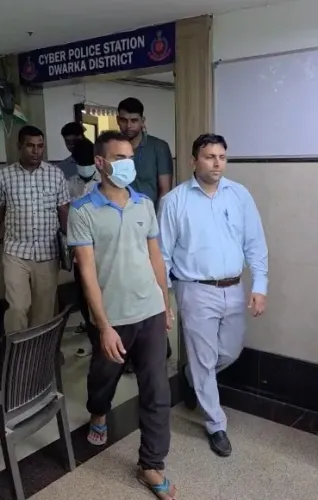
Delhi Police bust 'digital arrest' cyber fraud ring, 3 held from West Bengal
Synopsis
Delhi Police have cracked open more than a single scam — they have exposed the supply chain of a 'digital arrest' fraud network that spans two Indian states and reportedly reaches Thailand and Myanmar. The seizure of 18 cards, 15 SIMs, and six Aadhaar cards from three men with no prior records signals that organised cybercrime is increasingly recruiting clean profiles to launder money undetected.
Key Takeaways
Delhi Police arrested three men — Samiran Roy , Prince Shaw , and Samar Chatterjee — from West Bengal on 1 July 2026 .
The trio is accused of facilitating a 'digital arrest' scam in which a woman was defrauded of ₹7.22 lakh via RTGS .
Fraudsters impersonated Mumbai ATS , CBI , and senior IPS officers during continuous WhatsApp video calls.
Money was routed through a Bandhan Bank account before being layered across multiple accounts; digital evidence links the network to Thailand and Myanmar .
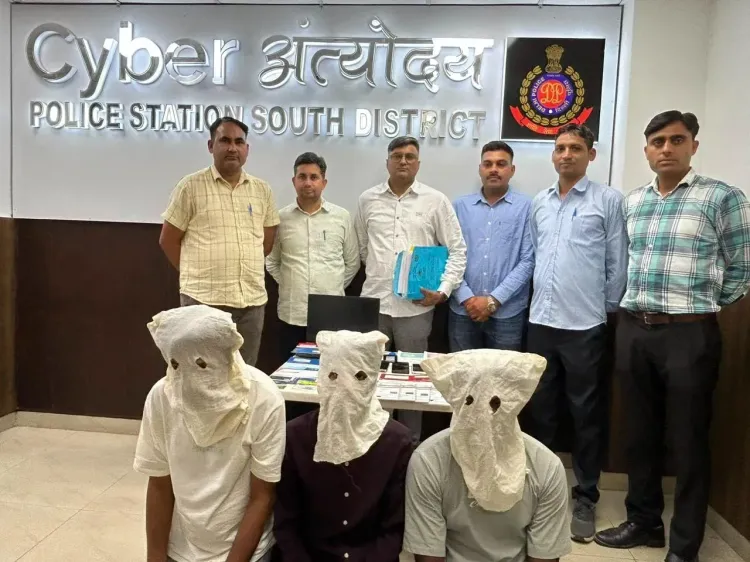
Police recovered 6 phones , 1 laptop , 18 debit/credit cards , 15 SIM cards , 7 cheque books , 2 rubber stamps , and 6 Aadhaar cards .
Further investigation is ongoing to trace additional members and international connections of the syndicate.
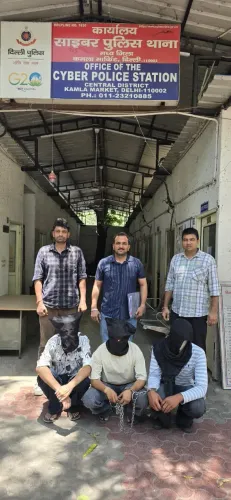
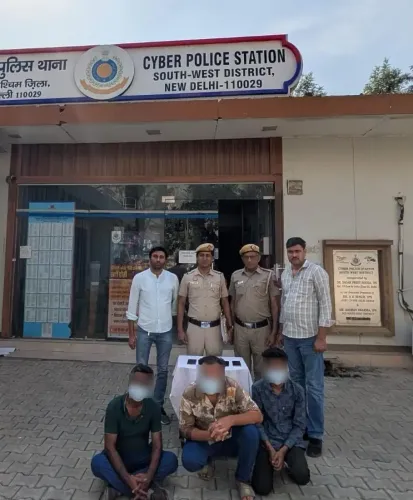
Delhi Police's Cyber Police Station in the South District has dismantled an organised 'digital arrest' cyber fraud syndicate, arresting three alleged members from West Bengal in connection with a ₹7.22 lakh online fraud case, officials confirmed on Wednesday, 1 July 2026. The operation exposed what investigators describe as the banking backbone of an interstate and international cybercrime network with links to Thailand and Myanmar.
Who Was Arrested
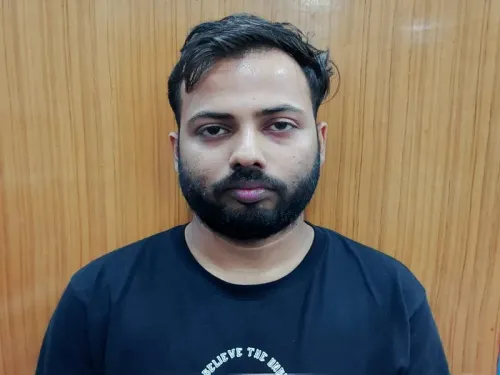
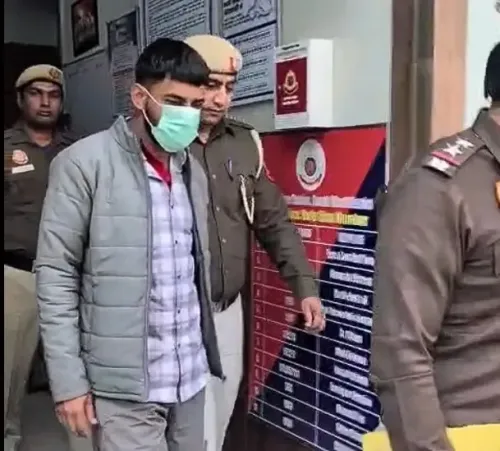
The three accused have been identified as Samiran Roy of South 24 Parganas, and Prince Shaw and Samar Chatterjee, both of Howrah. Police noted that none of the three has a prior criminal record. The arrests followed raids conducted across South 24 Parganas and Howrah after an extensive financial and technical investigation.
How the Scam Worked
The case originated from a complaint filed by a woman identified as 'M.S.', who alleged she was defrauded of ₹7.22 lakh through a 'digital arrest' scam. An e-FIR (No. 365/2026) was registered on 6 June 2026 at the Cyber Police Station, South District, under relevant provisions of the Bharatiya Nyaya Sanhita (BNS).
According to police, the fraudsters impersonated officials from the Mumbai Anti-Terrorism Squad (ATS), the Central Bureau of Investigation (CBI), and senior IPS officers. They allegedly kept the victim under continuous WhatsApp video calls, falsely claiming she was under investigation, and coerced her into transferring ₹7.22 lakh via RTGS.
Money Trail and International Links
Investigators found that the defrauded funds were initially routed into a Bandhan Bank account allegedly operated by Roy and Shaw, before being layered through multiple accounts to obscure the money trail. Technical analysis of digital evidence revealed connections to cyber fraudsters reportedly operating from Thailand and Myanmar.
The accused are alleged to have supplied mule bank accounts, SIM cards, and banking credentials to organised cybercriminals. The syndicate reportedly arranged accounts into which victims transferred money after being intimidated through fake 'digital arrest' calls — a tactic that has surged across India in recent years.
What Was Recovered
During the raids, police seized six mobile phones, one HP Victus laptop, 18 debit and credit cards, seven cheque books, 15 SIM cards, two rubber stamps, and six Aadhaar cards — physical infrastructure indicative of a well-organised mule network.
Investigating Team
The operation was led by Inspector Hansraj Swami, SHO of Cyber South Police Station, under the overall supervision of the ACP (Operations), South District. The field team comprised Sub-Inspector Udai Singh, Head Constables Vikas Kumar and Praveen Kumar, and Constables Praveen Joon, Sultan, and Subhash.
Further investigation is underway to identify additional syndicate members, trace proceeds of crime, and unravel the network's interstate and international connections, police said.
Point of View
Supplying mule accounts and SIM cards on demand. That clean-record profile is itself a red flag: organised syndicates are deliberately recruiting first-timers to stay below law enforcement radar. The real investigation begins now — not with the three arrested, but with the Thailand and Myanmar nodes that remain untouched. Until those upstream operators face accountability, dismantling local mule networks will remain a game of whack-a-mole.
NationPress
29 Sept 2026
Frequently Asked Questions
What is a 'digital arrest' scam?
A 'digital arrest' scam is a form of cyber fraud in which criminals impersonate law enforcement or government officials — such as CBI or ATS officers — and place victims under prolonged video calls, falsely claiming they are under investigation. Victims are then coerced into transferring large sums of money to avoid fabricated legal consequences.
Who were the three men arrested by Delhi Police?
The three accused are Samiran Roy of South 24 Parganas and Prince Shaw and Samar Chatterjee , both of Howrah, West Bengal. Police said none of them has a prior criminal record. They were arrested during raids in South 24 Parganas and Howrah.
How much money was lost in this fraud case?
The victim, identified as 'M.S.', was allegedly defrauded of ₹7.22 lakh via RTGS transfer after being kept under continuous WhatsApp video surveillance by fraudsters posing as Mumbai ATS and CBI officials.
What is the international angle in this case?
Technical analysis of digital evidence revealed links between the syndicate and cyber fraudsters reportedly operating from Thailand and Myanmar . Investigators believe the arrested men were supplying mule bank accounts and SIM cards to this broader international network.
What items were seized during the raids?
Police recovered six mobile phones, one HP Victus laptop, 18 debit and credit cards, seven cheque books, 15 SIM cards, two rubber stamps, and six Aadhaar cards — materials consistent with running a mule account and identity-supply operation.