Jantar Mantar protest: Delhi Police summon CJP leaders Saurav Das, Ashutosh Ranka

Synopsis
CJP leaders Saurav Das and Ashutosh Ranka, who spent a week in Tihar Jail after trespassing into the de-notified Jantar Mantar protest site on 13 October, have been summoned again by the Delhi Police Crime Branch — this time after skipping an earlier round of questioning. Their compliance today will test the limits of the undertakings they gave before a Special Executive Magistrate.
Key Takeaways
Delhi Police have summoned CJP leaders Saurav Das and Ashutosh Ranka for questioning on 5 November 2026 at the Crime Branch office in Rajouri Garden at noon.
The case relates to the 13 October incident when the two, along with Ajinkya Shinde and 11 others , allegedly trespassed into Jantar Mantar .
Both activists had skipped an earlier round of summons issued in October , seeking more time to appear.
Das and Ranka were released from Tihar Jail on 21 October after furnishing personal and surety bonds of ₹50,000 each and submitting written undertakings.
The protest was held against alleged irregularities in the Special Intensive Revision (SIR) of electoral rolls and targeted Chief Election Commissioner Gyanesh Kumar .
Citizens for Justice and Peace (CJP) leaders Saurav Das and Ashutosh Ranka have been summoned by the Delhi Police to appear for questioning on Thursday, 5 November 2026, in connection with the Jantar Mantar trespassing case. The two activists have been directed to present themselves before the Delhi Police Crime Branch office in Rajouri Garden at noon.
Background: The October 13 Incident
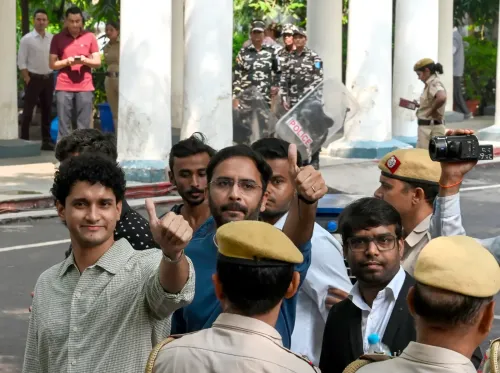
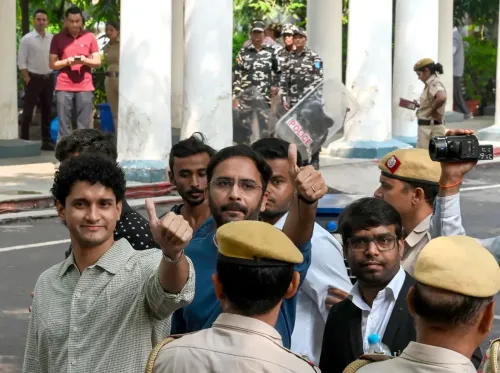
The summons stem from an incident on 13 October, when Das, Ranka, and fellow activist Ajinkya Shinde, along with 11 others, allegedly trespassed into Jantar Mantar — a site that has been de-notified as a designated protest location. All were detained by the Delhi Police. While Shinde was subsequently released on a bail bond, Das and Ranka remained in judicial custody for a week before being released on 21 October.
Earlier Summons Skipped
This is not the first time the two activists have been called in for questioning. The Delhi Police had issued summons in October as well, which Das and Ranka skipped, later seeking additional time to appear before the Crime Branch. The protest cases against the CJP leaders were formally transferred to the Crime Branch in October, escalating the scrutiny around the matter.
Release from Tihar and Undertakings Given
Das and Ranka were released from Tihar Jail on 21 October after spending a week in judicial custody. Their release followed the submission of written undertakings before a Special Executive Magistrate (SEM), in which both assured they would maintain peace and refrain from organising protests at Jantar Mantar until the site is formally de-notified in accordance with the law.
SEM Ritu Raj ordered the release after the two furnished personal bonds and surety bonds of ₹50,000 each, valid until the conclusion of the inquiry. The SEM court noted that the requirements under Section 135(3) of the Bharatiya Nagarik Suraksha Sanhita (BNSS) to prevent a breach of peace could be adequately secured through the bonds and undertakings. In their written statements, both activists pledged not to disturb public tranquillity and expressed full faith in the judiciary.
What the Protest Was About
The CJP members had been protesting against alleged irregularities in the Special Intensive Revision (SIR) of electoral rolls and had raised slogans against Chief Election Commissioner (CEC) Gyanesh Kumar. The protest drew attention to concerns about the electoral roll revision process, though the specific irregularities cited by the activists have not been independently verified.
What Happens Next
With the Crime Branch now handling the case, the latest summons on 5 November represent a fresh opportunity for investigators to record statements from the activists. Whether Das and Ranka comply this time will be closely watched, given their previous non-appearance. The outcome of the Crime Branch inquiry could have implications for how protest-related cases at de-notified sites are handled going forward.
Point of View
Historically the symbolic heartbeat of democratic protest in the capital. The de-notification of Jantar Mantar as a protest site remains contested, and the use of judicial custody bonds as a condition of release raises questions about proportionality when the underlying act was trespassing into a public monument. The protest's focus on electoral roll irregularities is substantively serious and deserves scrutiny independent of the law-and-order dimension — a distinction that mainstream coverage has tended to blur.
NationPress
5 Nov 2026
Frequently Asked Questions
Why have Saurav Das and Ashutosh Ranka been summoned by Delhi Police?
They have been summoned for questioning in connection with the Jantar Mantar trespassing case arising from an incident on 13 October, when they and 11 others allegedly entered Jantar Mantar, which has been de-notified as a designated protest site. The cases were transferred to the Delhi Police Crime Branch in October.
What happened to Das and Ranka after their arrest on 13 October?
Both were detained by the Delhi Police and subsequently placed in judicial custody for a week. They were released from Tihar Jail on 21 October after furnishing personal and surety bonds of ₹50,000 each and submitting written undertakings to maintain peace and not organise protests at Jantar Mantar.
Did Das and Ranka comply with the earlier Delhi Police summons?
No. The Delhi Police had issued summons in October, which Das and Ranka skipped. They later sought additional time to appear before the Crime Branch. The 5 November summons is a fresh call to appear for questioning.
What were the CJP activists protesting about at Jantar Mantar?
The CJP members were protesting against alleged irregularities in the Special Intensive Revision (SIR) of electoral rolls and raised slogans against Chief Election Commissioner Gyanesh Kumar. The specific irregularities cited by the activists have not been independently verified.
What is the significance of Jantar Mantar being de-notified as a protest site?
Jantar Mantar in New Delhi was historically the designated space for public demonstrations in the capital. Its de-notification means protests there are no longer legally sanctioned, making any gathering there a potential legal violation — the basis on which the trespassing case was registered against Das, Ranka, and others.